We're loading the full news article for you. This includes the article content, images, author information, and related articles.
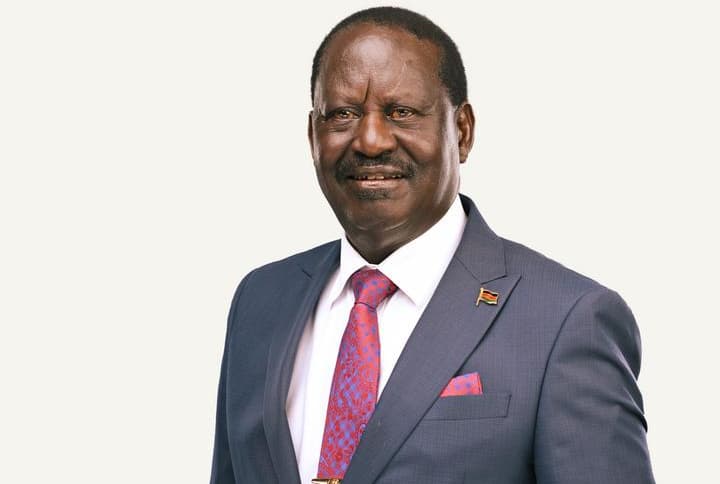
Recently, the opposition has been trying to smart out of the absence of the doyen of opposition politics Raila Odinga, by coming up with different formations to oppose President William Ruto.
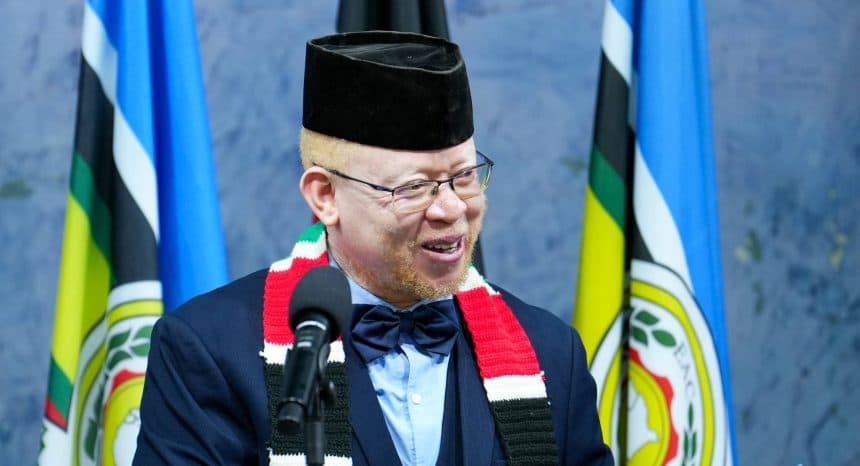
As the dust settles on recent political realignments, the opposition finds itself grappling with a severe strategic headache, while President William Ruto appears increasingly unassailable as he positions his administration for the 2027 electoral battle.
The political landscape in Kenya is undergoing a profound metamorphosis. With the traditional doyen of opposition politics, Raila Odinga, stepping back from the immediate domestic fray, a vacuum has emerged that fragmented factions are desperately trying to fill.
This matters immensely right now because the structural integrity of Kenya's democracy relies on a robust opposition. Instead, what is manifesting is a disjointed cacophony of voices, inadvertently granting the ruling Broad-Based Government an unfettered runway to consolidate power and reshape the nation's economic trajectory without rigorous oversight.
The current opposition is sharply divided into three distinct, often competing, ideological camps. The first comprises hardliners still smarting from recent parliamentary defeats and the failure of impeachment motions, who continuously pour vitriol on government initiatives regardless of their developmental merit. The second group consists of the remnants of the Azimio la Umoja coalition, left adrift after key Orange Democratic Movement (ODM) stalwarts were absorbed into President Ruto's Broad-Based Government.
A third, more cynical faction includes political actors disgruntled by their exclusion from plum executive appointments. This lack of ideological cohesion is glaringly evident. Despite unveiling a unified spokesperson, the varied outfits continue to sing discordant tunes. Their public messaging is heavily reliant on the tired rhetoric of mass action rather than presenting viable alternative policy frameworks to the Kenyan electorate.
Citizens are increasingly questioning the track records of these opposition figures. Many have previously occupied senior dockets—ranging from interior and education to agriculture and foreign affairs—yet their tenure was marked by dismal performance and systemic stagnation. The pursuit of power appears to be an end in itself, devoid of a transformative agenda.
Conversely, the Kenya Kwanza administration, now operating as a Broad-Based Government, is meticulously executing its strategic blueprint. Taking the reins in September 2022, when the national economy was practically on life support, the administration has focused intensely on macroeconomic stabilization.
The government's strategy relies heavily on tangible deliverables enshrined in the BETA plan. A prime example is the rollout of the Social Health Authority (SHA), designed to shield vulnerable populations from medical poverty. Grassroots testimonies are beginning to validate this approach.
President Ruto's local touch, combined with a formidable international appeal, presents a daunting challenge for any prospective 2027 flag-bearer. His unparalleled energy and acute political calculus leave his detractors scrambling for a coherent counter-narrative.
The opposition's reliance on outdated tactics, particularly the threat of street demonstrations, is a risky gambit in a fatigue-ridden economic climate. Kenyans, burdened by the high cost of living, are increasingly intolerant of political posturing that disrupts daily commerce and threatens public security. When political leaders resort to unsubstantiated propaganda—such as recent inflammatory allegations in Kisii regarding assassination plots—they further erode their credibility.
The current administration is capitalizing on this strategic blunder. By delivering ubiquitous sparks of transformation across rural villages, the government is systematically dismantling the opposition's strongholds. The mundane realities of survival are being addressed through actionable policies, effectively neutralizing the emotional whipping and sympathy-seeking tactics historically employed by political dissidents.
"The era of blind political allegiance is rapidly expiring; the Kenyan voter of 2027 will demand to see the ledger of delivered promises, a ledger the current administration is aggressively filling," noted a prominent political analyst.
The shifting dynamics suggest that merely opposing the government is no longer a viable electoral strategy. If the fragmented opposition cannot articulate a compelling, alternative vision for Kenya's socio-economic future, they risk rendering themselves entirely obsolete in the face of a meticulously organized incumbent machinery.
Keep the conversation in one place—threads here stay linked to the story and in the forums.
Sign in to start a discussion
Start a conversation about this story and keep it linked here.
Other hot threads
E-sports and Gaming Community in Kenya
Active 9 months ago
The Role of Technology in Modern Agriculture (AgriTech)
Active 9 months ago
Popular Recreational Activities Across Counties
Active 9 months ago
Investing in Youth Sports Development Programs
Active 9 months ago
Key figures and persons of interest featured in this article