We're loading the full news article for you. This includes the article content, images, author information, and related articles.
The government issues a 30-day ultimatum to release stocks or face duty-free imports, as drought and speculation drive the cost of Kenya’s staple meal beyond reach.
The national plate is shrinking. In retail outlets across the country, the price of a 2kg packet of maize flour has quietly climbed from Sh120 to a punishing Sh160, pushing the country’s staple meal, Ugali, out of reach for millions of struggling households.
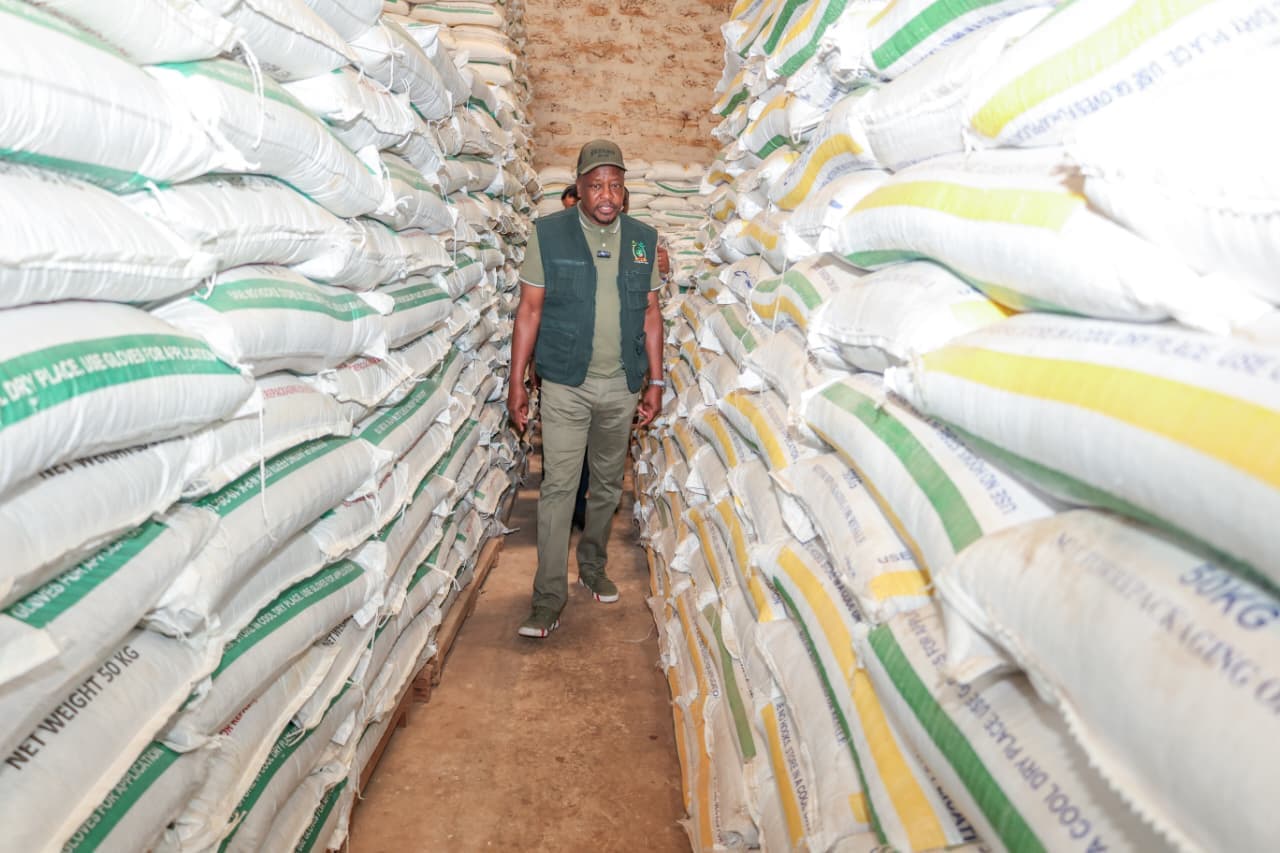
The cause is a perfect storm of drought, dwindling stocks, and ruthless market speculation. Maize stocks in the National Strategic Food Reserve are dangerously low, with only 186,000 bags delivered against an immediate target of 1.7 million. As the silos run empty, the government has been forced into a high-stakes standoff with millers and traders who are accused of hoarding grain to artificially inflate prices.
Cabinet Secretary for Agriculture Mutahi Kagwe has drawn a line in the sand. He issued a stern 30-day ultimatum to hoarders: release the maize to the market or face the consequences. "Food security is not optional; it is a national duty," Kagwe declared. The consequences are severe—if the local stocks do not materialize, the government will authorize duty-free imports to flood the market and crash the prices.
This move is a "last resort," but one that is looking increasingly inevitable. The shortage is exacerbated by emerging drought conditions in ten counties, including key production zones. Farmers in the North Rift, the country’s breadbasket, are holding onto their harvest, anticipating even higher prices as the dry spell bites. It is a game of chicken where the poor are the collateral damage.
For the average Kenyan, the macro-economics matter less than the micro-reality of the supermarket shelf. An extra Sh40 on unga is a meal skipped. It is school fees unpaid. It is a walk to work instead of a matatu ride.
As the 30-day clock ticks down, the government is racing to stabilize the ship. But until the rains fall or the ships dock at Mombasa, the price of Ugali will remain the most painful index of the nation`s economic health.
Keep the conversation in one place—threads here stay linked to the story and in the forums.
Sign in to start a discussion
Start a conversation about this story and keep it linked here.
Other hot threads
E-sports and Gaming Community in Kenya
Active 9 months ago
The Role of Technology in Modern Agriculture (AgriTech)
Active 9 months ago
Popular Recreational Activities Across Counties
Active 9 months ago
Investing in Youth Sports Development Programs
Active 9 months ago
Key figures and persons of interest featured in this article