We're loading the full news article for you. This includes the article content, images, author information, and related articles.
As the US circulates a draft UN resolution for a Gaza stabilization force, deep divisions over its mandate and leadership emerge, placing Kenya’s long-standing role in international peacekeeping in a global spotlight.
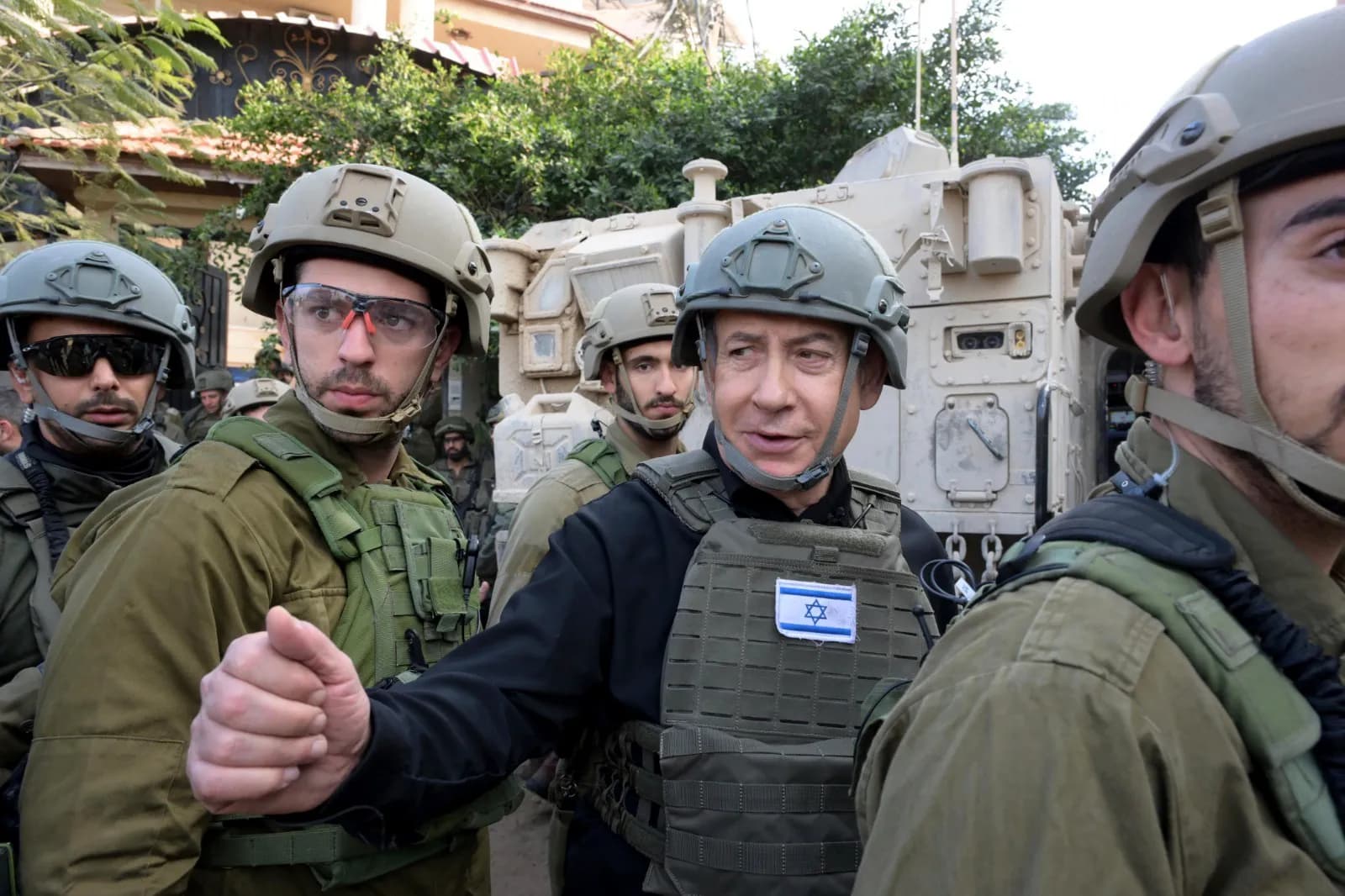
GLOBAL — A United States-drafted United Nations Security Council resolution proposing the creation of an international stabilization force for Gaza could be ready within weeks, but faces significant diplomatic hurdles over its mandate, leadership, and the conditions for an Israeli military withdrawal. The proposed body, termed an “International Security Force” (ISF), is envisioned as an enforcement mission rather than a traditional peacekeeping operation, with a potential two-year mandate to begin as early as January 2026.
The draft resolution, circulated among Security Council members, outlines a broad mandate for the force, including securing Gaza's borders with Israel and Egypt, protecting civilians, training a new Palestinian police force, and overseeing the complete demilitarization of the territory. However, the ambitious plan hinges on resolving contentious issues that have long stalled progress, including a potential leadership role for the U.S. military and whether a timetable for Israel's full withdrawal should be scheduled or be contingent on the disarmament of Hamas.
The complexities of assembling such a force were highlighted at a meeting of foreign ministers from Muslim-majority nations in Istanbul on Monday, 3rd November 2025. Hosted by Turkish Foreign Minister Hakan Fidan, the summit included representatives from Indonesia, Pakistan, Saudi Arabia, Jordan, the United Arab Emirates, and Qatar, with Egypt, a key regional player, being a notable absentee.
Minister Fidan stated that potential troop-contributing nations would make their decisions based on the precise mission defined in the UN resolution. “Countries will largely decide based on the mandate and authorities of the international stabilization force. I believe it would be difficult for them to send troops if the mandate conflicts with their own principles and policies,” Fidan announced at a press conference following the meeting. Turkey has expressed readiness to contribute troops, a proposal Israel has rejected due to Ankara's support for Hamas.
Jordan, meanwhile, has clarified it will not deploy troops into Gaza but has offered its extensive experience in training a vetted Palestinian police force to maintain internal law and order. King Abdullah II of Jordan emphasized a distinction between a “peacekeeping” role, which his country could support through training, and a “peace enforcing” mission, which it would not join.
While Kenya is not directly involved in the current negotiations, the debate has significant implications for its foreign policy and its reputation as a key contributor to global peace and security. On 17th July 2025, Prime Cabinet Secretary and Cabinet Secretary for Foreign and Diaspora Affairs, Musalia Mudavadi, confirmed that Kenya's support for a two-state solution is now enshrined in law, moving beyond diplomatic statements to a firm legal stance. President William Ruto has also consistently advocated for this solution and called for a permanent ceasefire.
Kenya has a long and distinguished history of participating in UN and African Union peacekeeping missions since the late 1980s, including deployments in South Sudan (UNMISS), Somalia (AMISOM), and Namibia. In May 2025, Defence Cabinet Secretary Soipan Tuya reaffirmed this commitment by pledging specialized units, including armed helicopter and surveillance capabilities, to the UN's readiness system. This established role, alongside its leadership of the Multinational Security Support (MSS) mission in Haiti, positions Kenya as an experienced and capable actor in international peace operations.
The African Union has taken a clear stance, with Commission Chairperson Moussa Faki Mahamat condemning the violence and backing South Africa's case against Israel at the International Court of Justice (ICJ). The continental body has called for a permanent ceasefire and urged Israel to comply with the ICJ's orders.
The diplomatic push comes against a backdrop of a fragile ceasefire that came into effect on 10th October 2025. The truce has been frequently tested, with the Gaza Ministry of Health reporting on Sunday, 2nd November 2025, that the death toll since the ceasefire began had reached 236, with 600 wounded. On Monday, 3rd November, the Red Cross facilitated an exchange where Israel handed over the bodies of 45 Palestinians, a day after Hamas returned the remains of three Israeli hostages, underscoring the grim realities on the ground. The urgency for a robust stabilization plan is underscored by these ongoing casualties and the immense humanitarian crisis in the territory.
Keep the conversation in one place—threads here stay linked to the story and in the forums.
Sign in to start a discussion
Start a conversation about this story and keep it linked here.
Other hot threads
E-sports and Gaming Community in Kenya
Active 10 months ago
The Role of Technology in Modern Agriculture (AgriTech)
Active 10 months ago
Popular Recreational Activities Across Counties
Active 10 months ago
Investing in Youth Sports Development Programs
Active 10 months ago
Key figures and persons of interest featured in this article