We're loading the full news article for you. This includes the article content, images, author information, and related articles.
The Philippine Supreme Court rules that same-sex couples can legally co-own property, a historic step for LGBTQ+ rights in the conservative Catholic nation.
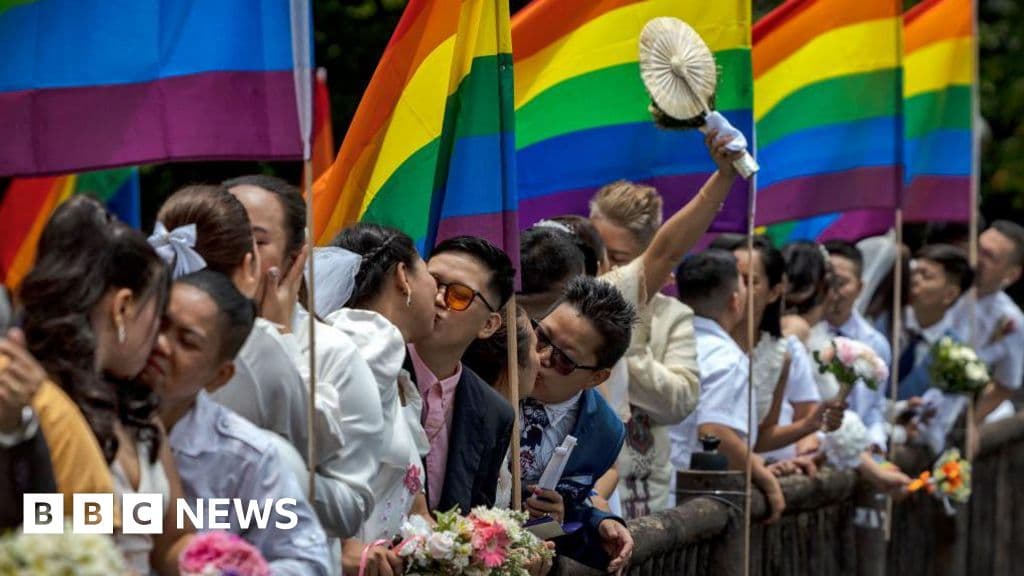
In a landmark ruling that chips away at centuries of conservative orthodoxy, the Philippine Supreme Court has delivered a victory for equality. The court has officially ruled that same-sex couples can be legally recognized as co-owners of property, a decision that offers a shield of legal protection to millions previously invisible to the law.
For a nation where the Catholic Church wields immense influence and divorce remains illegal, this verdict is nothing short of revolutionary. It bypasses the gridlocked debate on marriage equality and strikes directly at the practicalities of life: security, assets, and home. The court applied Article 147 of the Family Code, ruling that if two partners contribute to the acquisition of property, their union—regardless of gender—entitles them to equal ownership rights.
The case itself was a domestic drama turned legal precedent. Two women, former partners, feuded over a property in Manila. One tried to sell it; the other sued for her share. The lower courts dismissed the claim, blinded by the lack of a marriage certificate. The Supreme Court, however, chose to see the reality of the relationship. They recognized that love and partnership build assets, and those assets deserve protection.
"We cannot render legally invisible some forms of legitimate intimate relationships," wrote Associate Justice Marvic Leonen. These words will echo far beyond the courtroom. They signal a judicial willingness to adapt to modern social realities, even when the legislature lags behind. It is a recognition that a home built by two men or two women is still a home.
This ruling does not legalize gay marriage, but it validates gay lives. It acknowledges that same-sex couples exist, that they build futures together, and that the state has a duty to protect their investments. It is a pragmatic step towards equality, focusing on economic rights as a gateway to broader recognition.
For the LGBTQ+ community in the Philippines, today is a day of vindication. They may not yet have the right to walk down the aisle, but they now have the right to own the house they return to. In the slow march towards progress, this is a significant, irreversible stride forward.
Keep the conversation in one place—threads here stay linked to the story and in the forums.
Sign in to start a discussion
Start a conversation about this story and keep it linked here.
Other hot threads
E-sports and Gaming Community in Kenya
Active 10 months ago
The Role of Technology in Modern Agriculture (AgriTech)
Active 10 months ago
Popular Recreational Activities Across Counties
Active 10 months ago
Investing in Youth Sports Development Programs
Active 10 months ago



