We're loading the full news article for you. This includes the article content, images, author information, and related articles.
New agreement slashes automotive manufacturing rules and boosts exports, offering a masterclass in negotiation as Britain eyes KES 66 billion in fresh gains.

Britain has inked a revamped trade pact with South Korea, aiming to inject millions into its economy by significantly loosening the reins on automotive manufacturing rules and boosting iconic exports.
For Kenyan observers, the deal represents more than just foreign commerce; it signals a pivotal shift in how global powers are navigating the complex supply chains of electric vehicles. While the agreement targets exports to Seoul, the drastic reduction in "local content" requirements—allowing British cars to use more Chinese parts—sets a precedent that emerging manufacturing hubs in East Africa should study closely.
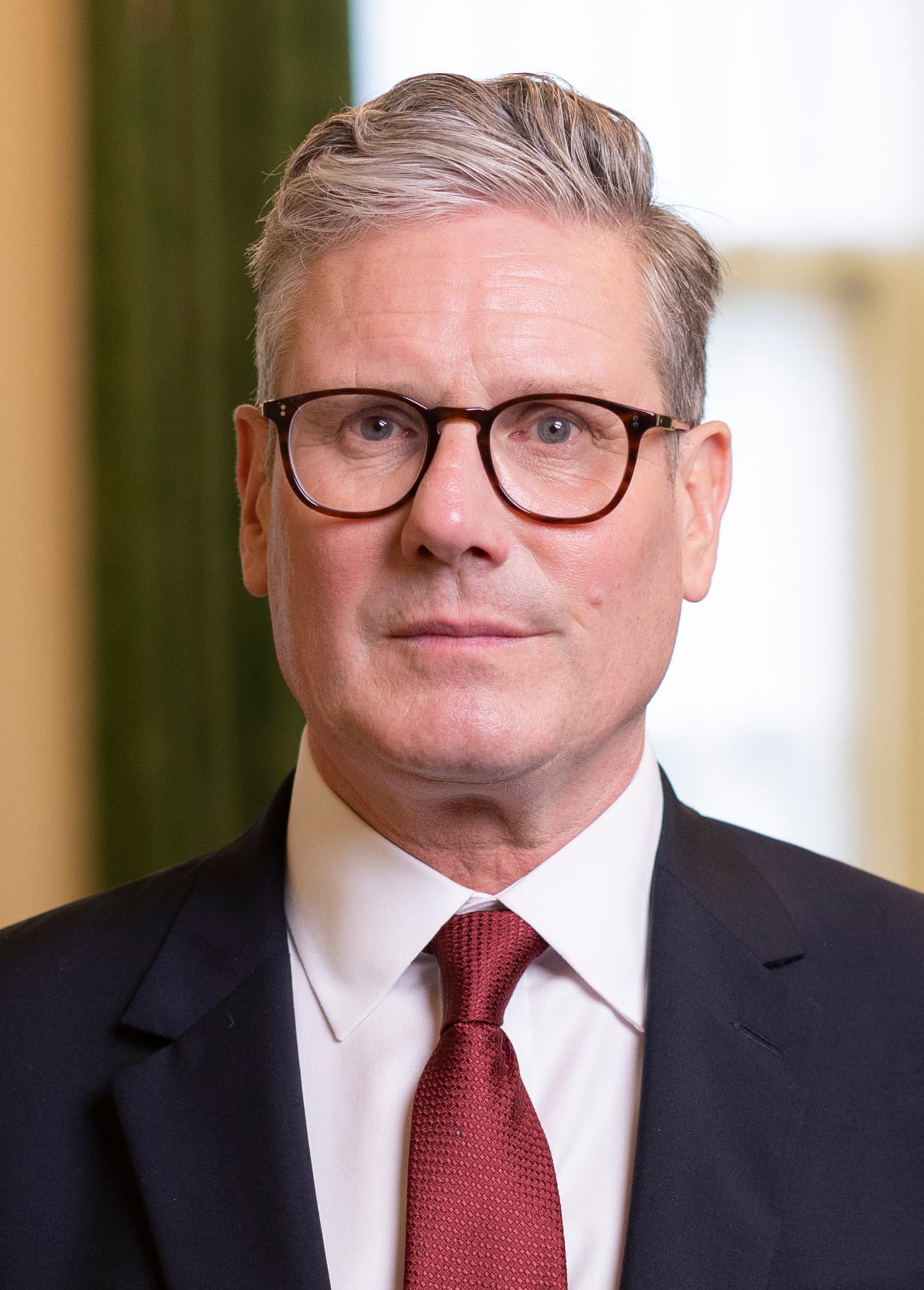
Prime Minister Keir Starmer described the arrangement as a "huge win for British business," replacing a post-Brexit framework established in 2019. The economic stakes are high, with existing trade between the two nations already valued at over £15 billion (approx. KES 2.48 trillion) annually.
The British government projects the new terms will generate an additional £400 million (approx. KES 66 billion) per year. The most significant structural change lies in the automotive sector, where negotiators have slashed the threshold for local parts required to qualify for zero tariffs.
The deal creates specific headwinds for luxury brands and fast-moving consumer goods, sectors that resonate with Kenya's own import markets. Richard Molyneux, chief finance officer at Jaguar Land Rover, welcomed the move, while Bentley Motors chief executive Frank-Steffen Walliser termed the continued access to the Korean market as "great news" for the luxury marque.
Beyond engines and batteries, the agreement secures the flow of soft power exports. Nik Jhangiani, interim chief executive of Diageo, noted the deal would "support export growth for Guinness." In a logistical nuance, Jhangiani clarified that while the stout is brewed in Dublin, the product destined for Korea is canned in Runcorn and Belfast, placing it firmly under the UK's trade umbrella.
This agreement follows a string of diplomatic maneuvers by the UK, including deals with India, the US, and the EU, as London aggressively recalibrates its position in the global economy.
Keep the conversation in one place—threads here stay linked to the story and in the forums.
Sign in to start a discussion
Start a conversation about this story and keep it linked here.
Other hot threads
E-sports and Gaming Community in Kenya
Active 10 months ago
Popular Recreational Activities Across Counties
Active 10 months ago
The Role of Technology in Modern Agriculture (AgriTech)
Active 10 months ago
Investing in Youth Sports Development Programs
Active 10 months ago
Key figures and persons of interest featured in this article