We're loading the full news article for you. This includes the article content, images, author information, and related articles.
New FBI files reveal Jeffrey Epstein planned to trade Nigerian oil in 2010 but backed off due to fears of being defrauded, exposing his reach into African markets.
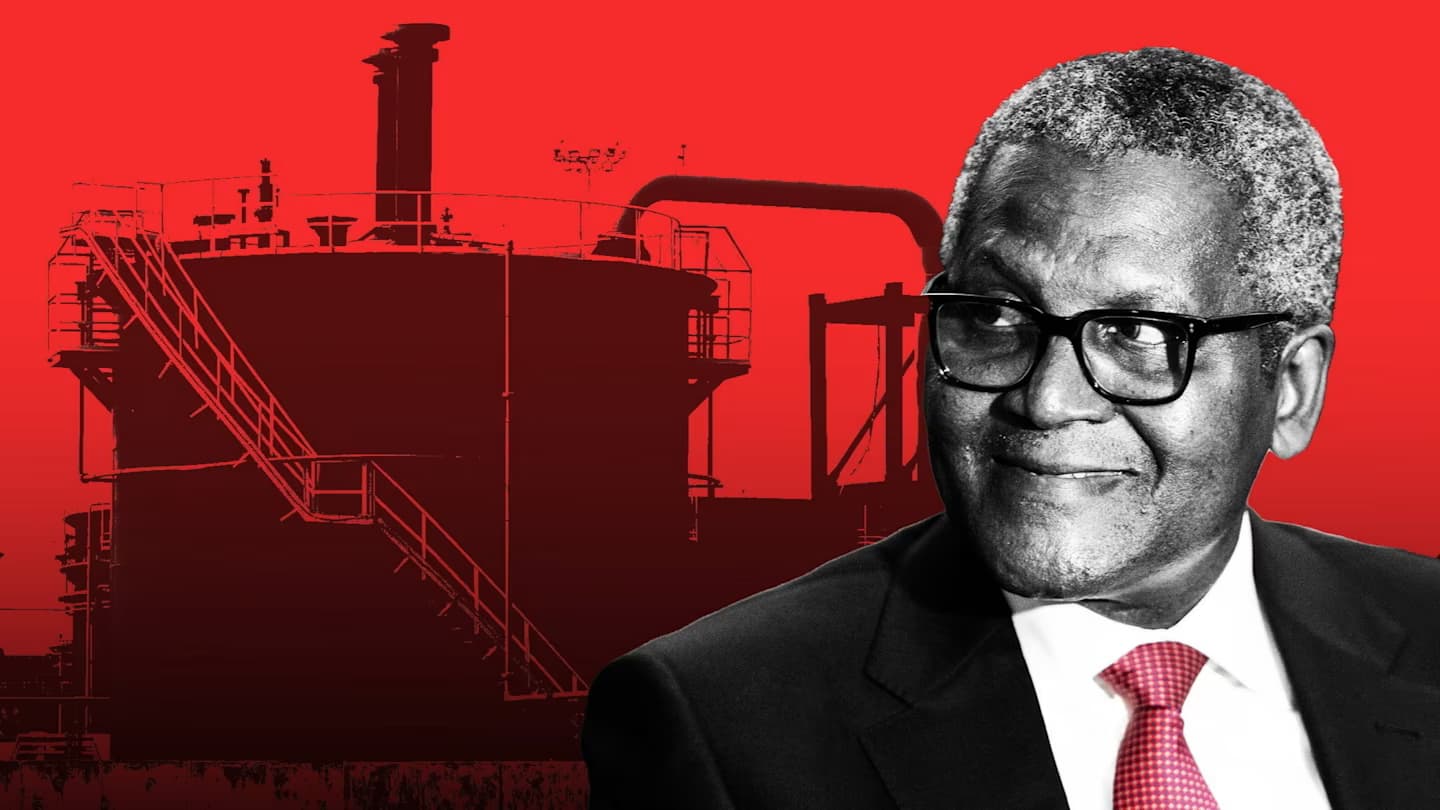
Explosive new documents reveal Jeffrey Epstein’s secret ambitions to trade Nigerian crude and his paranoia about doing business in Africa’s largest economy.
The dark web of Jeffrey Epstein's global dealings has stretched its tendrils into the heart of Nigeria’s oil sector. Newly released documents from the US Federal Bureau of Investigation (FBI) have unearthed a series of email exchanges that show the disgraced financier was actively seeking to enter the lucrative world of Nigerian crude oil trading. However, the correspondence reveals a man deeply conflicted: greedy for the potential billions but terrified of the reputation of the Nigerian business environment.
The revelation centers on emails exchanged between Epstein and a contact identified as David Stern in 2010. In these messages, the two discuss the mechanics of a potential deal to lift crude oil from Nigeria. The timing is significant—2010 was a transition year in Nigerian politics, with Goodluck Jonathan assuming the presidency. The emails suggest that Epstein was trying to leverage his high-profile connections to gain a foothold in the West African nation’s most vital industry.
Yet, what stands out is Epstein's hesitation. He explicitly expressed fears of "being defrauded," a rich irony for a man whose own life was built on a pyramid of deception and abuse. The documents also mention a George Reenstra, who claimed to have a mandatory meeting with President Goodluck Jonathan, further illustrating how Epstein surrounded himself with figures who boasted of access to power. Whether these meetings ever occurred remains a subject of investigation, but the intent was clear.
The release of these files under the Epstein Files Transparency Act adds another layer to the scandal that has gripped the world. It paints a picture of a predator who saw everything—young girls, powerful politicians, and national resources—as commodities to be traded. That he failed to clinch the Nigerian oil deal is perhaps a small mercy for the country, sparing it from being further entangled in his toxic legacy.
As analysts pore over the millions of pages released, the Nigerian connection serves as a stark reminder of how global capital, no matter how dirty, always seeks out the black gold of the Delta. Epstein may be gone, but the system that allowed him to dream of such deals remains.
Keep the conversation in one place—threads here stay linked to the story and in the forums.
Sign in to start a discussion
Start a conversation about this story and keep it linked here.
Other hot threads
E-sports and Gaming Community in Kenya
Active 10 months ago
Popular Recreational Activities Across Counties
Active 10 months ago
The Role of Technology in Modern Agriculture (AgriTech)
Active 10 months ago
Investing in Youth Sports Development Programs
Active 10 months ago