We're loading the full news article for you. This includes the article content, images, author information, and related articles.
The public spat between the Nandi Senator and the former UDA Secretary General signals a deepening schism within the ruling alliance, exposing the high-stakes battle for political control and the fallout from recent political realignments.
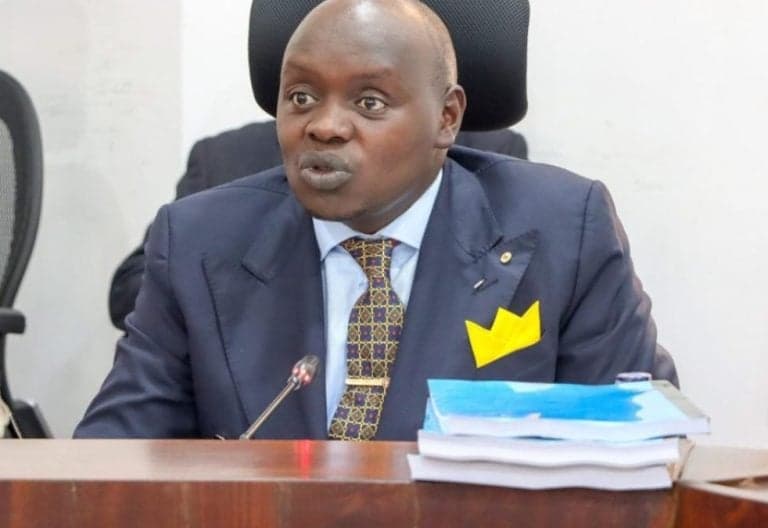
NAIROBI, KENYA – In a sharp escalation of internal conflicts within Kenya’s ruling political establishment, Nandi Senator Samson Cherargei on Thursday, November 27, 2025, publicly accused former United Democratic Alliance (UDA) Secretary General Cleophas Malala of orchestrating “fake political dramas.” This accusation marks the latest salvo in a series of public disagreements and power struggles that have rocked the UDA party, highlighting a significant fallout between two formerly aligned figures and exposing the widening cracks within the Kenya Kwanza coalition.
Cherargei’s comments are widely interpreted as a direct reference to a series of high-profile incidents involving Malala, including his arrest in April 2025 for scripting a controversial play titled “Echoes of War.” The play, which depicted a youth-led uprising against a corrupt regime, was blocked by authorities from being performed by Butere Girls High School at the National Drama Festival, leading to Malala’s dramatic arrest by what he claimed were over 50 police officers. The incident drew condemnation from civil society groups and Chief Justice Martha Koome, who termed the arrest a threat to the rule of law. By labelling these events as “fake dramas,” Senator Cherargei suggests they were politically staged to garner sympathy and undermine the government.
The current animosity between Cherargei and Malala is a stark reversal of their previous political relationship. In June 2023, Cherargei staunchly defended Malala against public criticism from then-Deputy Speaker Gladys Boss Shollei, who blamed Malala for violence at party meetings. At the time, Cherargei tweeted that the party leadership, including President William Ruto, had “ABSOLUTE faith in the performance and management of the party” by Malala, dismissing Shollei’s remarks as personal opinions.
However, signs of divergence appeared in September 2023 when Cherargei proposed extending the presidential term limit from five to seven years. The UDA party, through a formal statement issued by Malala himself, swiftly distanced the party and President Ruto from the proposal, labelling the senator's views as personal, “superfluous and peripheral.”
The definitive turning point was Malala's ousting as UDA Secretary General on August 2, 2024, a move he is currently challenging in court. Following his removal, Malala has aligned himself with the new Democracy for Citizens (DCP) party, led by former Deputy President Rigathi Gachagua, where he now serves as Deputy Party Leader. This political realignment places him in direct opposition to his former party. His active campaigning for a rival candidate against UDA in the Malava constituency by-election, slated for November 27, 2025, has solidified his break from the ruling party.
The Cherargei-Malala feud is not an isolated incident but a microcosm of the systemic infighting and factionalism that has plagued the UDA for over a year. The party has been fractured by a power struggle between allies of President William Ruto and supporters of the impeached former Deputy President, Rigathi Gachagua. This internal strife has led to a trust deficit and public warnings against perceived rebels.
In May 2025, Senator Cherargei himself issued a stern warning to UDA members he considered disloyal, stating, “The party will come hard on them.” This followed the expulsion of nominated Senator Gloria Orwoba for gross misconduct and allegedly promoting the ideals of another party. The public outburst of UDA Chairperson and Embu Governor Cecily Mbarire in June 2025, who complained of being undermined by senior government officials, further underscored the deep-seated turmoil within the party’s leadership.
Political analysts contend that these internal battles are a prelude to the 2027 general election landscape. The formation of the DCP and the alignment of influential figures like Malala with the Gachagua-led camp present a formidable challenge to President Ruto’s authority and could threaten the unity of his political base. As the ruling party grapples with these internal rebellions, the stability of the Kenya Kwanza coalition and its ability to govern effectively remain under intense scrutiny. The war of words between Cherargei and Malala serves as a public spectacle of a political house struggling to remain in order.
Keep the conversation in one place—threads here stay linked to the story and in the forums.
Sign in to start a discussion
Start a conversation about this story and keep it linked here.
Other hot threads
E-sports and Gaming Community in Kenya
Active 9 months ago
The Role of Technology in Modern Agriculture (AgriTech)
Active 9 months ago
Popular Recreational Activities Across Counties
Active 9 months ago
Investing in Youth Sports Development Programs
Active 9 months ago
Key figures and persons of interest featured in this article