We're loading the full news article for you. This includes the article content, images, author information, and related articles.
The global surge in "Tropical Modern" architecture is rapidly reshaping high-end real estate along the Kenyan coast and Nairobi’s leafy suburbs.
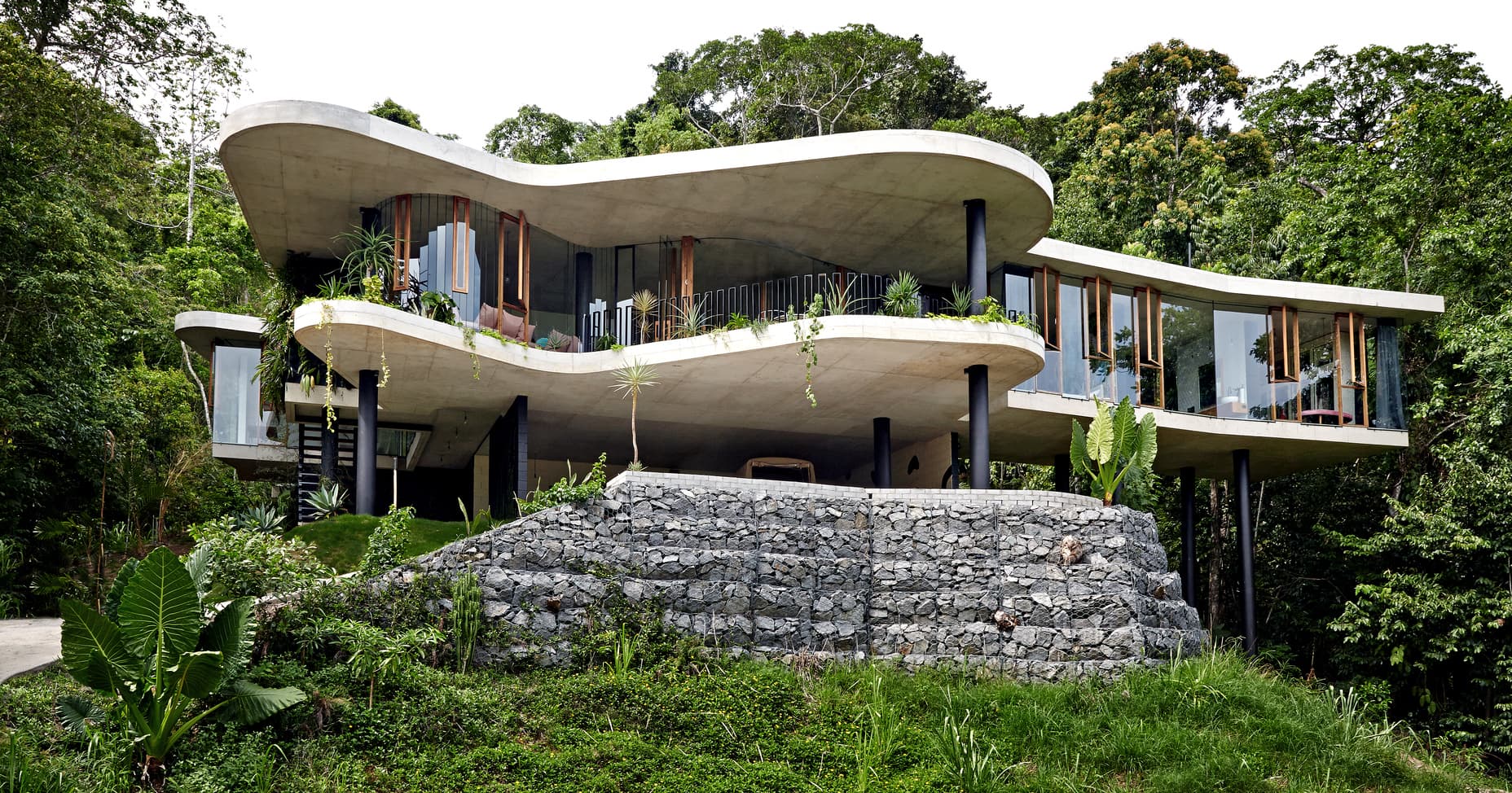
From the sun-drenched shores of Sarasota, Florida, to the breezy coastal cliffs of Kilifi, Kenya, a distinct architectural movement is dominating the luxury property market. Tropical Modernism, recently highlighted by Forbes as a premier design ethos, is now the gold standard for high-net-worth developments in East Africa.
Why is this architectural style suddenly the darling of African real estate investors? As climate change drives temperatures higher and affluent buyers demand sustainable yet opulent living spaces, Tropical Modernism offers the perfect synthesis. It is a design philosophy that does not fight the equatorial climate but embraces it, utilizing cross-ventilation, deep overhangs, and seamless indoor-outdoor transitions.
At its core, Tropical Modernism strips away unnecessary ornamentation in favor of clean lines and functional beauty. The style, championed by top-tier firms like Seibert Architects, relies heavily on natural materials that age gracefully in humid environments. In the Kenyan context, developers are increasingly turning to locally sourced coral stone, sustainable mvule wood, and expansive floor-to-ceiling glass installations.
These homes are designed as passive cooling machines. By orienting living spaces to capture prevailing trade winds—such as the Kusi and Kaskazi along the Swahili coast—architects drastically reduce the reliance on artificial air conditioning. This eco-conscious approach is highly attractive to environmentally aware investors.
The Kenyan luxury real estate sector has seen a marked pivot towards these designs, particularly in prime locations like Watamu, Diani, and Nairobi’s Karen and Muthaiga neighborhoods. The financial implications are substantial for developers and buyers alike.
Beyond economics, this architectural trend represents a cultural shift. It moves away from the heavy, colonial-era architecture that dominated East Africa for decades, offering a lighter, more progressive vision of African living. It respects the local topography, often integrating existing mature trees and natural water features into the structural footprint.
As the global elite continue to seek out exclusive, sustainable retreats, East Africa’s embrace of Tropical Modernism positions it as a highly competitive frontier in luxury real estate. "It is not just about building a house; it is about curating an environment that breathes with the landscape," notes a leading regional developer.
Within this broader shift toward tropical modern living, 37byINEZA presents a clear, grounded example of how these principles are being interpreted in Nairobi today.
Located near Runda along the Kiambu Road corridor, the development reflects a design approach that prioritizes spatial openness, light, and landscape integration. Homes are structured to extend living outward—into private gardens and terraces—creating the kind of indoor–outdoor continuity that defines tropical modern architecture.
The planning also suggests an awareness of climate-responsive living. Open layouts, generous glazing, and transitional spaces support airflow and natural light, aligning with passive design strategies suited to Nairobi’s environment.
Equally notable is the role of restraint. Rather than relying on overly expressive forms or heavy material contrast, the design leans into calm, proportion, and clarity—an approach that reflects a more contemporary, residential refinement of tropical modernism.
Landscape, too, is treated as an integral component. Outdoor spaces are not secondary features but part of the everyday living experience, contributing both to environmental comfort and a sense of privacy.
In this context, 37byINEZA does not stand apart from the movement, but rather illustrates how tropical modernism is being adapted into a more lifestyle-driven, quiet-luxury residential format within the African market.
Most developments sell features.
The more enduring ones deliver a way of living.
They align with a new class of buyer—
one who values:
intentional design over excess
calm over noise
permanence over trend
This is where tropical modernism matures into something greater:
A philosophy of living lightly, privately, and thoughtfully within one’s environment.
Within the African context—where true tropical modernism at scale remains relatively rare—the conversation is still evolving.
What is emerging, however, is a clearer direction:
A move toward design-led residential concepts
Greater emphasis on climate responsiveness
A shift toward experience-driven luxury
Developments like 37byINEZA contribute to this trajectory by demonstrating how these ideas can be translated into cohesive, livable environments.
Keep the conversation in one place—threads here stay linked to the story and in the forums.
Sign in to start a discussion
Start a conversation about this story and keep it linked here.
Other hot threads
E-sports and Gaming Community in Kenya
Active 9 months ago
The Role of Technology in Modern Agriculture (AgriTech)
Active 9 months ago
Popular Recreational Activities Across Counties
Active 9 months ago
Investing in Youth Sports Development Programs
Active 9 months ago