We're loading the full news article for you. This includes the article content, images, author information, and related articles.
The Senate has officially ratified its fifth session calendar, mapping out a rigorous six-part legislative schedule that will dictate the pace of national oversight and county revenue allocation.
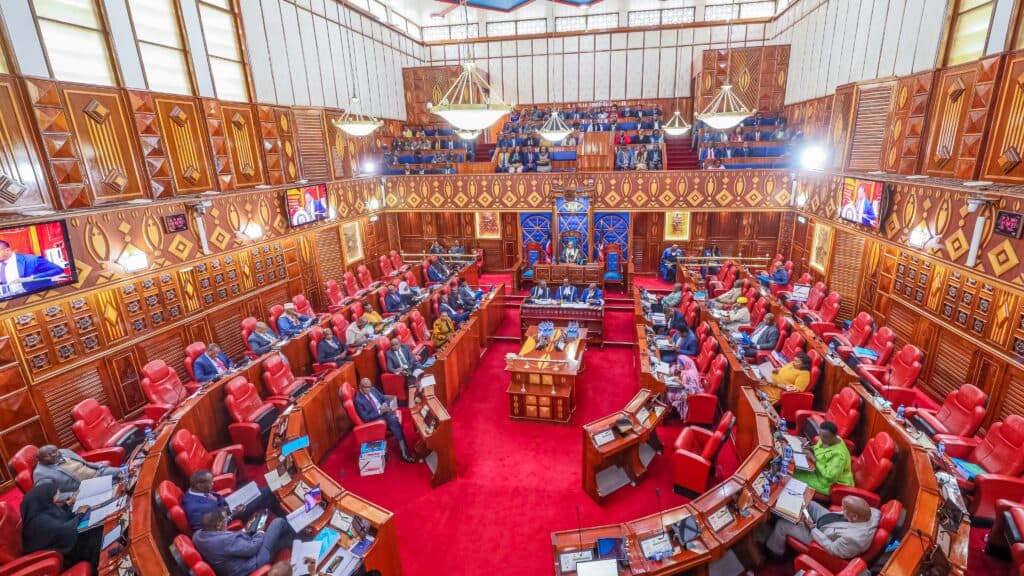
The Kenyan Senate has officially approved and gazetted its legislative calendar for the Fifth Session, outlining a rigorous schedule that will define the political and economic trajectory of the nation in 2026.
This meticulously structured timeline is crucial, as 2026 marks the final full legislative year before the highly anticipated 2027 General Election. The Senate's ability to navigate this packed schedule will dictate the success of impending economic reforms, stringent county government oversight, and the always-contentious national revenue allocation.
Published in a Gazette notice dated February 27, 2026, and signed by the Clerk of the Senate, Jeremiah Nyegenye, the newly adopted calendar breaks the legislative year into six distinct parts. This structured approach aims to balance intense parliamentary debate with vital recess periods, allowing Senators the necessary time to engage with their grassroots constituents—a critical requirement as political temperatures begin to rise.
The session officially commenced with Part I running from February 10 to April 2. During this period, the House is operating on its standard schedule: sittings on Tuesday afternoons, Wednesday mornings and afternoons, and Thursday afternoons. This initial phase sets the stage for introducing critical bills that have been pending from the previous session. A brief recess will follow, spanning April 3 to April 20, granting legislators a brief reprieve before the budget cycle intensifies.
Part II of the calendar, resuming on April 21, is arguably the most consequential phase of the year. This period aligns with the peak of the national budget cycle. The Senate will be heavily involved in deliberating the Division of Revenue Bill and the County Allocation of Revenue Bill. With county governors continually pushing for increased fiscal allocations amid rising inflation, the debates during May and June are expected to be highly charged.
The schedule shifts gears slightly between May 15 and June 1, where the House will dedicate Wednesday mornings, Wednesday afternoons, and Thursday afternoons to plenary sessions. This adjustment ensures that critical financial legislation is expedited before the start of the new fiscal year in July. Part III then spans from June 2 to July 2, maintaining the momentum of the budget approvals before Senators break for a mid-year recess from July 3 to July 13.
As the "Upper House" charged with protecting devolution, the Senate's later sessions—Parts IV, V, and VI spanning from July through early December—will be heavily focused on oversight. Speaker Amason Kingi has already signaled a tough stance on gubernatorial accountability, and the Senate committees are expected to aggressively summon county chiefs over audit queries flagged by the Auditor General.
Committee meetings will officially be suspended from Friday, December 11, 2026, to Friday, January 29, 2027, marking the definitive close of the legislative year. The National Assembly has similarly ratified its calendar, which runs concurrently until December 3, 2026, ensuring that both Houses are synchronized for bicameral legislative requirements.
As the clock ticks toward the 2027 elections, the 2026 Senate calendar is not merely an administrative timetable; it is a political battleground. The efficiency with which the Senate executes this schedule will ultimately determine the legacy of the Thirteenth Parliament. "The approved calendar provides a structured roadmap for legislative business... as the Senate enters the final full year before the 2027 cycle gains momentum," the official gazette notice concluded, underscoring the high stakes of the months ahead.
Keep the conversation in one place—threads here stay linked to the story and in the forums.
Sign in to start a discussion
Start a conversation about this story and keep it linked here.
Other hot threads
E-sports and Gaming Community in Kenya
Active 9 months ago
The Role of Technology in Modern Agriculture (AgriTech)
Active 9 months ago
Popular Recreational Activities Across Counties
Active 9 months ago
Investing in Youth Sports Development Programs
Active 9 months ago
Key figures and persons of interest featured in this article