We're loading the full news article for you. This includes the article content, images, author information, and related articles.
Amid threats of a 2027 election boycott, President Tinubu calls himself a "die-hard democrat," yet civil society remains deeply skeptical of his reforms.

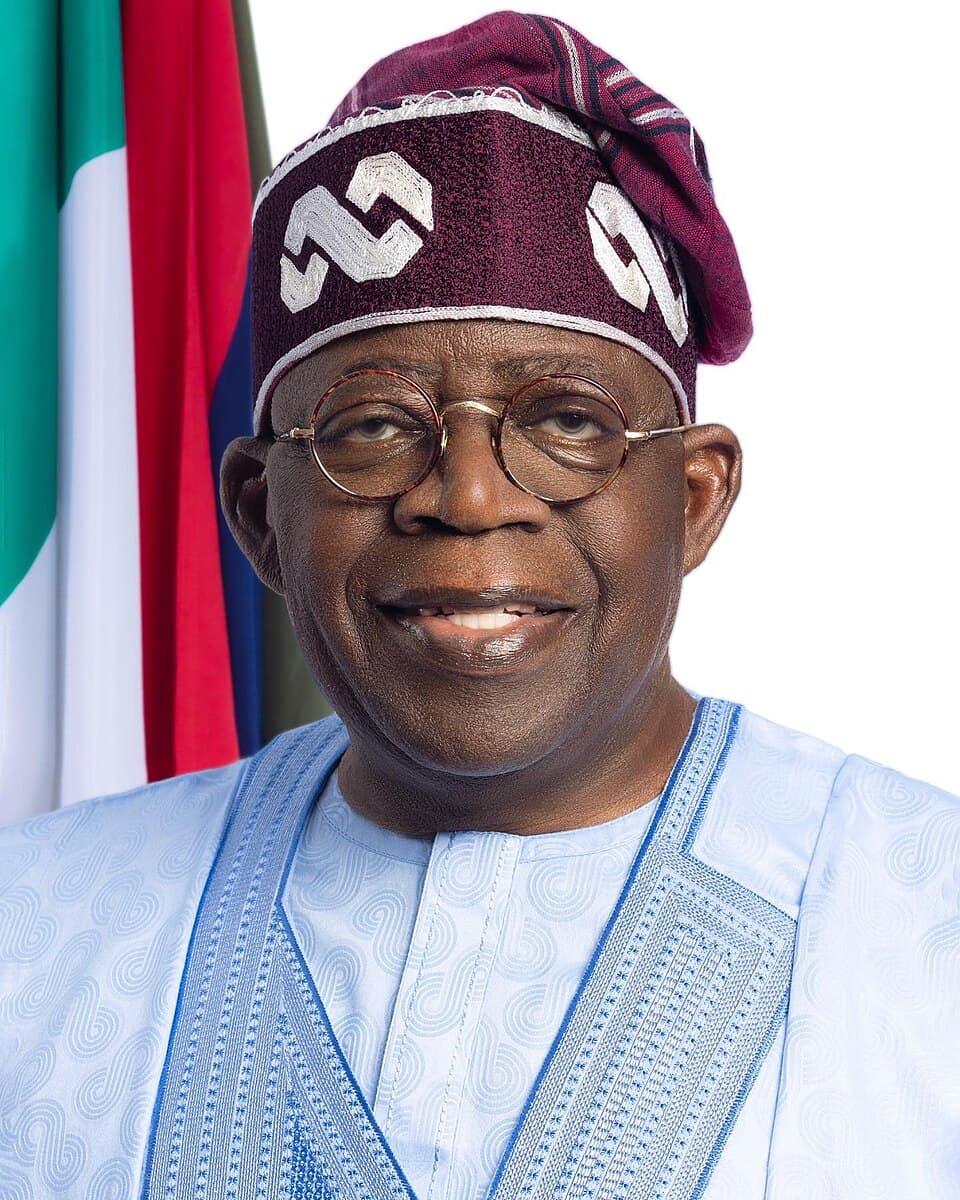
The atmosphere at the State House in Abuja on Wednesday carried the weight of a nation at a crossroads. As President Bola Ahmed Tinubu stood before the gathered leadership of the All Progressives Congress and the Inter-Party Advisory Council, he sought to disarm a brewing political crisis with a singular, forceful self-identification. “I am a die-hard democrat,” he declared, attempting to cement his legacy as a defender of the rule of law. Yet, for millions of Nigerians watching the political maneuverings from afar, the rhetoric did little to soothe the growing anxieties surrounding the integrity of the nation’s electoral framework.
This declaration serves as a high-stakes pivot for an administration currently battling a convergence of economic hardship and deep-seated institutional mistrust. With the 2027 general elections looming as a potential flashpoint for the country’s stability, the President’s pledge is designed to act as a buffer against escalating accusations of executive overreach. However, the disconnect between the administration’s stated commitment to democratic ideals and the reality of the recently signed Electoral Act 2026 suggests a widening chasm that rhetoric alone may no longer be able to bridge.
President Tinubu’s address to political stakeholders was rooted in a narrative of struggle, as he invoked his history as a co-founder of the National Democratic Coalition during the military regimes of the 1990s. By framing his current governance through the lens of those past sacrifices, he sought to insulate his administration from criticisms that characterize his style of rule as increasingly detached from the constitutional guardrails he once fought to establish.
Yusuf Dantalle, the Chairman of the Inter-Party Advisory Council, has been the primary voice of this dissent. His concerns, which were voiced directly to the President, center on the perception that the new electoral framework effectively stifles opposition and centralizes control. While the President insisted that his signing of the Act was a matter of respecting the National Assembly’s will, skeptics argue that this submission to legislative process ignores the critical need for a consultative approach to constitutional amendments.
The tension currently gripping Nigeria’s political establishment is not an isolated phenomenon it finds uncomfortable echoes in the current political discourse across East Africa. In Nairobi, debates surrounding the independence of the electoral commission and the transparency of legislative processes have similarly defined the national conversation over the past eighteen months. The Kenyan experience, particularly during the heated civil unrest surrounding fiscal policy reforms, underscores a broader continental challenge: the struggle to maintain public trust in institutions that are increasingly perceived as instruments of the ruling executive.
For a reader in Nairobi, the Nigerian situation serves as a stark reminder of the fragility of democratic progress. Whether it is the debate over the integration of National Identity Number requirements for voters in Abuja or the ongoing struggle for legislative autonomy in various Kenyan counties, the core issue remains consistent: the battle for the citizen’s voice in the face of centralized power. The economic context is equally shared, with both nations navigating the volatile currents of inflation and a cost-of-living crisis—estimated by local economists to have eroded purchasing power by over 30 percent in the last fiscal year—that make political stability essential for economic recovery.
The skepticism directed at the administration is not merely political—it is deeply rooted in the economic reality of the average citizen. While President Tinubu speaks of the “sweetness” of democracy, data from financial analysts suggests that the political class remains insulated from the harsh realities of the Nigerian economy. Consider the following economic markers of the current administration:
The President’s assertion that he is a “die-hard democrat” will ultimately be measured not by his speeches at the State House, but by the tangible steps taken to address the concerns of opposition leaders and civil society. As the 2027 election cycle approaches, the onus lies on the administration to demonstrate that it is willing to engage in the very “intellectual debate” the President touted during his meeting. If the current trend of centralized authority continues, the fear is that the label of democracy will remain intact, while its substance continues to be hollowed out by the exigencies of political survival.
The silence that followed the President’s statement in the room of stakeholders was perhaps more telling than the applause. It reflected an establishment that is tired of the distance between promise and policy. For Nigeria, and for the broader democratic project in Africa, the coming months will reveal whether this pledge of rule-of-law adherence is a genuine course correction or merely a temporary tactical retreat. The integrity of the 2027 polls will be the final verdict on whether the spirit of democracy has truly survived the passage of time and the pressures of power.
Keep the conversation in one place—threads here stay linked to the story and in the forums.
Sign in to start a discussion
Start a conversation about this story and keep it linked here.
Other hot threads
E-sports and Gaming Community in Kenya
Active 9 months ago
The Role of Technology in Modern Agriculture (AgriTech)
Active 9 months ago
Popular Recreational Activities Across Counties
Active 9 months ago
Investing in Youth Sports Development Programs
Active 9 months ago
Key figures and persons of interest featured in this article