We're loading the full news article for you. This includes the article content, images, author information, and related articles.
General Kiambati fought for the land he was buried in yesterday. But as the soil covered his 106-year-old coffin in Nyandarua, the government he liberated was nowhere to be seen.
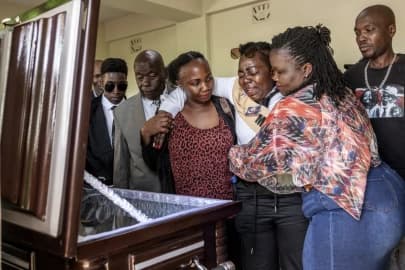
General Kiambati fought for the land he was buried in yesterday. But as the soil covered his 106-year-old coffin in Nyandarua, the government he liberated was nowhere to be seen.
They call them the "Forgotten Army." Yesterday, their ranks thinned by one more. Christopher Njora Muronyo, known in the forests of the Aberdares as "General Kiambati," was laid to rest on Saturday, February 14, 2026. He was 106 years old. He went to his grave carrying three British bullets in his body—grim souvenirs from the 1950s struggle for independence.
The funeral in Nyandarua County was a modest affair. There were no 21-gun salutes, no flag-draped caskets, and conspicuously, no high-ranking government dignitaries. Just family, a few frail comrades, and the cold wind of the Aberdares.
The bitterness was palpable. Emily Kiambati, the General's daughter, did not mince her words. "He was a hero, but today I am not celebrating. The national government did nothing for him," she told mourners. Her father, a man who walked with Field Marshal Dedan Kimathi, died in poverty, struggling to afford medication for the wounds he sustained liberating this country.
It is a recurring national shame. While politicians flaunt ill-gotten wealth in gas-guzzlers, the men and women who bled for the flag are left to rot in mud-walled shacks. The Kenya Human Rights Commission estimates that tens of thousands of veterans died without ever receiving a cent of compensation.
General Kiambati's story is the story of Kenya. He took up arms in 1952 when the British settlers turned the "White Highlands" into an exclusive club. He fought in the cold forests, surviving on wild honey and determination. He saw Kimathi captured. He saw independence come in 1963. And then, he saw the new black elite grab the land he fought for.
With Kiambati's death, the living link to the Mau Mau is almost severed. Soon, there will be no one left to tell the stories of the forest—only sanitized textbooks. The government's absence at his funeral speaks louder than any Mashujaa Day speech ever could.
"We buried a General like a peasant," a neighbor remarked as the ceremony closed. "But in the eyes of God, he is the owner of this soil." Rest well, General. You have fought the good fight.
Keep the conversation in one place—threads here stay linked to the story and in the forums.
Sign in to start a discussion
Start a conversation about this story and keep it linked here.
Other hot threads
E-sports and Gaming Community in Kenya
Active 9 months ago
The Role of Technology in Modern Agriculture (AgriTech)
Active 9 months ago
Popular Recreational Activities Across Counties
Active 9 months ago
Investing in Youth Sports Development Programs
Active 9 months ago