We're loading the full news article for you. This includes the article content, images, author information, and related articles.
The Strait of Hormuz serves as a critical, volatile artery for global energy, directly impacting fuel costs from the Persian Gulf to Nairobi.
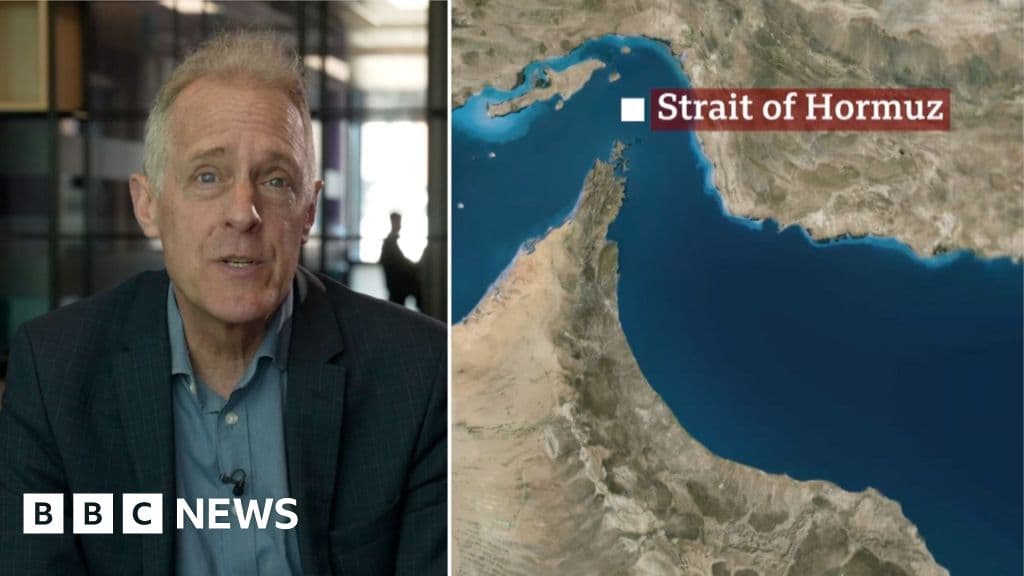
A silent, hulking Very Large Crude Carrier enters the narrow waterway, its massive hull displacing thousands of tons of seawater. Flanked by rocky, desolate coastlines that seem unnervingly close, the vessel is effectively trapped in a maritime corridor that functions as the world's most critical energy artery. This is the Strait of Hormuz, a sliver of water between Iran and Oman that dictates the rhythm of the global economy and, by extension, the price of fuel at every pump in Nairobi.
For global markets, the Strait of Hormuz is not merely a geographic feature it is a precarious pressure cooker. Every day, approximately 20 to 21 million barrels of oil—roughly one-fifth of the world's daily petroleum consumption—pass through this channel. The stakes are immense: a total blockage or a prolonged disruption would not just rattle markets it would trigger an immediate, catastrophic energy crisis. When the geopolitics of the Middle East fracture, the shockwaves are felt almost instantly in the shipping insurance offices of London and the petrol stations of East Africa.
The Strait of Hormuz presents a logistical nightmare for international shipping lanes. At its narrowest point, the shipping channel is only about two miles wide, with two lanes—one for inbound traffic and one for outbound—separated by a narrow buffer. This bottleneck forces supertankers, some of the largest moving objects on the planet, to navigate a predictable, slow-moving path that makes them exceptionally vulnerable to interference.
Maritime analysts from the International Maritime Organization (IMO) have long categorized this zone as one of the most monitored yet dangerous shipping corridors in existence. The vulnerability is not just physical but systemic. Because the channel is so narrow, ships are forced to travel close to Iranian territorial waters. This proximity allows Iranian naval forces to assert authority, conduct inspections, or, as history has shown, detain vessels under the guise of maritime infractions. For a tanker captain, the passage is a high-pressure, twenty-four-hour exercise in vigilance, where any deviation or perceived provocation can lead to international diplomatic incidents.
The impact of this fragility extends far beyond the Middle East. Global commodity traders price oil not just on supply and demand, but on the perceived risk of delivery. When tensions in the Strait rise, the cost of marine insurance—specifically the 'War Risk Premium'—skyrockets. This surcharge is paid by shipowners, but it is never absorbed by them it is passed down the supply chain, eventually hitting the consumer.
For a reader in Nairobi, the connection is direct. Kenya imports the vast majority of its refined petroleum products. When insurance premiums for tankers transiting the Persian Gulf rise, the landed cost of fuel in Mombasa increases. This creates an inflationary effect across the Kenyan economy, as higher fuel prices drive up the cost of transport, manufacturing, and food production. The data regarding this logistical dependency is stark and sobering.
The Strait of Hormuz has been the theater of shadow warfare for decades. During the 1980s, the so-called 'Tanker War' saw the straits littered with mines and subjected to aerial attacks, forcing the United States Navy to begin escorting re-flagged Kuwaiti tankers. That history has created a permanent, heavy military presence in the region. Today, the tensions are multifaceted, involving drone threats, cyber-warfare against port infrastructure, and the constant, underlying fear of maritime sabotage.
Economists at the Central Bank of Kenya have previously noted that exogenous shocks, such as supply chain disruptions in the Middle East, are a primary risk to the country's fiscal stability. When Iranian-Western relations deteriorate, the global market reacts with a volatility that leaves landlocked and import-dependent nations in East Africa particularly exposed. There is no alternative route the Strait is the only exit for the bulk of Gulf crude, meaning there is no way to bypass this potential flashpoint if relations between Tehran and Western powers collapse.
The reality for modern commerce is that we are tethered to the stability of a waterway that is only 21 miles wide. International policy experts argue that the current status quo—a delicate balance of naval patrols and diplomatic posturing—is sustainable only as long as the status quo remains uncontested. However, as nations increasingly weaponize infrastructure, the Strait of Hormuz remains the ultimate lever of influence.
For the average citizen, the Strait feels distant, a place on a map involving far-off superpowers and oil-rich kingdoms. Yet, it remains an intimate part of daily life. Every time a consumer fills a tank at a station in Westlands or pays for transport to Nakuru, a portion of that cost is determined by the safety of that narrow, contested passage in the Persian Gulf. As global demand for energy continues to rise and geopolitical alignments shift, the Strait of Hormuz will remain the world's most dangerous chokepoint—a narrow, vital, and increasingly volatile artery upon which the modern world refuses to stop depending.
Keep the conversation in one place—threads here stay linked to the story and in the forums.
Sign in to start a discussion
Start a conversation about this story and keep it linked here.
Other hot threads
E-sports and Gaming Community in Kenya
Active 10 months ago
The Role of Technology in Modern Agriculture (AgriTech)
Active 10 months ago
Popular Recreational Activities Across Counties
Active 10 months ago
Investing in Youth Sports Development Programs
Active 10 months ago



