We're loading the full news article for you. This includes the article content, images, author information, and related articles.
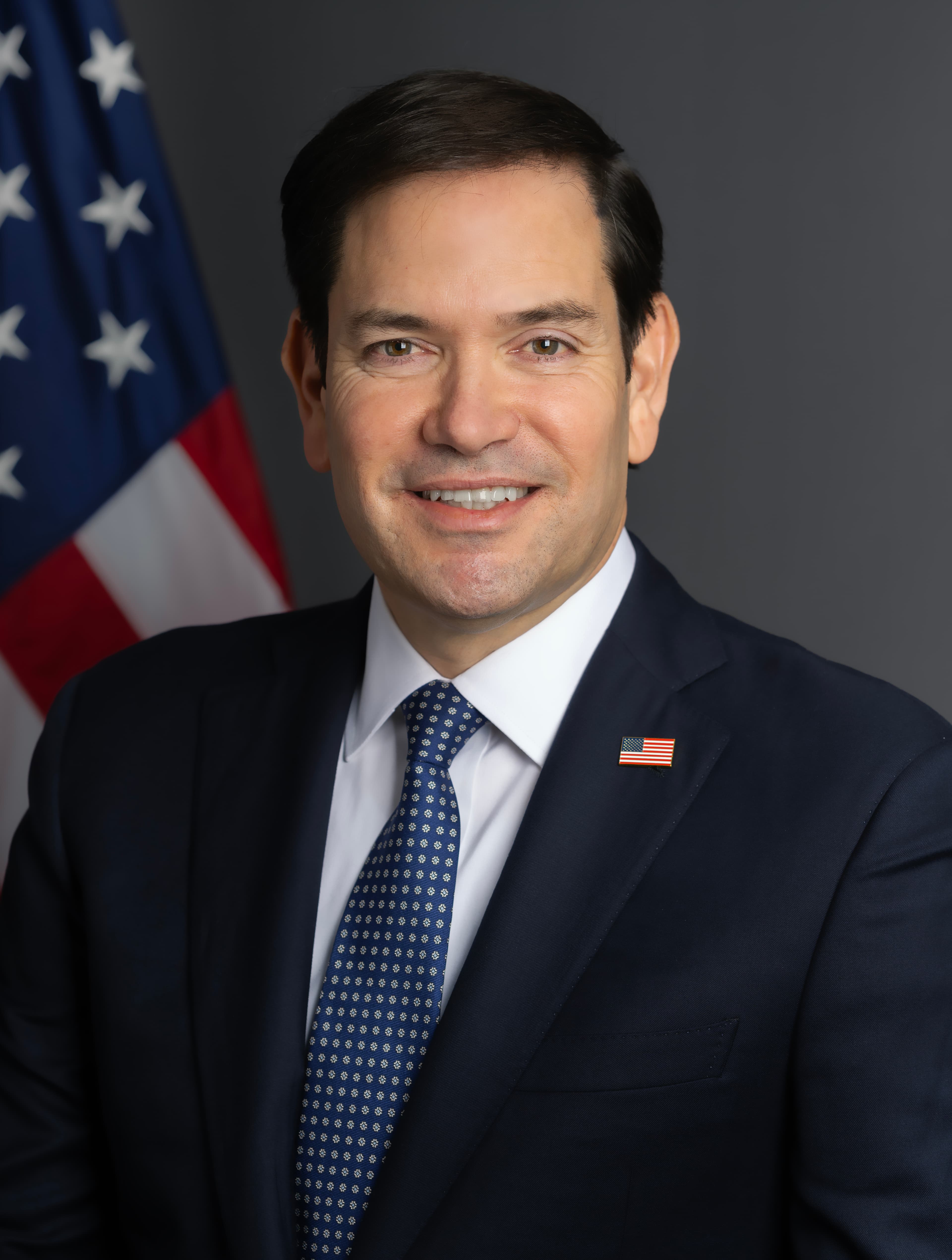
US Secretary of State Marco Rubio confronts G7 allies to secure the Strait of Hormuz amid escalating conflict, threatening Kenya’s energy import costs.

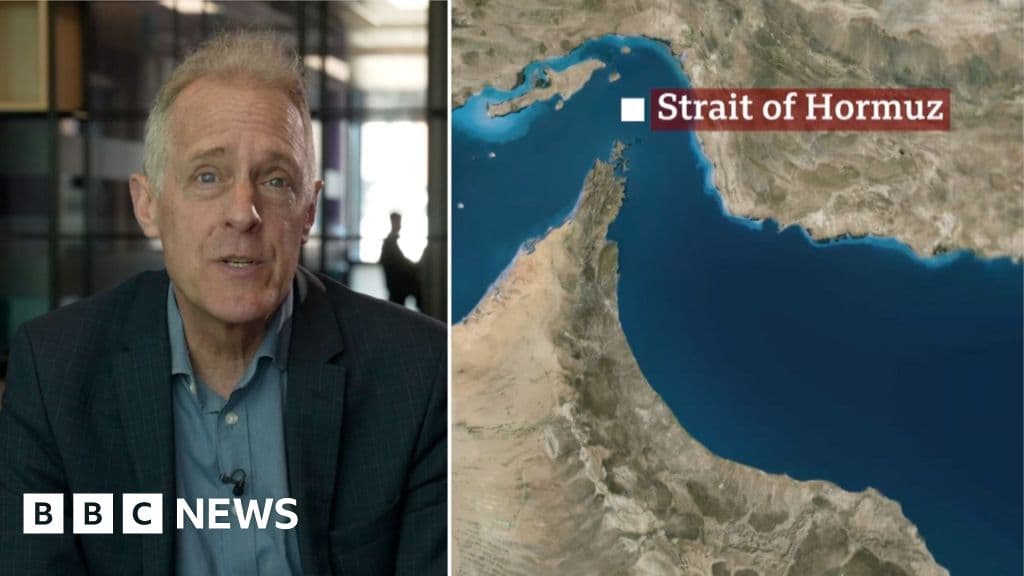
The atmosphere inside the G7 summit in France has grown increasingly frigid as United States Secretary of State Marco Rubio prepares to confront allied leaders with a stark ultimatum regarding the security of the Strait of Hormuz. Following the recent military escalations between the United States, Israel, and Iran earlier this year, the maritime passage has transformed from a vital trade artery into the world’s most volatile geopolitical flashpoint. Rubio arrives with intelligence dossiers suggesting that the risk of a total blockade is no longer a hypothetical scenario but an immediate strategic threat that demands a unified, aggressive naval response from the world’s leading economies.
The stakes of this diplomatic standoff extend far beyond the narrow waters of the Persian Gulf. With approximately 21 million barrels of oil and petroleum products moving through the Strait daily, any prolonged disruption threatens to trigger a global energy shock not seen since the 1970s. For nations like Kenya, which rely heavily on imported petroleum products to sustain industrial output and transportation networks, the instability carries the risk of runaway inflation and severe fiscal pressure. As Rubio seeks to forge a coalition, he faces a delicate balancing act: pressuring allies to commit naval assets to the region without further provoking Tehran, all while keeping global energy markets from entering a period of uncontrolled panic.
The Strait of Hormuz serves as the central nervous system of the global hydrocarbon market. According to recent data from the International Energy Agency, the waterway facilitates the movement of roughly 20 to 30 percent of the world’s total petroleum consumption. Since the onset of the US-led operations against Iranian installations in early 2026, the region has been subjected to heightened naval patrols and persistent threats of retaliation. This current geopolitical climate has forced tanker insurance premiums to unprecedented levels, effectively taxing global commerce before a single drop of oil reaches a refinery.
Experts in maritime security note that even a minor, localized disruption—such as the mining of a shipping lane or the seizure of a commercial tanker—could send Brent crude prices surging past the 120-dollar mark per barrel. In the current global economy, still recovering from the volatility of the past two years, such an increase would dismantle recent progress in inflation control. Rubio is reportedly arguing that the G7 must signal a clear deterrent capability, essentially aiming to normalize a permanent, multinational naval presence in the strait to ensure the safety of commercial transit. However, this strategy faces intense scrutiny from European members who are wary of entrenching their military forces deeper into the Middle Eastern theater.
For a reader in Nairobi, the geopolitical posturing in France is not merely a distant diplomatic spat it is a direct precursor to domestic economic policy shifts. Kenya’s economy is acutely sensitive to global crude oil prices, which dictate the pump prices for super petrol, diesel, and kerosene. According to the Energy and Petroleum Regulatory Authority, fuel accounts for a significant portion of the country’s import bill, and shifts in global supply often result in rapid upward adjustments to energy costs, which in turn drive the cost of food, manufacturing, and public transport.
Economists at the University of Nairobi warn that if the Strait of Hormuz were to see a meaningful reduction in traffic, the secondary effects on the Kenyan shilling could be profound. A surge in oil prices would exacerbate the country’s trade deficit, placing immense pressure on the Central Bank of Kenya to manage currency volatility. The following projections outline the potential impact of sustained instability in the Persian Gulf on regional markets:
Secretary Rubio faces a daunting challenge in securing consensus among G7 leaders. While nations such as the United Kingdom have shown willingness to bolster naval cooperation, others are prioritizing diplomatic backchannels with regional stakeholders in the hope of de-escalating the crisis without military build-ups. The tension is compounded by the fact that the recent military operations against Iran have created a complex landscape where traditional allies hold differing views on the necessity of continued kinetic pressure. The American delegation, however, remains resolute, positing that the threat of a closed strait is a strategic defeat that the global economy cannot afford to absorb.
The current impasse reflects a broader failure of collective security arrangements to account for the vulnerabilities of modern, hyper-connected supply chains. As the meeting concludes, the question remains whether the G7 can move beyond declarations and formulate a tangible, operational plan to guarantee freedom of navigation. Until such a commitment is solidified and the military posturing in the Gulf is tempered, the global market will continue to trade with a heavy premium on risk—a cost that ultimately trickles down to consumers from Paris to Nairobi.
The world waits to see if Rubio can secure the commitment he seeks, or if the Strait of Hormuz will continue to define the limits of 21st-century diplomacy. Should the diplomatic path falter, the resulting volatility in the energy sector will likely serve as the definitive economic event of 2026, forcing nations to confront the fragility of their dependence on a single, troubled maritime corridor.
Keep the conversation in one place—threads here stay linked to the story and in the forums.
Sign in to start a discussion
Start a conversation about this story and keep it linked here.
Other hot threads
E-sports and Gaming Community in Kenya
Active 10 months ago
The Role of Technology in Modern Agriculture (AgriTech)
Active 10 months ago
Popular Recreational Activities Across Counties
Active 10 months ago
Investing in Youth Sports Development Programs
Active 10 months ago
Key figures and persons of interest featured in this article