We're loading the full news article for you. This includes the article content, images, author information, and related articles.
An explosive Auditor-General report has exposed massive, unexplained financial overruns in the construction of Kenya's flagship stadium project ahead of AFCON 2027.
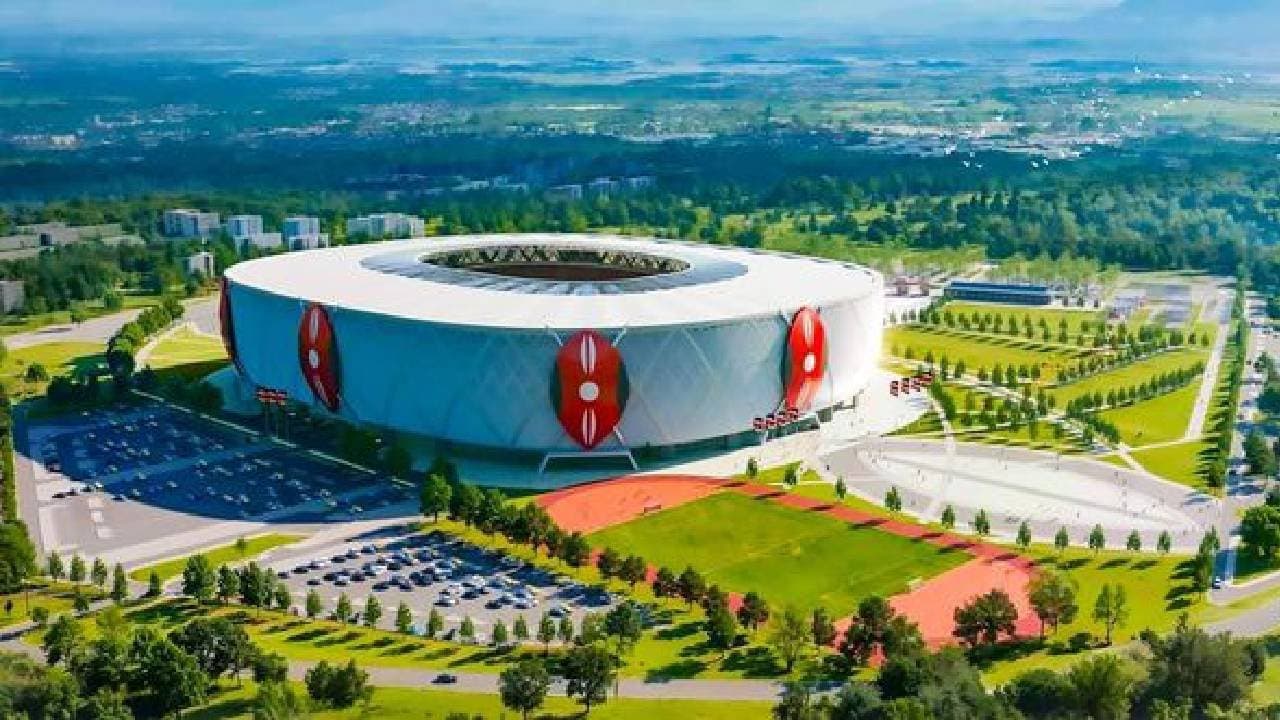
An explosive Auditor-General report has exposed massive, unexplained financial overruns in the construction of Kenya's flagship stadium project, casting a dark cloud of suspicion over preparations for the 2027 Africa Cup of Nations (AFCON). The dream of hosting continental glory is rapidly morphing into a fiscal nightmare for the taxpayer.
The construction of the state-of-the-art, 60,000-seater Talanta Sports City in Nairobi was envisioned as a crowning architectural achievement for the nation. Instead, it has become the focal point of a blistering audit that reveals a project fundamentally disconnected from its approved budgetary anchors.
Auditor-General Nancy Gathungu’s damning assessment points to a procurement process devoid of necessary legal clearances and riddled with unsupported price variations. This massive financial hemorrhage threatens to burden the Kenyan taxpayer for generations, while simultaneously raising profound concerns regarding the transparency of mega-infrastructure development in the country.
The core of the scandal lies in a staggering discrepancy between the authorized budget and the final contract execution. According to the audit covering the Ministry of Defence’s accounts for the 2024/25 financial year, the National Treasury had initially approved a funding cap of KES 35 billion for the stadium.
These funds were structurally earmarked to be drawn from the Sports and Arts Social Development Fund (SASDF) over a manageable six-year period. However, the Ministry of Defence proceeded to sign a heavily inflated two-year contract with a foreign contractor on May 26, 2024, valued at a jaw-dropping KES 45.85 billion (approximately USD 344.5 million).
The Auditor-General’s report is unequivocal: "This is against a contract amount of Sh45.85 billion, resulting in an unsupported price variation of Sh10.85 billion." The complete lack of justification for a 31% budget explosion has triggered alarm bells across the political and economic spectrum.
Beyond the raw numbers, the audit exposes severe procedural violations that strike at the heart of governmental accountability. The most egregious of these is the total circumvention of the Office of the Attorney General during the contract awarding phase.
Under Section 134 of the Public Procurement and Asset Disposal Act, any state contract exceeding KES 5 billion must be subjected to rigorous scrutiny and prior clearance from the Attorney General to protect national interests. The audit confirms that this mandatory legal clearance, during Justin Muturi’s tenure as AG, was never sought.
Furthermore, the contract was executed via a direct procurement method. The law dictates that open tendering must be the default mechanism for public projects, reserving direct procurement for exceptional circumstances such as national security threats or natural disasters. The utilization of direct procurement for a civilian sports facility violates the fundamental tenets of competitive bidding.
The financial peril extends far beyond the initial KES 10.85 billion inflation. The audit reveals that the government bound itself to highly punitive contractual terms that expose the exchequer to devastating financial penalties.
A specific clause dictates that any late payments to the contractor will immediately attract an interest rate calculated at three percent above the Central Bank of Kenya's average base lending rate, applicable from the very first day of default. Given the government’s historical struggles with prompt contractor payments, this clause is a ticking financial time bomb.
As of June 1, 2025, the project was reported to be 44.54% complete, with cumulative payments to the contractor standing at a mere KES 2 billion—roughly 4.5% of the total contract sum. The sheer volume of outstanding payments, coupled with the aggressive interest clauses, virtually guarantees that the final cost of the stadium will skyrocket even further.
The urgency surrounding Talanta Sports City is driven by the looming 2027 Africa Cup of Nations, which Kenya is slated to co-host alongside Uganda and Tanzania. The stadium is the cornerstone of Kenya’s infrastructural pledge to the Confederation of African Football (CAF).
This strict, unyielding deadline is likely being leveraged to justify the procedural shortcuts and accelerated, direct procurement methods. However, international sporting events have historically been used as trojan horses for hyper-inflated public spending, a trap that Kenya appears to have fallen squarely into.
Members of Parliament are now openly questioning the long-term viability of the project, with some estimating that opaque financing mechanisms, including bond issuances, could see the ultimate cost of the stadium approach an apocalyptic KES 100 billion by the time the debt matures.
The revelations surrounding Talanta Sports City demand immediate and severe intervention. The Auditor-General has strongly recommended a special, forensic audit to determine if the Kenyan public is deriving any genuine value for money from the new funding models being deployed.
As the concrete continues to pour in Nairobi, the political fallout from this KES 10.85 billion discrepancy is only just beginning. The project stands as a stark monument to the urgent need for absolute transparency and rigid adherence to procurement laws in East Africa’s largest economy.
Keep the conversation in one place—threads here stay linked to the story and in the forums.
Sign in to start a discussion
Start a conversation about this story and keep it linked here.
Other hot threads
E-sports and Gaming Community in Kenya
Active 9 months ago
The Role of Technology in Modern Agriculture (AgriTech)
Active 9 months ago
Popular Recreational Activities Across Counties
Active 9 months ago
Investing in Youth Sports Development Programs
Active 9 months ago
Key figures and persons of interest featured in this article