We're loading the full news article for you. This includes the article content, images, author information, and related articles.
Leading a high-level delegation to Victoria Falls, Tanzania showcased its ambitious clean energy agenda at the SADC Sustainable Energy Week. The conference emphasized promoting regional economic growth through sustainable power networks.

Leading a high-level delegation to Victoria Falls, Tanzania showcased its ambitious clean energy agenda at the SADC Sustainable Energy Week. The conference emphasized promoting regional economic growth through sustainable power networks.
Tanzania has firmly positioned itself at the forefront of Africa's renewable power transition during the Southern African Development Community (SADC) Sustainable Energy Week. The nation presented a comprehensive roadmap for achieving a diversified, clean energy matrix.
The urgency of this clean energy dialogue cannot be overstated. As industrialization accelerates across the continent, the demand for reliable electricity is surging. Shifting away from heavy fossil fuels towards sustainable alternatives is critical not only for mitigating climate change impacts but also for ensuring long-term, cost-effective energy security for millions of citizens.
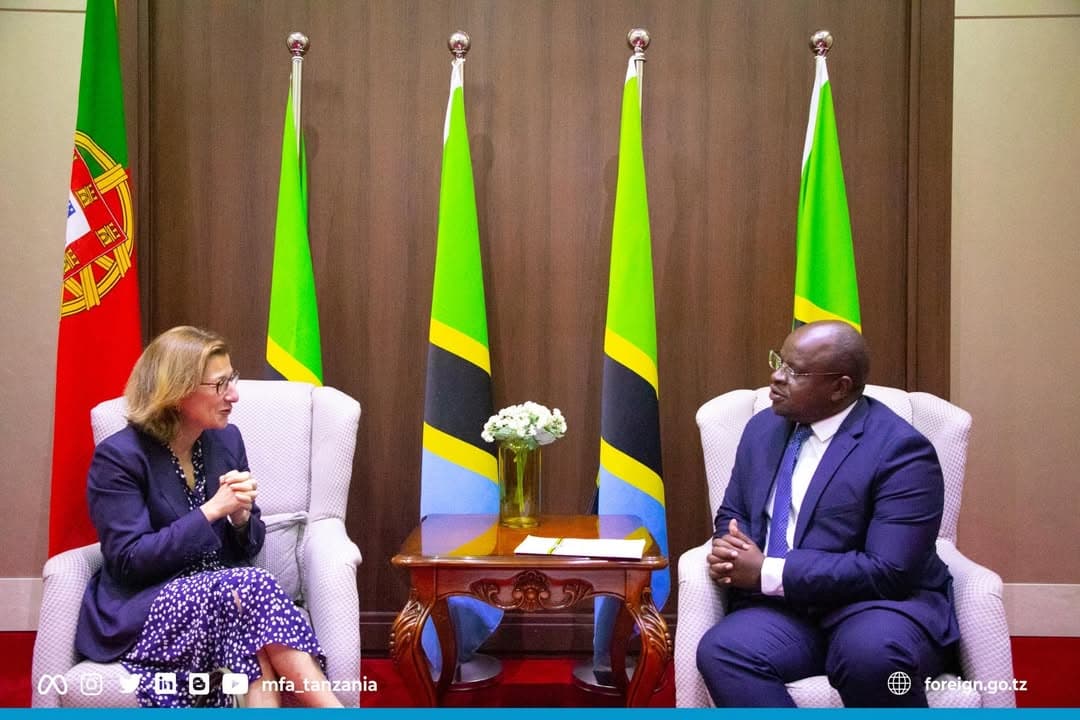
The Tanzanian delegation, led by High Commissioner to Zimbabwe Suzana Kaganda and Commissioner for Electricity and Renewable Energy Innocent Luoga, actively participated in the preliminary sessions in Victoria Falls. Opened by Zimbabwe's Minister of Energy, July Moyo, the conference operated under the pivotal theme: "Promoting Regional Economic Growth through Clean Energy and Efficient Energy Use." The event brought together sector ministers and key stakeholders from across member states to dissect opportunities spanning the entire sustainable energy value chain.
Tanzania used the platform to detail its aggressive national campaigns, which include transitioning populations away from environmentally destructive biomass fuels and investing heavily in massive hydroelectric and solar projects. By sharing its policy frameworks and management strategies, Tanzania aims to foster a collaborative regional approach, ensuring that clean energy policies are not developed in isolation but are integrated across borders to maximize efficiency and grid stability.
The discourse at the SADC conference holds profound implications for the broader East African power ecosystem. While Tanzania is a vital member of SADC, its energy infrastructure is also intrinsically linked to the East African Community (EAC). Kenya, for instance, has long been a global leader in geothermal energy generation. By expanding its own clean energy capacity—primarily through hydro and natural gas transition strategies—Tanzania creates a complementary power dynamic.
When nations successfully harness clean energy, they can participate more robustly in the East African Power Pool. If Tanzania experiences a surplus from its mega-dams, it can export clean electricity to Kenya or Uganda, and vice versa. This interconnectedness reduces the need for expensive, carbon-heavy emergency power plants, ultimately driving down the cost of electricity per kilowatt-hour (saving consumers billions of KES annually) and making the entire region more attractive to heavy manufacturing investments.
As the conference sessions progress toward their conclusion on February 27, 2026, the focus will intensify on the actual implementation of these grand strategies. Rhetoric must be translated into actionable infrastructure projects. Tanzania is already pushing forward domestically, urging entities like the Kiwira Mine to balance traditional extraction with overarching clean energy goals.
The ultimate vision is a seamlessly connected, sustainably powered African continent. By taking a leadership role in platforms like SADC, Tanzania is not just securing its own energy future; it is actively architecting the energetic backbone that will power the next century of African economic prosperity.
"Sustainable energy is the currency of the future; without it, regional economic growth is merely a temporary illusion."
Keep the conversation in one place—threads here stay linked to the story and in the forums.
Sign in to start a discussion
Start a conversation about this story and keep it linked here.
Other hot threads
E-sports and Gaming Community in Kenya
Active 9 months ago
The Role of Technology in Modern Agriculture (AgriTech)
Active 9 months ago
Popular Recreational Activities Across Counties
Active 9 months ago
Investing in Youth Sports Development Programs
Active 9 months ago