We're loading the full news article for you. This includes the article content, images, author information, and related articles.
Scientific analysis reveals why buying perfume is a high-risk romantic gesture, as genetic makeup and body chemistry make scent preference a deeply individual biological puzzle.
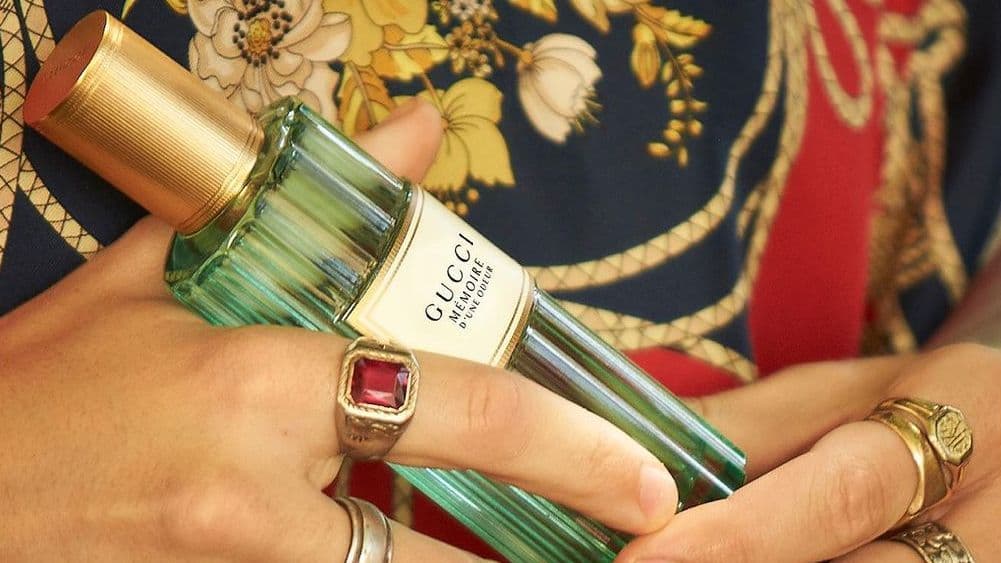
It sits wrapped in gold ribbon, a bottle of liquid promise. Yet, behind the allure of designer glass and celebrity endorsements, perfume remains the most treacherous gift in the romantic arsenal. Science suggests that buying fragrance for a partner is not just a matter of taste—it is a genetic minefield.
Every Valentine`s Day, thousands of relationships stumble over the hurdle of olfactory incompatibility. You buy the scent that smells divine on a tester strip, or perhaps on your own skin, only to find it turns cloying or sharp on your partner. This is not a failure of shopping; it is a triumph of biology. The "So What?" here is that we are biologically wired to perceive scent through the prism of our own immune systems, making our subjective "good taste" an unreliable compass for someone else’s body chemistry.
The culprit lies deep within our DNA, specifically the Major Histocompatibility Complex (MHC). These genes, which control our immune response, also dictate our body odor and our scent preferences. We are naturally drawn to perfumes that enhance our own unique immunological signature. When we choose a scent for a partner, we are often unconsciously selecting what suits us, not what suits them.
Furthermore, the interaction between a perfume’s volatile oils and the skin’s pH, moisture level, and temperature is chemically unique to every human. A note of jasmine that sings on one wrist may scream on another. This volatility makes blind-buying fragrance akin to guessing a partner’s glasses prescription—you might get lucky, but the odds are you will cause a headache.
This biological reality checks the commercial romance of the season. The perfume industry sells a fantasy of universal allure, but the nose operates on a strict code of biological individualism. It detects compatibility, health, and genetic diversity.
So, before you swipe your card for that expensive flacon of Eau de Risk, remember: the most romantic gesture might not be the scent itself, but the acknowledgement that your partner is a unique biological entity, one whose chemistry cannot be guessed, only experienced. Tread carefully, for the nose knows what the heart often ignores.
Keep the conversation in one place—threads here stay linked to the story and in the forums.
Sign in to start a discussion
Start a conversation about this story and keep it linked here.
Other hot threads
E-sports and Gaming Community in Kenya
Active 9 months ago
The Role of Technology in Modern Agriculture (AgriTech)
Active 9 months ago
Popular Recreational Activities Across Counties
Active 9 months ago
Investing in Youth Sports Development Programs
Active 9 months ago