We're loading the full news article for you. This includes the article content, images, author information, and related articles.
Iranian authorities have warned citizens against adhering to foreign-backed protest calls, as the nation grapples with the transition of power.

Heavy military vehicles and masked personnel have transformed the streets of Tehran into a fortified garrison, marking a dramatic escalation in the Iranian government’s response to brewing internal dissent. The state security apparatus has issued a chilling directive: any citizen participating in demonstrations following calls from foreign leaders—specifically the United States—will be treated as an enemy combatant.
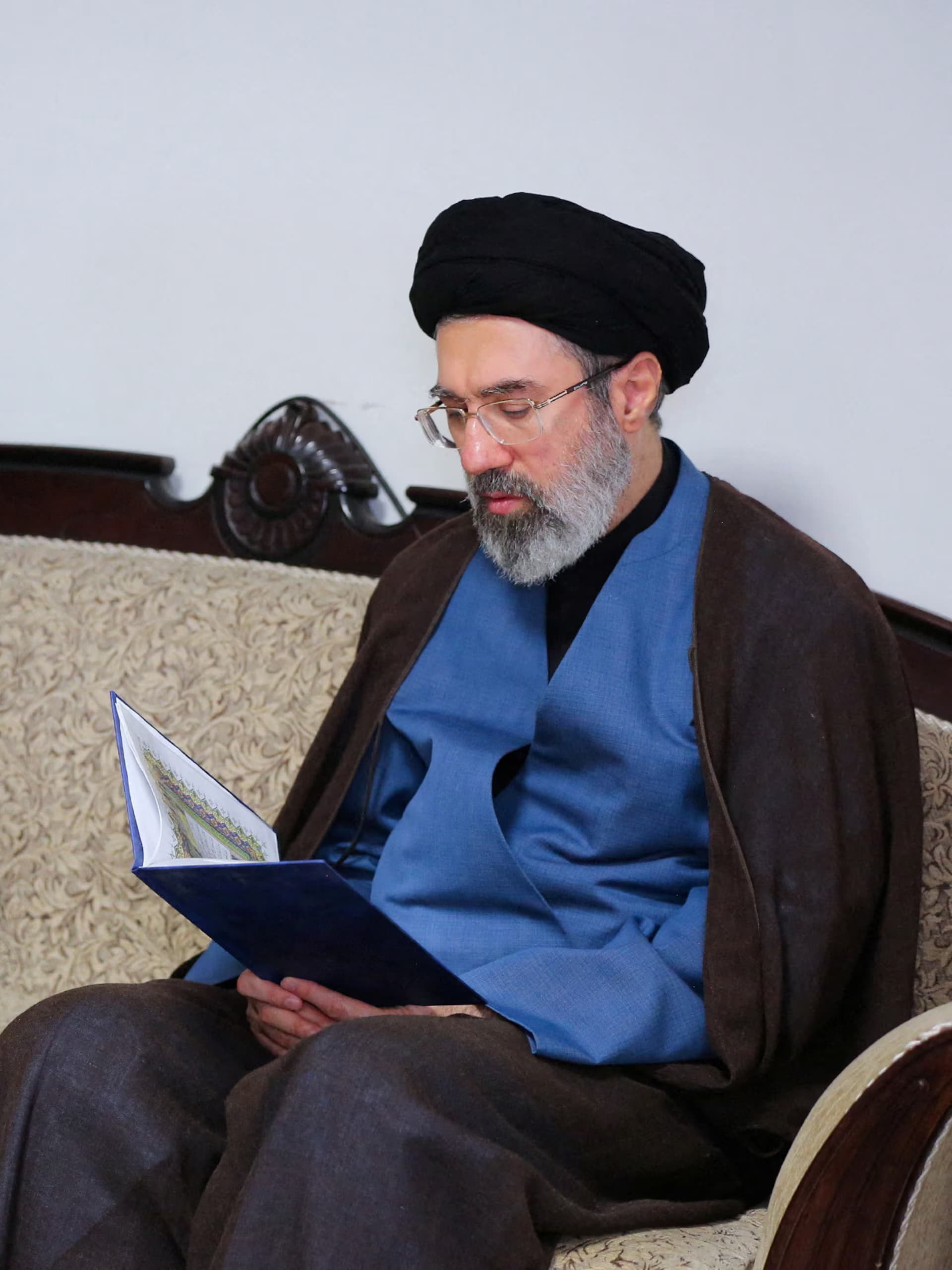
This declaration comes less than two weeks after the death of Supreme Leader Ayatollah Ali Khamenei in a series of precision airstrikes attributed to a joint US-Israeli campaign. As the nation grapples with the controversial appointment of Mojtaba Khamenei as the new Supreme Leader, the regime is signaling that it will brook no internal instability, setting the stage for a potentially violent confrontation between a restive population and the battle-hardened Islamic Revolutionary Guard Corps.
The political vacuum left by the February 28th assassination of Ayatollah Ali Khamenei has been filled with startling speed, though not without significant internal friction. On March 8, the Assembly of Experts named Mojtaba Khamenei as the third Supreme Leader of the Islamic Republic, a move that critics suggest was orchestrated by the IRGC to consolidate power during a moment of supreme vulnerability. For the Iranian populace, the transition has been less about constitutional continuity and more about the tightening grip of hardline military factions.
Sources within Tehran describe a leadership structure that is currently in survival mode, prioritizing the preservation of the regime over political reform. The appointment of the younger Khamenei, who has historically operated from the shadows, has been met with skepticism and quiet defiance. Many citizens see the succession as a desperate attempt by the military establishment to retain control as they face military pressure from the United States and Israel, as well as mounting domestic economic distress.
The rhetoric emerging from Iran’s top security officials reflects a doctrine of total containment. Police Chief Ahmad-Reza Radan, in a televised address on March 9, explicitly stated that protesters taking to the streets at the behest of foreign adversaries—referencing persistent calls for regime change from Washington—would be viewed as hostile actors. This is a significant departure from standard riot control protocols, implying the authorization of lethal force against demonstrators.
International rights organizations have warned that this rhetoric serves as a green light for state violence. Legal advocates monitoring the situation note that when such threats are broadcast via official media channels, they essentially strip protesters of their status as civilians and reclassify them as targets in an ongoing war. The message is clear: the state is preparing for a domestic crackdown that mirrors its military posture against external foes.
While the kinetic conflict is thousands of miles away, the ripples are being felt acutely in Nairobi and across East Africa. Kenya, which relies heavily on imported petroleum products from the Middle East, faces the prospect of runaway inflation if the conflict results in a protracted closure of the Strait of Hormuz. Analysts at the Central Bank of Kenya have been monitoring the surge in Brent crude oil prices, which have fluctuated between $101 and $106 per barrel since the onset of hostilities.
For the average Kenyan, the war is not a distant geopolitical abstraction but a looming household crisis. Higher global oil prices translate directly into increased transport costs, more expensive electricity, and rising prices for basic consumer goods. Local traders and the manufacturing sector are already reporting logistical bottlenecks and increased insurance premiums for maritime freight, further straining an economy already burdened by debt servicing requirements.
Behind the grand strategic maneuvering and the diplomatic posturing, the reality for citizens remains bleak. With the threat of a total communications blackout, similar to the one experienced during the January protests, Iranians are struggling to keep lines of information open. Residents of Tehran’s northern districts have reported sporadic internet connectivity, which many believe is a deliberate measure by the state to prevent the organization of protests.
The international community remains divided, with Western powers calling for restraint and regional neighbors scrambling to mitigate the economic damage. As the standoff persists, the fate of the Iranian population hangs in the balance, trapped between a regime that views them with extreme suspicion and a global military campaign that shows little sign of de-escalation. The coming weeks will likely determine whether the current repression succeeds in silencing dissent or if it serves as the final catalyst for a structural collapse of the decades-old theocratic system.
As the drums of war continue to beat, the only certainty is that the cost—in blood, treasure, and geopolitical stability—will continue to rise, leaving observers wondering how long a society can be held together by the threat of force alone.
Keep the conversation in one place—threads here stay linked to the story and in the forums.
Sign in to start a discussion
Start a conversation about this story and keep it linked here.
Other hot threads
E-sports and Gaming Community in Kenya
Active 9 months ago
The Role of Technology in Modern Agriculture (AgriTech)
Active 9 months ago
Popular Recreational Activities Across Counties
Active 9 months ago
Investing in Youth Sports Development Programs
Active 9 months ago
Key figures and persons of interest featured in this article