We're loading the full news article for you. This includes the article content, images, author information, and related articles.
A deepening labour crisis has hit Tanzania's tea sector as factory workers down tools over unpaid wages, raising concerns for the broader East African agricultural market.
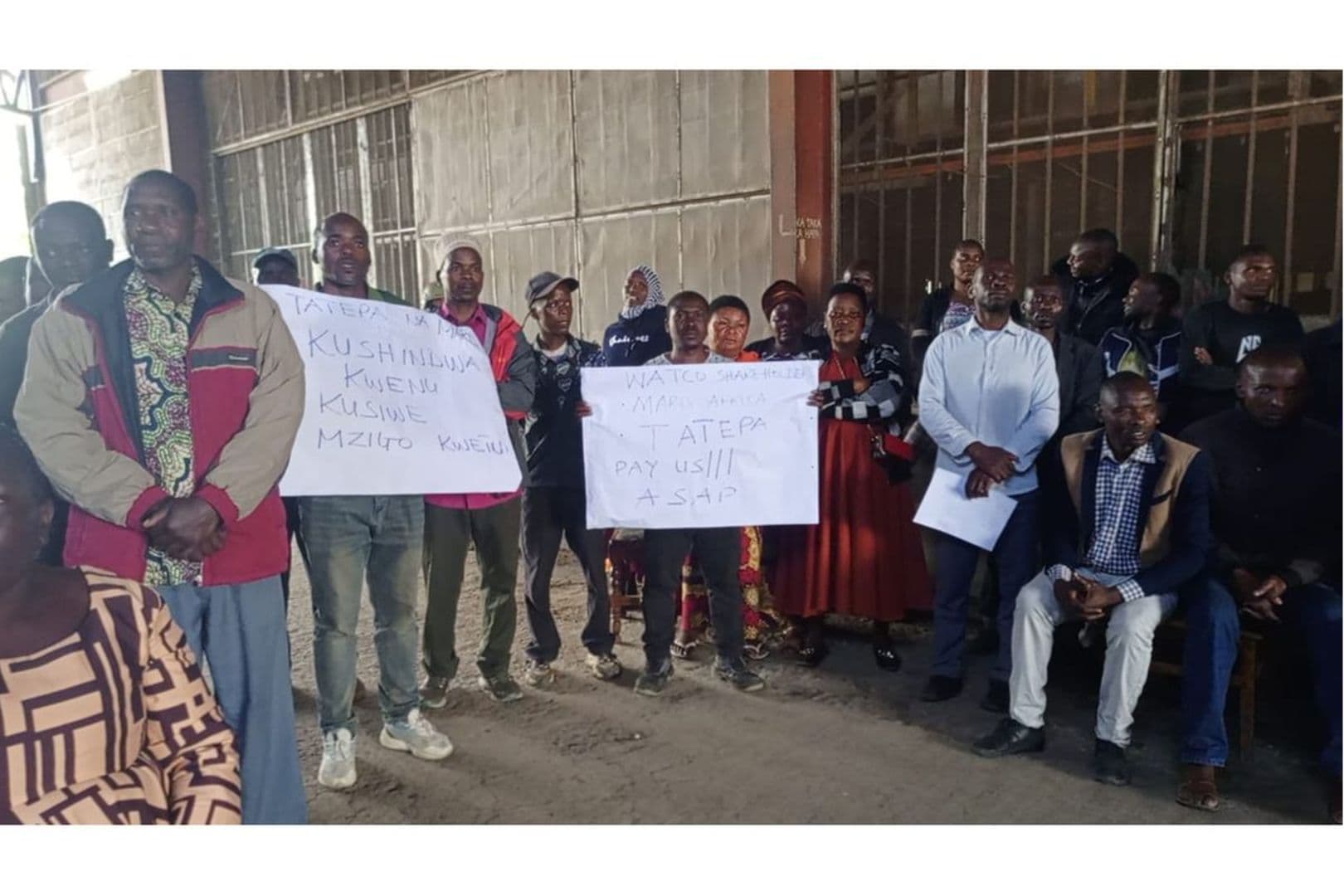
A deepening labour and financial crisis has hit Tanzania's agricultural sector as tea factory workers officially downed their tools this week, protesting months of unpaid wages.
As the cost of living continues to surge across East Africa, the strike exposes the fragile underbelly of the region's cash crop economy. The situation not only threatens the livelihoods of thousands of rural families but also sends a stark warning to neighboring Kenya regarding the volatile economics of the global tea trade.
The striking workers, many of whom form the backbone of the local rural economy, have reported severe financial distress. For months, they have continued to process the harvested green leaf without compensation, driven by empty promises from factory management. The breaking point arrived as inflation decimated their purchasing power, leaving families unable to afford basic necessities, school fees, and healthcare.
The management of these factories points to a perfect storm of external pressures. Fluctuating global tea prices at the Mombasa auction—the primary trading hub for East African tea—combined with high operational costs, exorbitant energy tariffs, and punitive taxation, have severely constrained liquidity. Consequently, the factories claim they are unable to meet their payroll obligations, creating a vicious cycle of debt and operational paralysis.
However, labor unions and worker representatives have vehemently rejected these justifications. They accuse the factory owners of gross financial mismanagement, lack of transparency, and prioritizing profit repatriation over the welfare of their most critical asset—the workers.
While this crisis is currently localized within Tanzania, its reverberations are acutely felt across the border in Kenya. Kenya, the world's leading exporter of black tea, has recently undergone massive, painful reforms within the Kenya Tea Development Agency (KTDA) to avert exactly this kind of systemic collapse.
Kenyan policymakers and agricultural stakeholders are watching the Tanzanian strike closely. It serves as a grim reminder of what happens when the value chain is not optimized to protect the primary producer. If Tanzanian tea exports drop significantly due to the strike, it could temporarily alter supply dynamics at the Mombasa auction, potentially causing a brief, artificial spike in prices for Kenyan tea.
The resolution to this crisis requires more than a temporary financial bailout. It demands a comprehensive restructuring of the agricultural financing model in East Africa. Governments must intervene to ensure strict regulatory oversight of private factories, guaranteeing that farmer and worker payments are escrowed and prioritized above all other operational expenditures.
Furthermore, there is a critical need for value addition. As long as East African countries continue to export raw, bulk black tea, they will remain highly vulnerable to the whims of global commodity price fluctuations. Investing in local packaging, branding, and specialized tea varieties is the only sustainable pathway to increasing profit margins and ensuring fair wages for factory workers.
"When the hands that process our most valuable export cannot afford to feed their own children, the entire economic model of our agricultural sector has fundamentally failed."
Keep the conversation in one place—threads here stay linked to the story and in the forums.
Sign in to start a discussion
Start a conversation about this story and keep it linked here.
Other hot threads
E-sports and Gaming Community in Kenya
Active 9 months ago
The Role of Technology in Modern Agriculture (AgriTech)
Active 9 months ago
Popular Recreational Activities Across Counties
Active 9 months ago
Investing in Youth Sports Development Programs
Active 9 months ago