We're loading the full news article for you. This includes the article content, images, author information, and related articles.
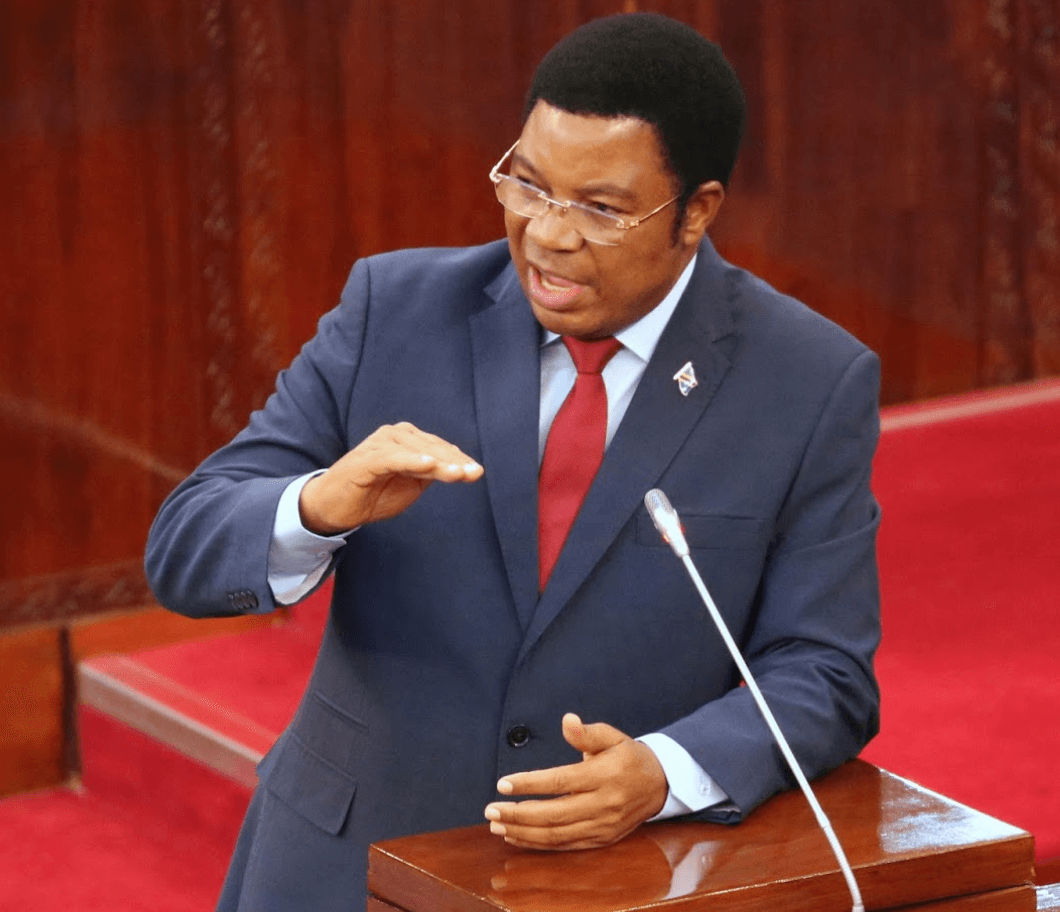
Prime Minister Kassim Majaliwa launches a comprehensive review of land conflicts threatening national cohesion, demanding accountability from local authorities.

Prime Minister Kassim Majaliwa launches a comprehensive review of land conflicts threatening national cohesion, demanding accountability from local authorities.
The Tanzanian government has initiated an aggressive, comprehensive review of persistent land disputes nationwide, aiming to find lasting, equitable solutions to an issue that has increasingly threatened peace and national cohesion.
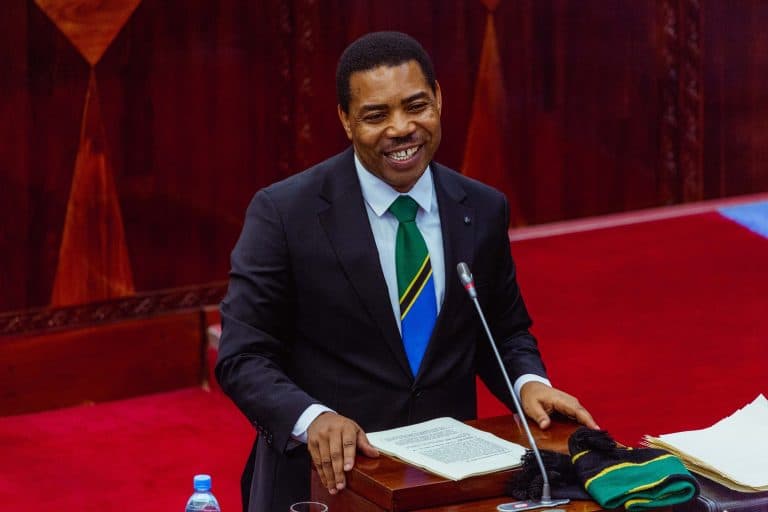
This decisive intervention by Prime Minister Dr. Mwigulu Nchemba underscores a critical realization: unresolved land tenure issues are not just administrative headaches, but potent catalysts for social unrest that can severely derail agricultural output and foreign investment.
Speaking during a high-stakes working visit to Babati Town in the Manyara Region, Prime Minister Nchemba delivered a stark warning. He noted that the chronic nature of these conflicts—pitting farmers against pastoralists, and local communities against large-scale investors—has begun to seriously endanger the peaceful coexistence that Tanzania has long prided itself upon. "We cannot allow this matter to dominate our lives, and it is unacceptable for the same problem to exist in every corner of the country," Dr. Nchemba asserted. He specifically highlighted recurring, explosive disputes and stalled developmental projects in regions such as Arusha, Tanga, and Kilimanjaro, areas critical to the nation's agricultural and tourism sectors.
In a major policy shift aimed at decentralizing conflict resolution, the Prime Minister has issued strict directives to Local Government Authorities (LGAs). He lambasted the prevailing bureaucratic inertia, where citizens’ desperate complaints are routinely ignored by grassroots leaders, forcing them to escalate minor disputes all the way to the regional or presidential level. To counter this, village executive officers, ward executives, and district commissioners are now mandated to submit rigorous monthly reports detailing the exact number of land complaints received and, crucially, the number conclusively resolved. This data-driven approach aims to identify administrative bottlenecks and hold local leaders personally accountable for the stability of their jurisdictions.
Tanzania’s aggressive pivot on land reform resonates deeply within Kenya, a nation similarly scarred by historical land injustices and perennial conflicts over communal grazing lands and private title deeds. Both East African powerhouses are realizing that modernizing land registries and enforcing swift, transparent dispute resolution mechanisms are foundational prerequisites for unlocking their economic potential and ensuring long-term domestic tranquility.
"Land is the ultimate bedrock of our economy and our identity; securing it is the first duty of any responsible government," the Prime Minister affirmed.
Keep the conversation in one place—threads here stay linked to the story and in the forums.
Sign in to start a discussion
Start a conversation about this story and keep it linked here.
Other hot threads
E-sports and Gaming Community in Kenya
Active 9 months ago
The Role of Technology in Modern Agriculture (AgriTech)
Active 9 months ago
Popular Recreational Activities Across Counties
Active 9 months ago
Investing in Youth Sports Development Programs
Active 9 months ago
Key figures and persons of interest featured in this article