We're loading the full news article for you. This includes the article content, images, author information, and related articles.
Months after October unrest, citizens recount the economic and social scars of lost peace, warning that stability is fragile and must be actively nurtured.
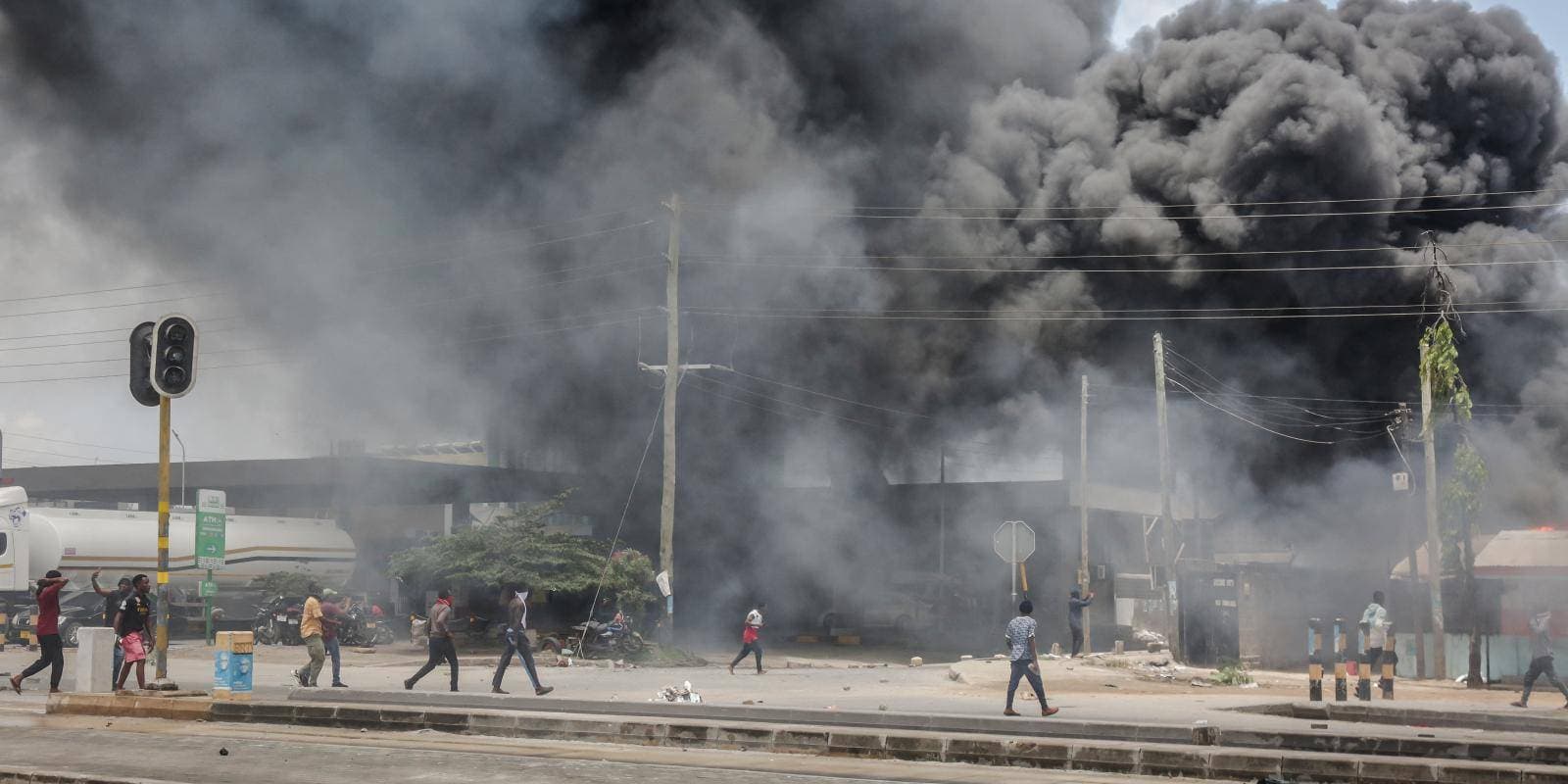
Four months after the smoke cleared, the scars remain visible. The violent unrest that gripped Tanzania following the October 29, 2025 general election has forced a painful national reckoning. As the "Island of Peace" counts the cost of five days of madness, citizens and economists alike are asking: Can the nation afford to forget the lesson?
The events of late October shattered Tanzania's carefully cultivated image as a sanctuary of stability in a volatile region. What began as political protests rapidly degenerated into widespread disorder, paralyzing major cities like Dar es Salaam and Arusha. Today, as businesses slowly rebuild and transport networks normalize, the true price of that instability is becoming clear—not just in shillings lost, but in the shaken confidence of a people who believed they were immune to such strife.
For the average Tanzanian, the macro-political dispute translated into immediate micro-economic disaster. Deodatus Kajilo, a minibus driver plying the Mbezi-Bagamoyo route, represents millions who live hand-to-mouth. "I was unable to operate for a week," Kajilo recalls, the anxiety still evident in his voice. "My coaster was locked in the yard. For seven days, my family had no income. We were eating into savings that didn't exist."
His story is repeated across the informal sector, which drives the Tanzanian economy. Markets were silenced, shops boarded up, and supply chains severed. Investors, both local and foreign, hit the pause button. The uncertainty premium has since been priced into the cost of doing business, with capital flows only now beginning to trickle back as assurance of stability returns.
The recovery has been steady but cautious. Government initiatives to compensate affected business owners and dialogue forums aimed at political reconciliation are steps in the right direction. However, civil society groups warn that "peace" defined merely as the absence of gunfire is insufficient. Sustainable stability requires addressing the root causes of the October outburst—youth unemployment, perceived electoral injustice, and the rising cost of living.
"Sustainable development cannot take root in an atmosphere of fear," notes a recent editorial from the Daily News. As Tanzania looks toward its Development Vision 2050, the memory of those five chaotic days serves as a stark guardrail. It is a reminder that the country's most valuable asset is not its gold or its gas, but its peace—and that asset is far more fragile than anyone dared to imagine.
Keep the conversation in one place—threads here stay linked to the story and in the forums.
Sign in to start a discussion
Start a conversation about this story and keep it linked here.
Other hot threads
E-sports and Gaming Community in Kenya
Active 9 months ago
The Role of Technology in Modern Agriculture (AgriTech)
Active 9 months ago
Popular Recreational Activities Across Counties
Active 9 months ago
Investing in Youth Sports Development Programs
Active 9 months ago