We're loading the full news article for you. This includes the article content, images, author information, and related articles.
DAR ES SALAAM: WHEN Tanzanians went to the polls on October 29 this year, many did so with a sense of civic duty and hope that the democratic process would pave the way for stability and continued development.
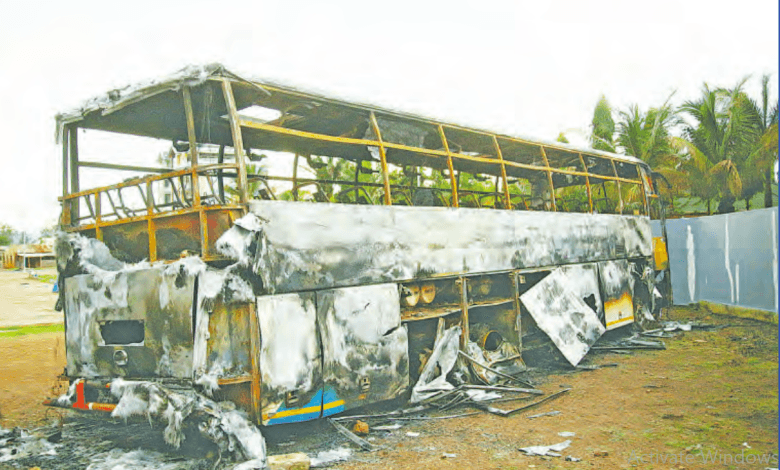
Following days of destructive post-election violence that severely disrupted the national economy, a unified chorus of Tanzanian citizens, religious leaders, and political figures is forcefully rejecting unrest and demanding a return to constitutional stability.
When the Tanzanian electorate cast their ballots on the 29th of October 2025, the overwhelming expectation was a peaceful continuation of the nation's democratic trajectory. Instead, the immediate aftermath plunged key municipalities into a chaotic spiral of vandalism, property destruction, and tragic loss of life, profoundly shaking the nation's foundational ethos of peace.
This urgent call for calm matters right now because the spectre of prolonged civil instability threatens to derail Tanzania's impressive foreign direct investment (FDI) inflows and destabilise the broader East African macroeconomic environment. As rumours of further protests swirl, the state is locked in a high-stakes battle to restore public confidence before the critical holiday commercial season is ruined.
The violence that erupted in multiple urban centres was characterised by sporadic, intense clashes that paralysed daily commerce. Mobs, primarily comprising disenfranchised youth, targeted both public infrastructure and private enterprises. Transport networks were severed, retail storefronts were looted, and the pervasive climate of fear forced countless informal traders to abandon their livelihoods.
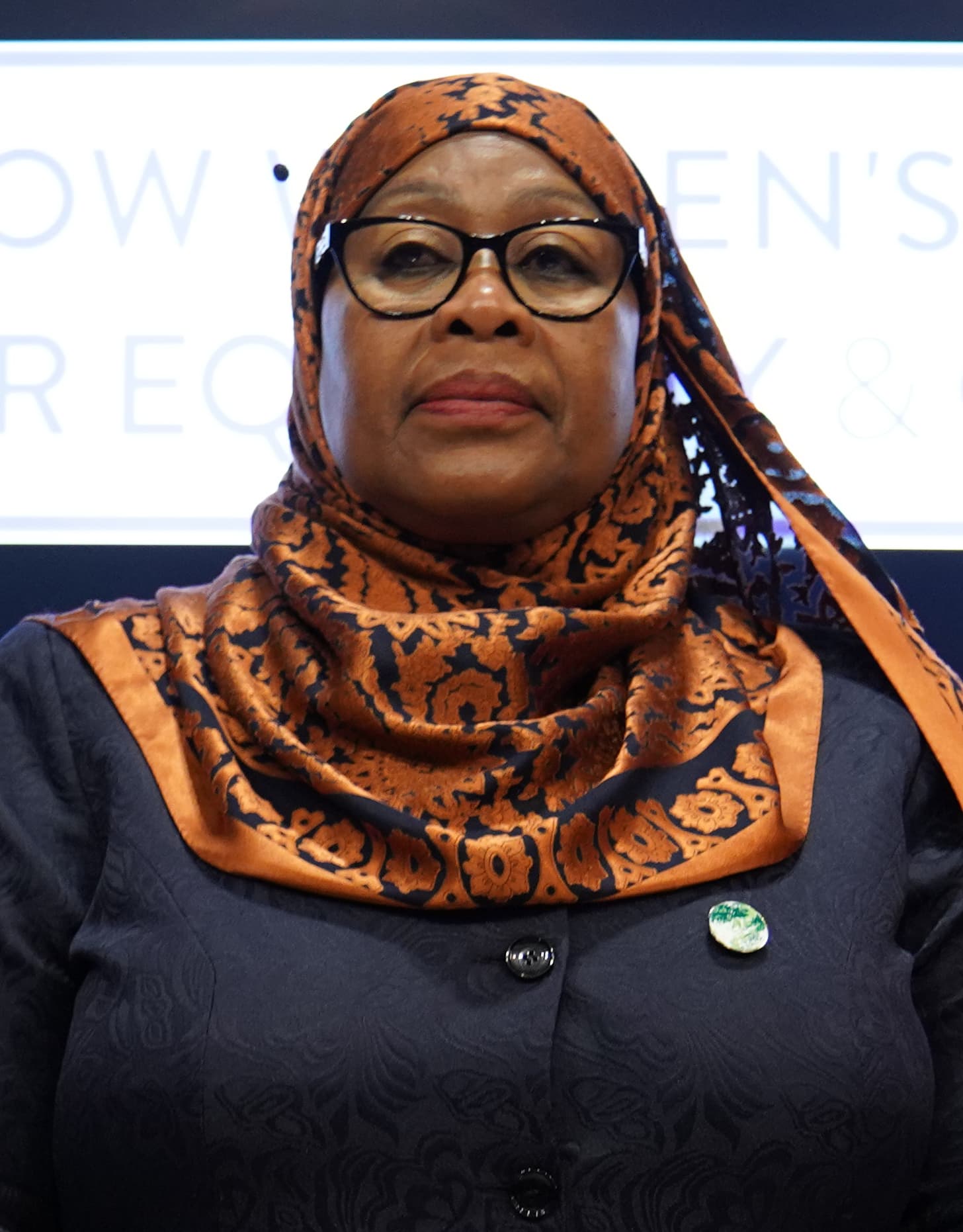
President Samia Suluhu Hassan responded with swift, unequivocal condemnation. In a nationally broadcast address, she firmly underscored that violent agitation is structurally incompatible with legitimate political grievance resolution. Her administration has launched an urgent appeal for constructive dialogue, warning that the destruction of public utilities only serves to impoverish the very communities demanding systemic change.
The state's plea for order has been massively amplified by a coalition of influential religious authorities. From the pulpits of Dar es Salaam to rural mosques across the interior, spiritual leaders are preaching a doctrine of restraint and national cohesion. They argue that the social fabric of Tanzania—long celebrated as a beacon of stability in a volatile continent—must not be sacrificed on the altar of partisan dispute.
The anxiety reached a fever pitch following unverified reports that protest organisers intended to reignite nationwide demonstrations on the 9th of December, subsequently postponing the threat to Christmas Day. The prospect of urban warfare during the peak festive retail season—a period critical for the survival of thousands of merchants—has galvanised public opposition to the protest movement.
For observers in Nairobi, the unrest in Tanzania evokes visceral memories of Kenya's own tumultuous political history, particularly the devastating Gen-Z protests of mid-2024 that crippled the Kenyan economy and forced brutal fiscal recalibrations. The East African Community (EAC) is a deeply interconnected economic organism; instability in Dar es Salaam inevitably triggers supply chain bottlenecks and investor hesitance in Mombasa and Kampala.
Kenya's experience vividly demonstrates the long-term economic scarring inflicted by political violence. Capital flight is notoriously swift, and the premium on sovereign debt skyrockets when political risk indices flash red. Tanzanian civil society is seemingly learning from these regional precedents in real-time, recognising that the ultimate cost of infrastructure repair and capital flight is invariably borne by the taxpayer, effectively stifling budgets for health, education, and youth empowerment.
As the Commission of Inquiry, spearheaded by Justice Othman Chande, extends its mandate to forensically investigate the root causes of the electoral violence, the focus must shift to restorative justice and institutional transparency. The government is tasked with the delicate balancing act of enforcing the rule of law without suppressing legitimate, peaceful dissent.
The resounding message from the Tanzanian street is clear: the right to protest does not constitute a license to destroy. A food vendor in Tegeta shares the exact same fundamental priority as a corporate executive in the central business district—a stable, predictable environment in which to generate wealth and secure their family's future.
"True patriotism is not forged in the fires of burning infrastructure, but in the quiet, unyielding commitment to building a nation where dialogue conquers destruction."
Keep the conversation in one place—threads here stay linked to the story and in the forums.
Sign in to start a discussion
Start a conversation about this story and keep it linked here.
Other hot threads
E-sports and Gaming Community in Kenya
Active 9 months ago
The Role of Technology in Modern Agriculture (AgriTech)
Active 9 months ago
Popular Recreational Activities Across Counties
Active 9 months ago
Investing in Youth Sports Development Programs
Active 9 months ago
Key figures and persons of interest featured in this article