We're loading the full news article for you. This includes the article content, images, author information, and related articles.
Mauritius faces a critical economic juncture as structural imbalances, political inertia, and a looming FATF review threaten to strip the island nation of its coveted investment-grade credit rating
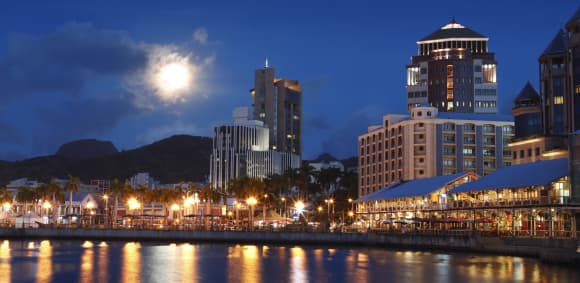
The Republic of Mauritius, long heralded as Africa's premier financial hub, is teetering on the precipice of a severe economic downgrade.
Losing its investment-grade status would trigger a catastrophic exodus of foreign capital, severely undermining its reputation and sending shockwaves through the broader African financial ecosystem that relies on its stability.
For decades, Mauritius punched significantly above its weight, leveraging strong institutions, regulatory credibility, and an open economy to attract massive global investment. However, the post-pandemic reality has laid bare deep, unaddressed structural cracks. The economy is currently paralyzed by inertia. Following the 2024 elections, anticipated sweeping reforms have stalled, leaving both citizens and international investors deeply anxious. Moody's has already placed the country on negative watch, a glaring red flag that the foundational pillars of the Mauritian economy are shaking.
A major symptom of this malaise is the volatile foreign exchange market. What began as a temporary shortage has calcified into a structural imbalance, characterized by currency hoarding and a flourishing parallel market. The Bank of Mauritius has been criticized for merely smoothing volatility rather than implementing decisive interventions to restore equilibrium to the Rupee.
The potential downgrade of Mauritius is not an isolated event; it is a regional crisis. Many Kenyan and East African conglomerates utilize Mauritian offshore structures for tax efficiency and capital routing. A downgrade would instantly increase borrowing costs and complicate international trade mechanisms for these entities.
To avert disaster, the Mauritian government must immediately restore institutional trust. This requires aggressive policy consistency, transparent regulatory frameworks, and efficient work permit systems to reignite competitive growth. The window for corrective action is rapidly closing.
The Mauritian economic engine requires a complete overhaul, not mere tinkering. The global financial community is watching closely, demanding proof of resilience and disciplined governance.
"Reputation takes decades to build but only moments to shatter; Mauritius must act decisively to secure its economic legacy."
Keep the conversation in one place—threads here stay linked to the story and in the forums.
Sign in to start a discussion
Start a conversation about this story and keep it linked here.
Other hot threads
E-sports and Gaming Community in Kenya
Active 9 months ago
The Role of Technology in Modern Agriculture (AgriTech)
Active 9 months ago
Popular Recreational Activities Across Counties
Active 9 months ago
Investing in Youth Sports Development Programs
Active 9 months ago