We're loading the full news article for you. This includes the article content, images, author information, and related articles.
In a decisive move against corruption, Tanzania's Public Procurement Appeals Authority has blocked 43 risky tenders, saving taxpayers approximately KES 29.3 billion.
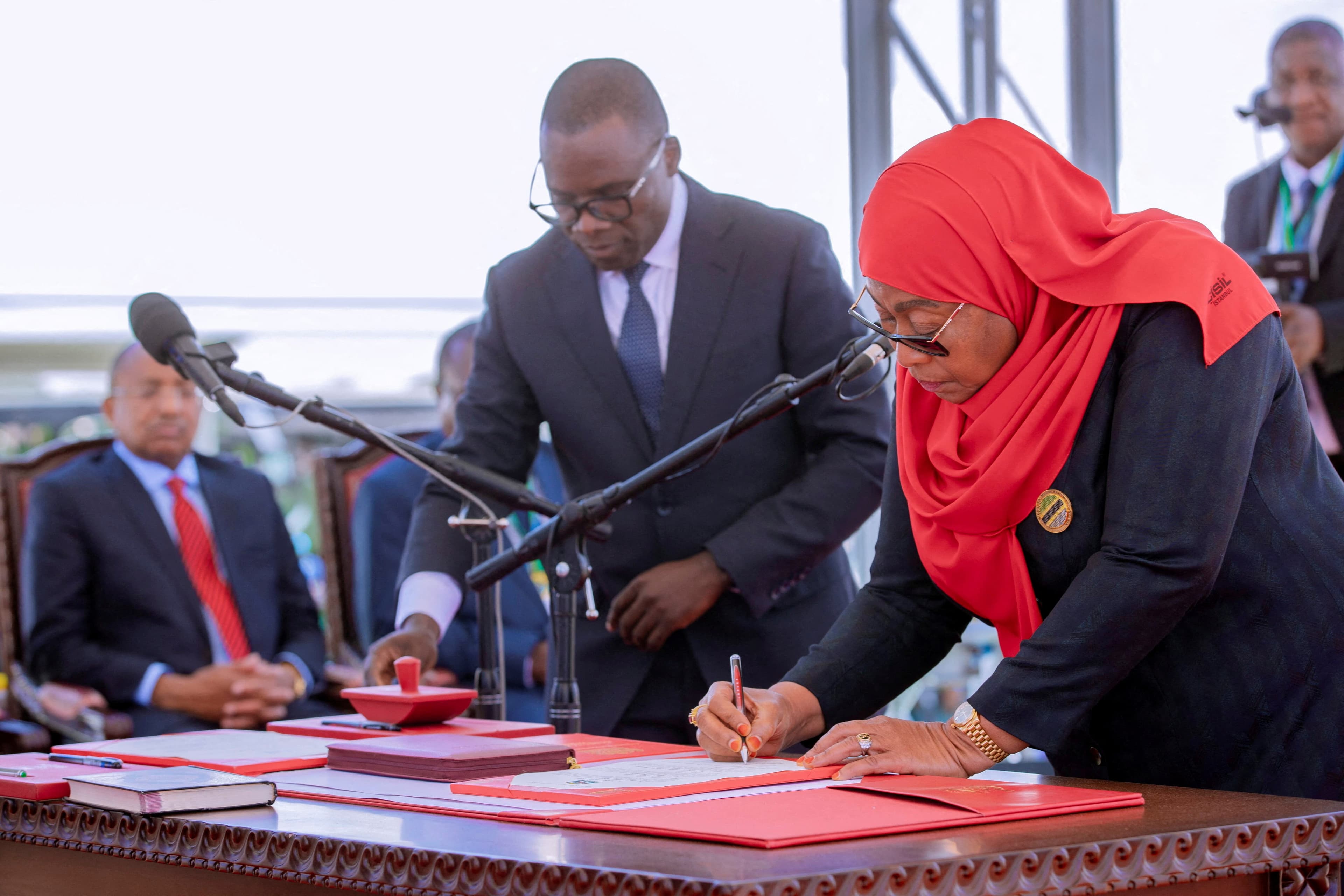
In a massive victory for fiscal transparency, Tanzania's Public Procurement Appeals Authority (PPAA) has intercepted and blocked 43 questionable government tenders worth approx. KES 29.3 billion, preventing financial hemorrhage to unqualified contractors.
The unprecedented crackdown exposes the deep-rooted vulnerabilities within public supply chains, sending a chilling warning to corrupt cartels attempting to loot taxpayer funds through manipulated contracting processes.
This decisive action highlights a pivotal shift in East African governance. As regional economies grapple with crushing debt burdens and constrained national budgets, sealing procurement loopholes has become a life-or-death survival strategy for governments desperate to fund critical infrastructure and social services.
Addressing the press in Dodoma, PPAA Executive Secretary James Sando revealed the staggering scale of the averted disaster. The 43 blocked tenders were initially poised to be awarded to corporations that woefully lacked both the financial muscle and the technical expertise required to execute complex public projects. This intervention was not a mere administrative footnote but a calculated surgical strike against systemic corruption.
By halting these lucrative contracts, the PPAA has shielded the Tanzanian taxpayer from the notorious phenomenon of "white elephant" projects—half-completed public works that consume billions before ultimately stalling due to contractor incompetence. This proactive approach ensures that state resources are allocated strictly based on merit, capacity, and verifiable track records.
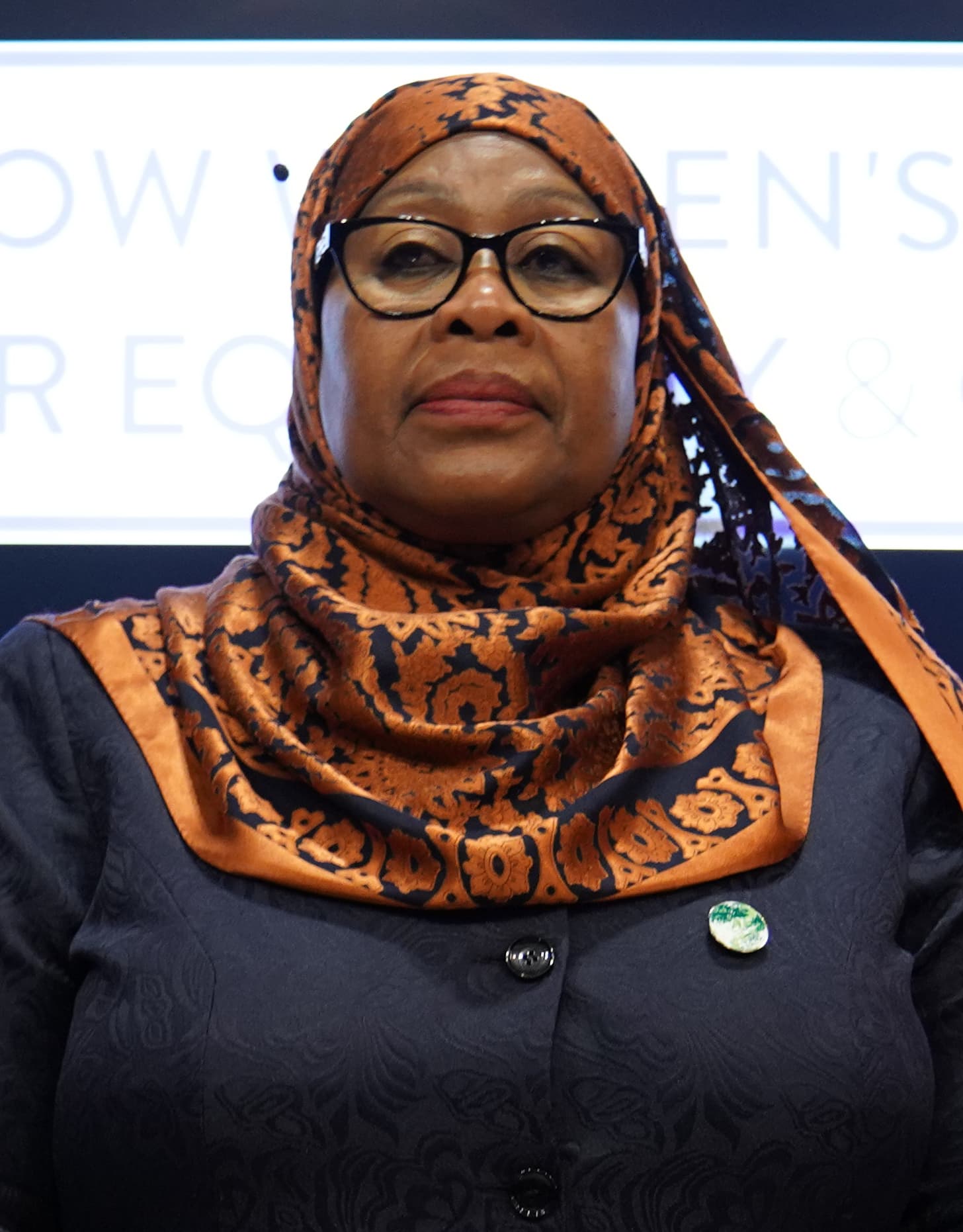
The blockage of funds amounting to nearly KES 29.3 billion is a testament to the strengthening of institutional firewalls under President Samia Suluhu Hassan. Her administration has aggressively championed a return to the rule of law, pushing for radical transparency in how public wealth is managed and distributed among private sector actors.
The success of this operation is deeply rooted in comprehensive legislative reforms designed to modernize and digitize the procurement landscape. The enactment of the Public Procurement Act of 2023, coupled with the stringent 2024 Regulations, has radically altered the operational dynamics of state contracting. These laws have effectively digitized the complaints process, making it significantly harder for corrupt officials to bury appeals in bureaucratic red tape.
One of the most transformative aspects of these reforms is the drastic reduction in dispute resolution timelines. Previously, aggrieved bidders faced a protracted seven-day waiting period to file complaints; this has now been condensed to a strict five-day window. Similarly, accounting officers are now mandated to resolve these disputes within five working days, ensuring that legitimate grievances are addressed swiftly and transparently.
This expedited process has cultivated a renewed sense of trust among legitimate businesses. During President Hassan's tenure, the PPAA has recorded 196 formal appeals, a clear indicator that the private sector now believes in the efficacy and impartiality of the state's dispute resolution mechanisms.
For Kenya and the broader East African Community, Tanzania's aggressive stance against procurement fraud offers a compelling blueprint for anti-corruption strategies. Kenya, much like its southern neighbor, has historically battled crippling procurement scandals that have seen billions of shillings lost to phantom contractors and overpriced government supplies.
Tanzania's success in blocking these 43 tenders underscores the critical necessity of an independent, empowered, and technologically advanced appeals authority. It demonstrates that when oversight bodies are shielded from political interference and equipped with modern legislative tools, they can effectively dismantle entrenched corrupt networks.
Furthermore, standardizing procurement integrity across East Africa is vital for regional economic integration. As countries collaborate on massive cross-border infrastructure projects—such as the Standard Gauge Railway extensions and regional energy grids—ensuring that all contractors meet rigorous technical and financial standards is essential for the collective prosperity of the region.
The actions of the PPAA signal a definitive end to the era of unchecked public sector looting. By aggressively vetting the capacity of prospective contractors, the state is prioritizing the long-term sustainability of its infrastructure over the short-term enrichment of politically connected elites.
"This achievement stands out as one of the most tangible governance milestones, reinforcing fairness and safeguarding value for money in public spending," concluded Mr. Sando, signaling a permanent paradigm shift in East African public finance.
Keep the conversation in one place—threads here stay linked to the story and in the forums.
Sign in to start a discussion
Start a conversation about this story and keep it linked here.
Other hot threads
E-sports and Gaming Community in Kenya
Active 9 months ago
The Role of Technology in Modern Agriculture (AgriTech)
Active 9 months ago
Popular Recreational Activities Across Counties
Active 9 months ago
Investing in Youth Sports Development Programs
Active 9 months ago
Key figures and persons of interest featured in this article