We're loading the full news article for you. This includes the article content, images, author information, and related articles.
As opposition groups mobilize for mass demonstrations on December 9, the newly appointed Prime Minister warns against chaos, while police fortify Dar es Salaam in a high-stakes test of President Samia’s second term.
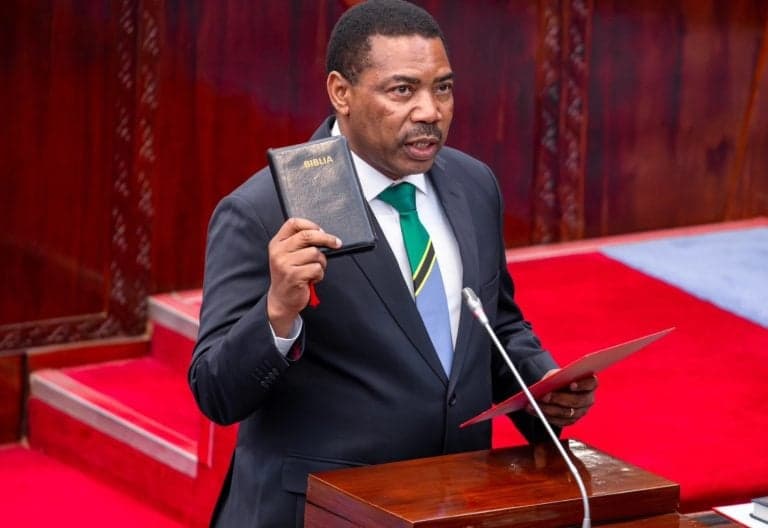
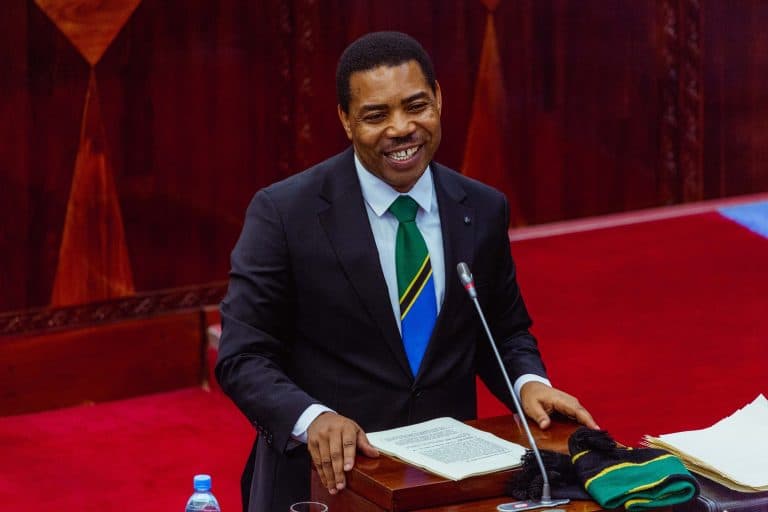
Tanzania’s newly appointed Prime Minister, Mwigulu Nchemba, has issued a stark appeal to citizens to shun nationwide protests planned for tomorrow, December 9, warning that the government will not tolerate a repeat of the post-election violence that rocked the nation just weeks ago. The plea comes as security forces flood the streets of Dar es Salaam and Dodoma, bracing for what opposition activists have dubbed “D9”—a mass rejection of the October 29 general election results coinciding with the country’s 64th Independence Day.
Speaking from the capital, Nchemba urged Tanzanians to treat the public holiday with “dignity and patriotism,” rather than using it as a platform for dissent. His comments serve as the final government salvo in a tense standoff between the ruling Chama Cha Mapinduzi (CCM) and a fractured but furious opposition. With key leaders like Tundu Lissu and Freeman Mbowe reportedly in custody facing treason-related charges, the administration is betting that a show of force combined with Nchemba’s rhetorical olive branch will keep the streets empty.
The tension gripping our southern neighbor is not sudden. It is the aftershock of the October 29 polls, where President Samia Suluhu Hassan was declared the winner with a staggering 98% of the vote—a margin that independent observers and rights groups have labeled a “coronation” rather than a contest. The aftermath saw a brutal crackdown; opposition party Chadema alleges that hundreds of protesters were killed or abducted in November, a claim the government vehemently denies.
“We cannot allow our independence celebrations to be hijacked by those who wish to burn the country down,” Nchemba noted in his address, framing the planned demonstrations as foreign-sponsored anarchy. However, for the activists organizing via encrypted apps, December 9 is symbolic. They argue that true independence remains elusive as long as the democratic space is suffocated.
For Kenyans, the instability in Tanzania is more than just a neighborly concern; it is an economic threat. The Port of Dar es Salaam, a critical artery for the East African hinterland, faces potential disruptions. Police intelligence has allegedly uncovered plots to blockade port access roads, a move that could strangle the flow of goods into Rwanda, Burundi, and the DRC.
The global community has stopped being polite. The United States Embassy in Tanzania issued a high-level security alert this week, explicitly advising its citizens to shelter in place on December 9. Furthermore, the Commonwealth Ministerial Action Group has placed Tanzania on a watchlist, citing “grave violations” of the democratic charter. This diplomatic isolation puts President Samia’s reformist reputation—carefully cultivated during her first term—at severe risk.
Despite the warnings, the atmosphere in Arusha and Mwanza remains volatile. While the police have declared the protests illegal, the decentralized nature of the “D9” movement makes it difficult to decapitate. As the sun rises on Independence Day, the region holds its breath, waiting to see if Mwigulu Nchemba’s words will be heeded, or if the streets will speak for themselves.
Keep the conversation in one place—threads here stay linked to the story and in the forums.
Sign in to start a discussion
Start a conversation about this story and keep it linked here.
Other hot threads
E-sports and Gaming Community in Kenya
Active 9 months ago
The Role of Technology in Modern Agriculture (AgriTech)
Active 9 months ago
Popular Recreational Activities Across Counties
Active 9 months ago
Investing in Youth Sports Development Programs
Active 9 months ago
Key figures and persons of interest featured in this article