We're loading the full news article for you. This includes the article content, images, author information, and related articles.
President Ruto’s cabinet has approved a plan to register the new National Infrastructure Fund as a limited liability company, a move critics warn is a deliberate attempt to bypass constitutional safeguards and public oversight.
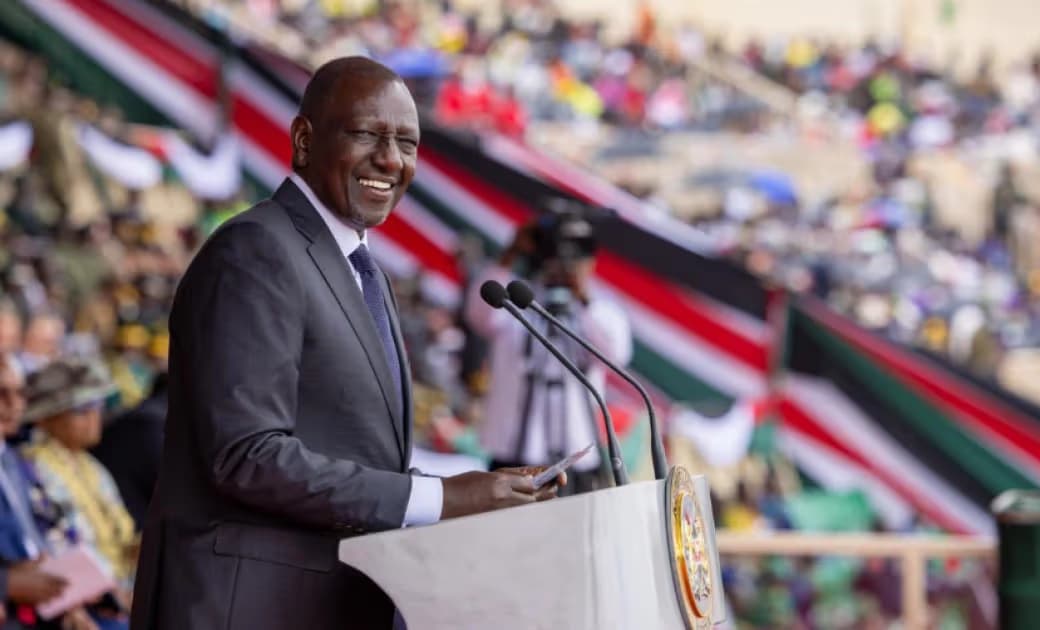
In a bold and controversial move, President William Ruto’s administration is pushing forward with a KES 5 trillion (approx. $38.5 billion) infrastructure war chest, structured in a way that could place it beyond the reach of public watchdogs. The Cabinet approved the establishment of the National Infrastructure Fund as a limited liability company (LLC) on Monday, a decision hailed by the government as an innovative way to finance development but decried by constitutional experts as a dangerous sidestep of accountability.
This fund is the centerpiece of the government's strategy to deliver on its ambitious development promises without sinking the country deeper into debt. The administration argues that by operating as a private entity, the fund will be nimble enough to attract significant private investment, aiming to turn every government shilling into ten from the private sector. The goal is to shift away from Kenya's debt-heavy financing model, which has seen public debt swell to nearly KES 11.7 trillion.
The decision to structure the massive fund as an LLC, rather than a state corporation or a fund established by an Act of Parliament, has ignited a firestorm of criticism. Critics, including constitutional lawyer Willis Otieno, warn that this design deliberately removes the fund from the oversight of Parliament and the Auditor-General. According to this view, public money channelled into the LLC would escape the strict rules of the Constitution, which mandate that all government revenue be paid into the Consolidated Fund and spent only after parliamentary approval.
Kiharu MP Ndindi Nyoro described the plan as “borrowing outside the book,” alleging it is a maneuver to take on more debt without it reflecting on the official national balance sheet. The core fear is that billions in public assets, earmarked for sale to seed the fund, could be managed and spent in the dark, without the public or their elected representatives having a say.
The government insists this new model is essential for jumpstarting critical projects that will ultimately benefit every Kenyan. The funds are intended to power the next wave of the Vision 2030 agenda. Key projects slated for financing include:
To raise the initial capital, the state plans to sell off mature public assets, with proceeds from the recent 15% stake sale in Safaricom and the planned privatization of the Kenya Pipeline Company being funnelled into the fund. Treasury Cabinet Secretary John Mbadi has defended the model, stating it will crowd in private capital for these transformative projects, reducing the burden on the taxpayer.
While the government paints a picture of a modern, efficient financing vehicle that will build roads, dams, and power plants, the debate now raging is about the cost of that efficiency. As the National Infrastructure Fund bill heads to Parliament, the central question remains: is this an innovative solution to Kenya's development needs, or a constitutional gamble that trades accountability for speed?
Keep the conversation in one place—threads here stay linked to the story and in the forums.
Sign in to start a discussion
Start a conversation about this story and keep it linked here.
Other hot threads
E-sports and Gaming Community in Kenya
Active 10 months ago
The Role of Technology in Modern Agriculture (AgriTech)
Active 10 months ago
Popular Recreational Activities Across Counties
Active 10 months ago
Investing in Youth Sports Development Programs
Active 10 months ago
Key figures and persons of interest featured in this article