We're loading the full news article for you. This includes the article content, images, author information, and related articles.
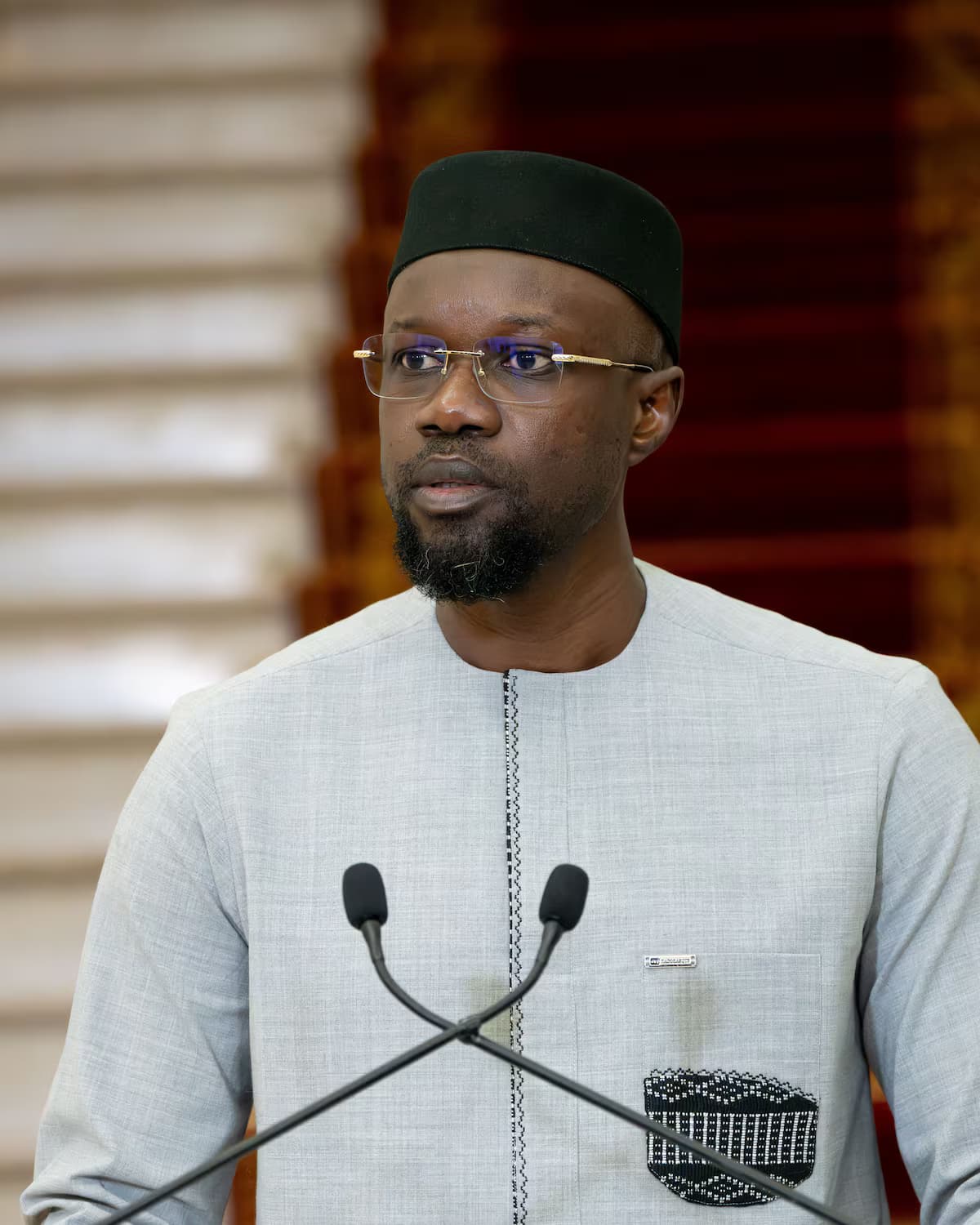
Senegalese Prime Minister Ousmane Sonko has introduced hardline legislation that doubles prison sentences for same-sex relations to a maximum of ten years.
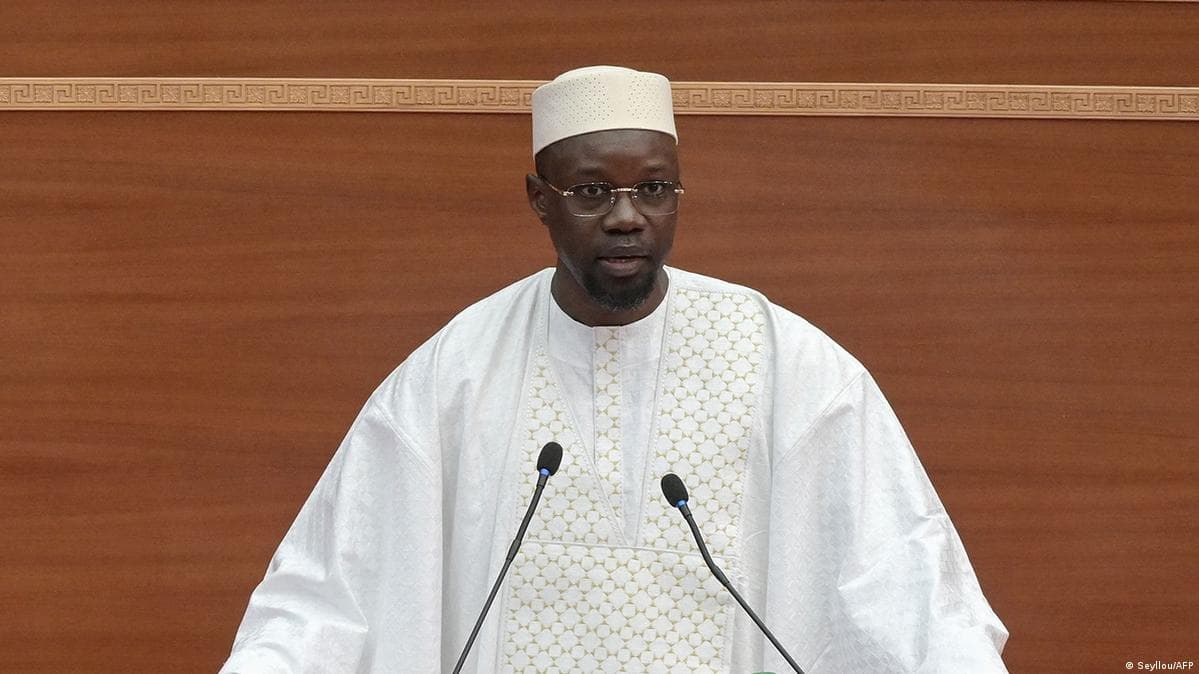
Senegalese Prime Minister Ousmane Sonko has dramatically escalated the nation's crackdown on LGBTQ+ rights, introducing hardline legislation that doubles prison sentences for same-sex relations to a maximum of ten years.
The deeply conservative West African nation is moving to heavily fortify its already strict penal code, aiming to criminalize both the act and the public promotion of homosexuality with unprecedented severity.
This aggressive legislative pivot fulfills a central campaign promise of the ruling administration, placing Senegal squarely at the center of an intensifying continental debate over human rights, cultural sovereignty, and international diplomatic relations.
Addressing the National Assembly, Prime Minister Ousmane Sonko formally presented a draft bill that radically alters Article 319 of the Senegalese Penal Code. Currently, individuals convicted of "unnatural acts with an individual of the same sex" face between one and five years behind bars. The newly proposed legislation seeks to double this, demanding a draconian five to ten years in prison. The financial penalties are equally severe, with maximum fines catapulting to 10 million CFA francs (approximately KES 2.1 million).
Sonko, known for his populist and fiercely nationalistic rhetoric, adopted an uncompromising stance during the parliamentary session. He explicitly dictated that judicial leniency would be eradicated. "If an act is committed with a minor, the maximum penalty will be mandatory. The presiding judge will be legally prohibited from granting a suspended sentence or reducing the imprisonment below the minimum term," the Prime Minister stated.
Perhaps the most chilling aspect of the proposed bill for human rights advocates is its dangerously broad expansion of what constitutes an offense. Beyond punishing physical intimacy, the legislation specifically targets the ideological promotion of LGBTQ+ rights. Anyone found guilty of advocating for same-sex relations, whether through journalism, non-governmental organizations, or digital platforms, risks facing separate prison terms ranging from three to seven years.
The Senegalese Minister of Culture, Amadou Ba, publicly reinforced this, stating that any entity promoting "LGBT philosophy" through cinema, literature, or broadcast media would face immediate legal prosecution, framing such ideologies as a direct assault on Senegalese customs and Islamic traditions.
The introduction of the bill has triggered profound alarm among global human rights watchdogs. The legal maneuver arrives amid a deeply hostile climate; earlier this month, Senegal's elite gendarmerie forces executed a wave of highly publicized arrests, detaining at least a dozen men, including notable public figures, under the current anti-LGBT laws.
Researchers from organizations like Human Rights Watch warn that the law will inevitably legitimize state-sponsored violence, force the queer community deeper into the shadows, and severely compromise public health initiatives, particularly HIV/AIDS prevention programs. By criminalizing the mere discussion of LGBTQ+ issues, the state is effectively silencing all domestic advocacy networks.
Sonko has shrewdly weaponized the legislative push to score geopolitical points, framing Western condemnation as imperialistic interference. By accusing Western nations of fomenting political controversy and exporting immoral philosophies, the Prime Minister has successfully rallied powerful domestic religious organizations and conservative factions to his cause.
Senegal's actions are not occurring in a vacuum. This legislative hardening mirrors identical movements across the African continent, including the severe Anti-Homosexuality Act enacted in East Africa by Uganda, and the ongoing heated parliamentary debates in Kenya. As African nations increasingly assert cultural independence from Western diplomatic pressure, the clash over fundamental human rights continues to escalate into a defining geopolitical battleground.
"We are legally reinforcing our societal pillars; this legislation ensures our traditions are fiercely protected against all forms of foreign ideological imposition," declared the Senegalese administration.
Keep the conversation in one place—threads here stay linked to the story and in the forums.
Sign in to start a discussion
Start a conversation about this story and keep it linked here.
Other hot threads
E-sports and Gaming Community in Kenya
Active 9 months ago
The Role of Technology in Modern Agriculture (AgriTech)
Active 9 months ago
Popular Recreational Activities Across Counties
Active 9 months ago
Investing in Youth Sports Development Programs
Active 9 months ago
Key figures and persons of interest featured in this article