We're loading the full news article for you. This includes the article content, images, author information, and related articles.
The DCP Patron warns that ceding majority control of Kenya’s most profitable asset to Vodacom is a 'strategic blunder' that exposes the country’s digital sovereignty to foreign whims.

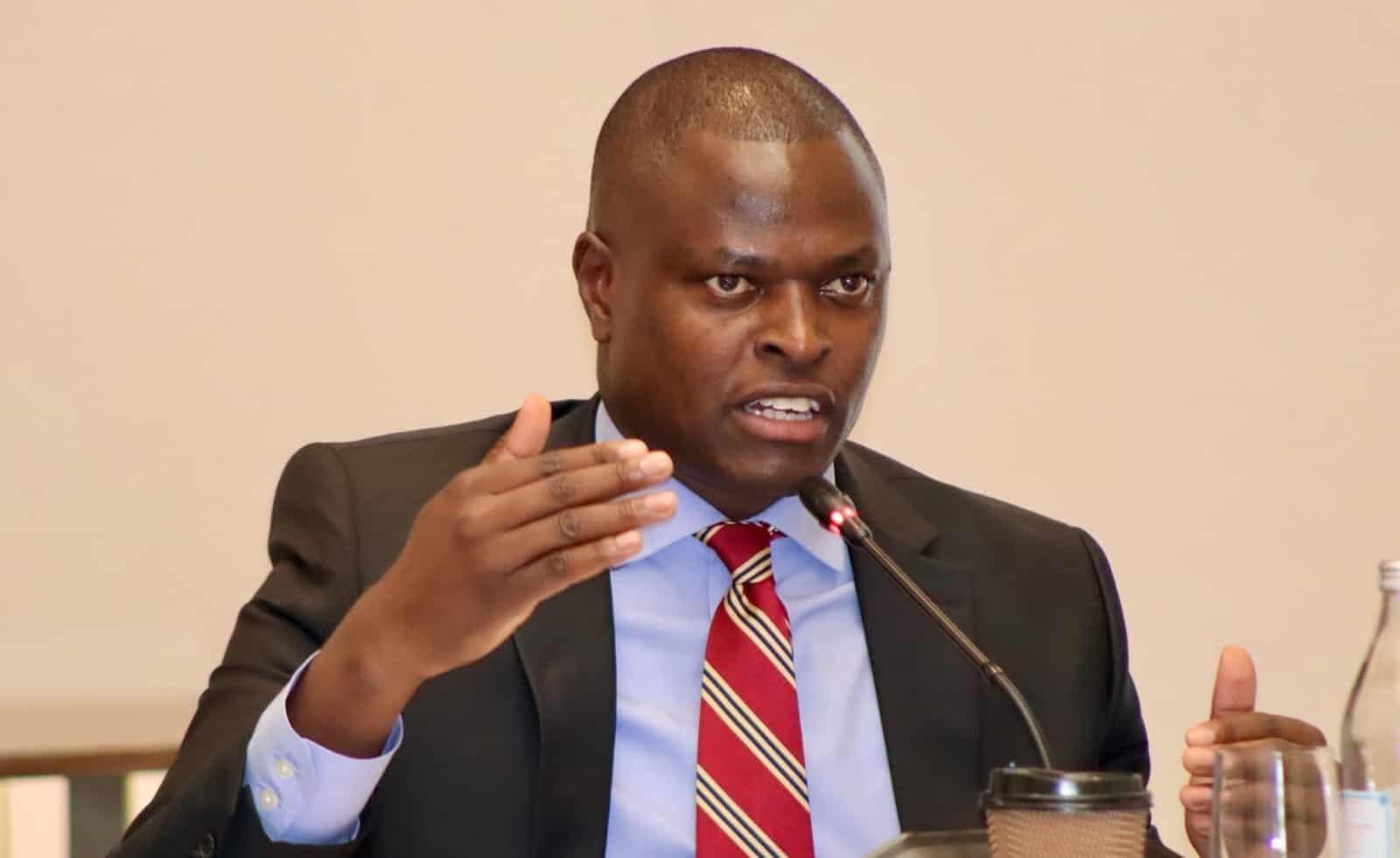
NAIROBI — In a blistering critique that has reignited the debate on national sovereignty, Irungu Nyakera, Patron of the Democracy for the Citizens Party (DCP), has slammed the government’s decision to offload a 15 percent stake in Safaricom to Vodacom Group, terming it a short-sighted gamble with Kenya’s economic crown jewel.
The deal, announced by the National Treasury earlier this week, will see the state reduce its shareholding from 35 percent to 20 percent, effectively handing majority control (55 percent) to the South African-based telco giant. While the Treasury expects to raise KES 244.5 billion ($1.8 billion) to plug infrastructure deficits, Nyakera argues the cost of losing strategic grip over the company that powers M-PESA is far too high.
Speaking from Nairobi yesterday, Nyakera did not mince words. He characterized the sale as a desperate measure to service debt at the expense of future revenue. "We are eating our children's inheritance," Nyakera noted in a statement. "Safaricom is not just a company; it is the nervous system of our economy. To surrender majority control to a foreign entity for a one-off cash injection is not just bad business; it is a betrayal of our strategic interests."
His sentiments echo a growing unease among Nairobi’s policy circles. For years, the government’s 35 percent stake served as a buffer, ensuring that decisions regarding M-PESA—which processes nearly half of Kenya’s GDP—remained anchored in local public interest. With Vodacom and Vodafone now holding a combined 55 percent, critics fear that profit repatriation could take precedence over local reinvestment.
Beyond the sovereignty question, questions are swirling regarding the valuation. Kiharu MP Ndindi Nyoro has also voiced strong opposition, suggesting the asset was undervalued. Nyakera aligned with this view, questioning why a company with such consistent billionaire profits was being diluted now.
"If you are selling a cow that gives you milk every day to buy a fence, you will soon starve behind that fence," Nyakera illustrated, using a metaphor that resonates deeply with the Kenyan mwananchi. He challenged the Treasury to explain why alternative revenue-raising measures were not exhausted before touching the 'Blue and Green' giant.
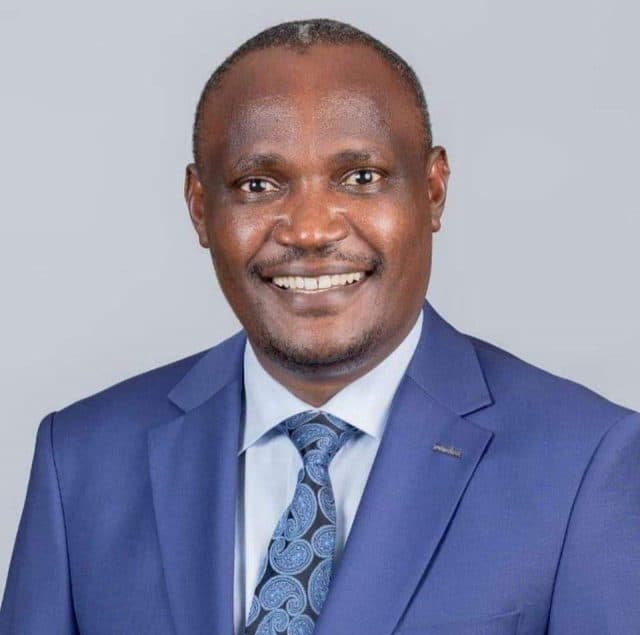
Treasury Cabinet Secretary John Mbadi has defended the move, insisting that the government retains a "significant" 20 percent stake and veto powers on critical board decisions. He emphasized that the KES 244.5 billion is urgently needed to complete stalled road and energy projects without borrowing more from the international market.
"This is a premium deal," Mbadi asserted, citing a 23.6 percent premium on the share price. "We are unlocking dead capital to build roads that Kenyans need today."
However, for Nyakera and the DCP, the math doesn't add up. "Infrastructure wears out; digital dominance grows," Nyakera warned. "We have traded a permanent seat at the table for a temporary meal."
Keep the conversation in one place—threads here stay linked to the story and in the forums.
Sign in to start a discussion
Start a conversation about this story and keep it linked here.
Other hot threads
E-sports and Gaming Community in Kenya
Active 9 months ago
The Role of Technology in Modern Agriculture (AgriTech)
Active 9 months ago
Popular Recreational Activities Across Counties
Active 9 months ago
Investing in Youth Sports Development Programs
Active 9 months ago
Key figures and persons of interest featured in this article