We're loading the full news article for you. This includes the article content, images, author information, and related articles.
Expert advice on choosing the perfect Valentine’s Day wine, from Italian classics to bold New World choices, focusing on personal taste over rigid rules.
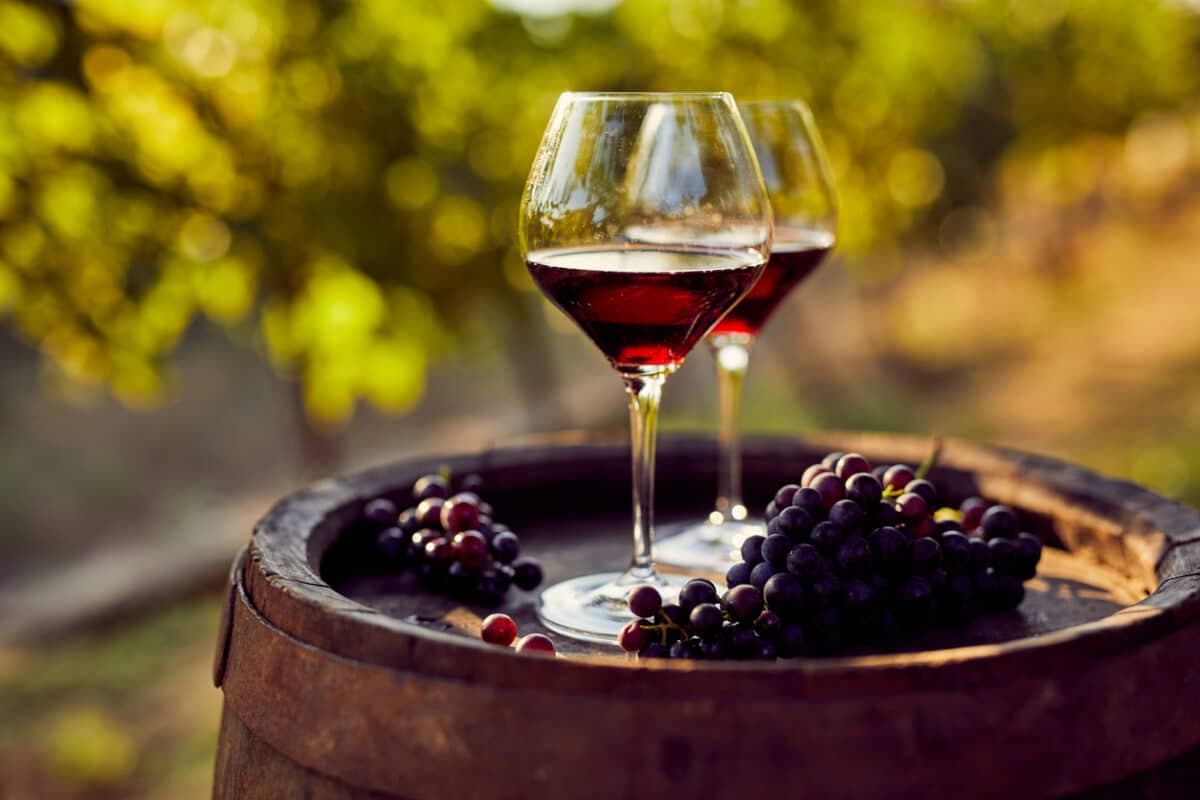
Editor’s note: This guide is written for adults of legal drinking age. Drink responsibly.
Panic in the wine aisle is a Valentine’s Day tradition: a wall of labels, the pressure to be romantic, and the fear of buying something “wrong.” The truth is simpler—and more freeing. The best bottle isn’t the most expensive, the most famous, or the most “correct.” It’s the one that fits the person and the moment.
That’s why this is designed as an evergreen field guide, not a February-only listicle. Use it for date nights, client gifting, family celebrations, and any dinner where you want the wine to quietly do its job: lift the mood, match the food, and spark conversation.
Wine “rules” are often treated like exams. In reality, pairing is less about rigid formulas and more about harmony—especially around acid, tannin, sweetness, and bubbles.
Acid refreshes and cuts through rich, creamy, or oily food.
Tannin grips and tends to work best with protein-rich dishes.
Sweetness softens heat and pairs well with salty or spicy food.
Bubbles reset the palate and are among the most versatile with food.
This is why strict “red with steak, white with fish” thinking routinely fails in real life: it ignores what you and your guests actually enjoy.
When time is short, choose a lane based on the person’s vibe.
If you want tradition without clichés, Italy remains the global heavyweight—not because it’s “fancy,” but because many of its famous wines are built for food and long conversations.
Barolo (Italy, Nebbiolo) is a benchmark for structure and aging. Barolo DOCG rules require long maturation—a minimum of 38 months, including at least 18 months in wood, and Riserva requires even longer.
Amarone della Valpolicella (Italy) is defined by appassimento—a technique where grapes are dried/“withered” before fermentation, concentrating flavor and body.
When to pick this lane: formal dinners, steak nights, “we’re dressing up” energy.
Sparkling wine is a cheat code for atmosphere. If the tone is relaxed and joyful, pick something lively.
A key distinction: Traditional method sparkling (e.g., Champagne) undergoes secondary fermentation in the bottle, while Charmat method sparkling (commonly associated with Prosecco) ferments in a tank, typically delivering a fruitier, more approachable style.
When to pick this lane: first dates, brunch, desserts, celebrations, anything with salty snacks.
The safest “premium” move is not a region—it’s an upgrade of a style they already enjoy.
If they love crisp whites, look for high-acid whites. If they love lighter reds, avoid heavy, tannic bottles.
Chenin Blanc is a standout for versatility: it can range from bone-dry to sweet, but typically carries bright acidity, keeping it fresh across styles.
When to pick this lane: gifting, mixed groups, and anyone who dislikes “too heavy” wine.
Value and quality often spike when you step slightly outside the most obvious French/Italian shelves. Chenin Blanc’s global strength today is frequently highlighted through South Africa’s strong expressions and range.
When to pick this lane: dinner parties, wine-curious dates, “surprise me” buyers.
Think in styles, not labels.
Best for: salty snacks, fried foods, seafood, sushi, light starters.
Why it works: bubbles + acidity cleanse the palate; it’s forgiving with many flavors.
Method note: bottle-fermented styles skew more complex; tank-fermented styles skew fruitier and easier.
Best for: seafood, salads, spicy food, creamy pasta (acid cuts richness).
How to spot it quickly: look for “fresh,” “crisp,” “citrus,” “mineral,” “high acidity.”
Best for: roast chicken, creamy sauces, mushrooms.
Chenin Blanc can swing into textured territory depending on winemaking choices like oak aging, lees aging, or malolactic fermentation.
Best for: pizza, grilled vegetables, salmon, roast pork, casual dinners.
How to spot it: notes like cherry/raspberry, “silky,” “light-bodied.”
Best for: grilled meat, stews, aged cheese.
Barolo note: its extended aging requirements and structure are part of what makes it a “slow wine” meant for time at the table.
Sweetness can be a pairing advantage—especially with spice, salty foods, or blue cheese. What matters is balance (sugar + acidity).
Use these simple matches:
Creamy / buttery / fried → high acidity (crisp whites, sparkling)
Grilled meats → structured reds (tannin + protein balance)
Spicy food → off-dry/sweeter whites (sweetness calms heat)
Tomato-based dishes → high-acid wines (prevents “flat” taste)
Snacks + conversation → sparkling (the universal crowd-pleaser)
Heat and sunlight can degrade wine. Prefer bottles stored away from direct light and heat sources.
A merchant’s best value isn’t always on the shelf at eye level. Ask:
“What’s your best bottle for a crisp, refreshing white?”
“I want something soft and not too heavy—what do you recommend?”
“What’s a great sparkling option that’s fruit-forward?”
Before you choose the bottle, choose the mood:
Playful: sparkling
Intimate: structured reds (Barolo lane)
Comforting: textured whites
Easy: light reds or crisp whites
Most people buy wine as a performance. The better buyers buy wine as a portrait: a bottle that reflects a person’s taste and the evening you’re building together.
If you’re leaning romantic, Italy delivers structure and ritual—Barolo’s long aging rules make it a literal investment in time, while Amarone’s dried-grape method concentrates warmth and depth.
If you’re leaning light, sparkling wine keeps the tone bright, and understanding method (bottle vs tank) helps you choose between complexity and playful fruit.
And if you want an evergreen “always works” option, Chenin Blanc’s acidity and range make it one of the world’s most useful grapes—easy to match with food, flexible across styles, and friendly to many palates.
The perfect bottle isn’t the one that proves you know wine. It’s the one that proves you know your guest.
Keep the conversation in one place—threads here stay linked to the story and in the forums.
Sign in to start a discussion
Start a conversation about this story and keep it linked here.
Other hot threads
E-sports and Gaming Community in Kenya
Active 9 months ago
The Role of Technology in Modern Agriculture (AgriTech)
Active 9 months ago
Popular Recreational Activities Across Counties
Active 9 months ago
Investing in Youth Sports Development Programs
Active 9 months ago