We're loading the full news article for you. This includes the article content, images, author information, and related articles.
Kenyan boarding schools are quietly grappling with a rise in same-sex relationships among female students, sparking a complex debate that forces parents and educators to navigate the intersection of adolescence, discipline, and cultural norms.
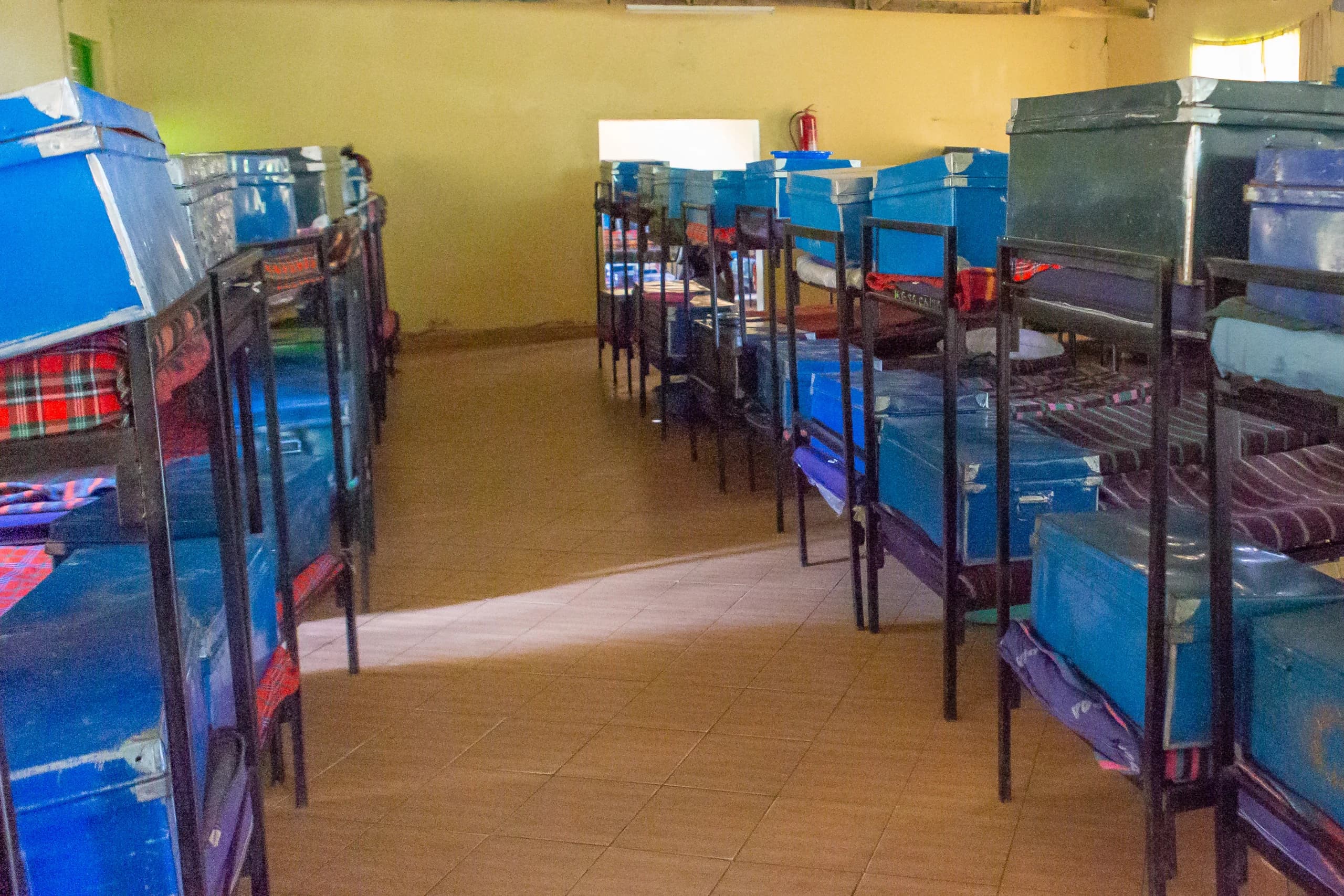
Kenyan boarding schools are quietly grappling with a rise in same-sex relationships among female students, sparking a complex debate that forces parents and educators to navigate the intersection of adolescence, discipline, and cultural norms.
Behind the closed gates of the nation's elite single-sex boarding schools, a profound behavioral shift is occurring, leaving parents in shock and educators severely constrained in their disciplinary responses.
The emergence of same-sex relations among adolescents challenges deeply ingrained conservative values in East Africa. As the phenomenon becomes highly visible, the traditional strategy of expulsion and silent shame is proving to be legally untenable and psychologically destructive, demanding a nuanced, empathetic approach to student welfare.
A comprehensive 2024 study by the University of Nairobi, alongside empirical data from veteran educators, confirms that peer influence is the primary driver of this trend. Within the pressure-cooker environment of overcrowded dormitories and shared facilities, vulnerable adolescents are frequently coerced or heavily influenced by older students.
According to a 2016 survey, 52 percent of participants attributed these behaviours to "sexual starvation" characteristic of isolated, single-sex institutions. The manifestations are increasingly overt, with students exhibiting intense attachment patterns, profound jealousy, and adopting explicit couple-like roles, frequently referring to one another as 'husband' and 'wife'.
School administrators are navigating a regulatory minefield. While cultural and religious frameworks demand strict punitive action, the Ministry of Education explicitly prohibits the expulsion of students solely on these grounds, prioritizing the universal right to education. This leaves teachers heavily reliant on pastoral care and guidance structures.
For parents, the discovery often triggers profound denial, fear, and anger. However, psychological experts sternly warn against harsh, reactionary punishments that can inflict long-term trauma and alienate the child. Adolescence is fundamentally a volatile period of identity formation and sexual exploration.
Counselling psychologist Emma Ngunjiri emphasizes that schools and families must work in absolute unison. Parents are advised to establish open lines of communication, helping their daughters understand the critical importance of setting personal boundaries early, rather than resorting to immediate condemnation.
"The focus should be on support, not anger. Schools play a critical role alongside parents in supporting adolescents' development," Ngunjiri asserts, advocating for dialogue over draconian discipline in shaping the future of Kenya's youth.
Keep the conversation in one place—threads here stay linked to the story and in the forums.
Sign in to start a discussion
Start a conversation about this story and keep it linked here.
Other hot threads
E-sports and Gaming Community in Kenya
Active 9 months ago
The Role of Technology in Modern Agriculture (AgriTech)
Active 9 months ago
Popular Recreational Activities Across Counties
Active 9 months ago
Investing in Youth Sports Development Programs
Active 9 months ago