We're loading the full news article for you. This includes the article content, images, author information, and related articles.
The Higher Education Loans Board (HELB) has been forced to issue a rapid response after a viral message threatening loan defaulters with ruthless auctioneers ignited widespread panic and outrage across Kenyan social media platforms.
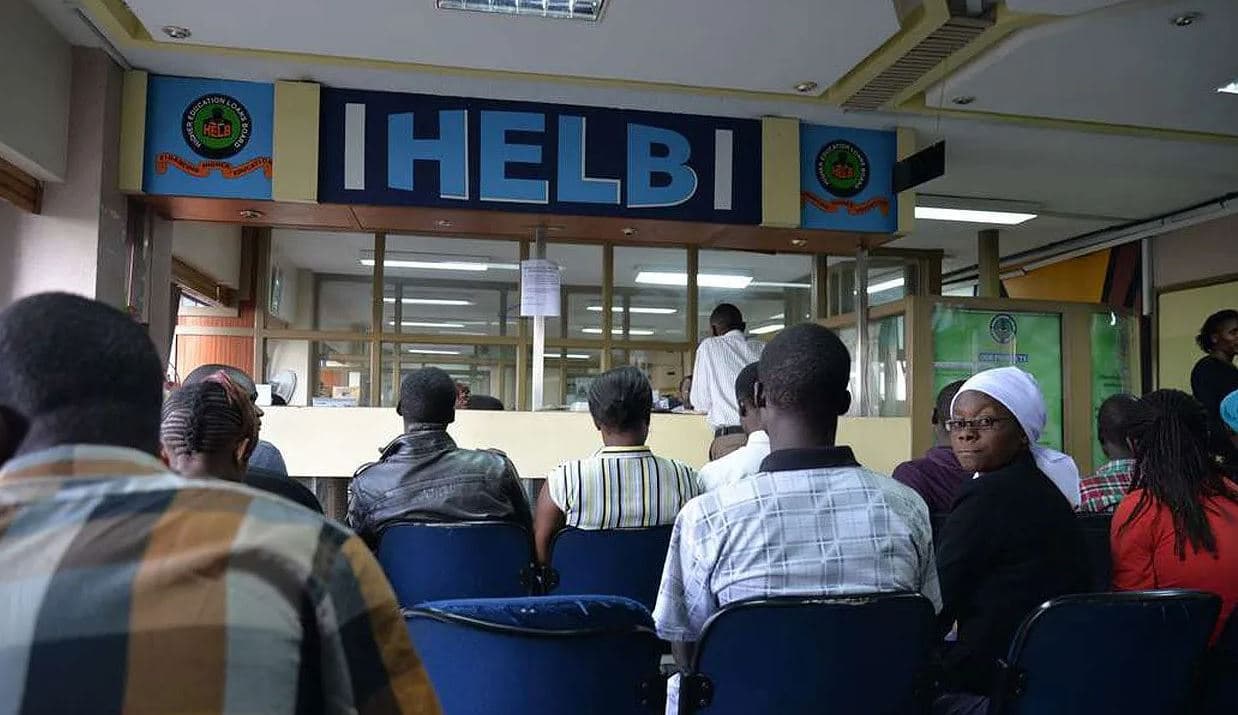
The Higher Education Loans Board (HELB) has issued an urgent public clarification after a viral message falsely claimed the agency had deployed auctioneers to seize property from loan defaulters. The message, widely circulated across WhatsApp, Facebook, and X, triggered panic among graduates before HELB dismissed it as a coordinated extortion attempt targeting vulnerable borrowers.
The viral message alleged that HELB had authorized private auctioneers to track down defaulters, seize household goods, and enforce repayments without court oversight. It further instructed recipients to pay an “immediate processing fee” via mobile money to halt enforcement action.
The tone—urgent, threatening, and procedural—closely mimicked official communication, giving it credibility among recipients already anxious about student debt obligations. Within hours, the message had spread widely, prompting online outrage and fear among thousands of graduates.
In its official response, HELB categorically disowned the message, stating:
It has not contracted auctioneers to recover loans from individual defaulters
It does not charge any processing or activation fees to stop enforcement
All official communication is issued only through verified platforms and its official portal
The board further warned that the message was part of a phishing and extortion scheme, designed to exploit fear and urgency to extract money from unsuspecting borrowers.
Contrary to the claims in the viral message, HELB’s legally established recovery framework is structured and procedural:
Employer-based deductions for formally employed graduates
Voluntary repayment plans for self-employed or unemployed borrowers
Compliance enforcement through legal channels, not informal seizure of assets
While HELB has, in past policy discussions, considered publishing names of long-term defaulters, there is no verified policy supporting random asset seizure through auctioneers without due process.
The speed and scale of the panic reveal a deeper structural issue: widespread anxiety around student debt in a constrained job market.
Kenya’s youth unemployment challenge, combined with rising living costs, has left many graduates financially exposed. In that environment, even unverified threats can feel plausible—especially when framed in bureaucratic language.
HELB remains one of the country’s most critical education financing institutions, having disbursed over KSh 100 billionto students since its inception. However, the sustainability of the fund depends on consistent loan recovery—placing pressure on both the institution and borrowers.
Authorities and financial experts warn that this incident is not isolated. Similar scams targeting student loan beneficiaries have emerged across East Africa, particularly in Uganda and Tanzania, where loan boards face similar repayment challenges.
These scams typically follow a pattern:
Impersonation of government agencies
Use of urgency and fear
Requests for small “processing” payments via mobile money
Fake links designed to harvest personal data
HELB and cybersecurity experts are urging borrowers to take precaution:
Verify all communication directly through official HELB channels
Ignore unsolicited payment requests, especially those sent via SMS or social media
Do not click unknown links claiming to offer debt relief or enforcement suspension
Report suspicious messages to HELB or relevant authorities
The agency has indicated it is working with law enforcement and cybercrime units to trace those behind the scam.
Beyond the immediate fraud, the incident has reignited debate about how student debt is managed in fragile economic conditions.
For many graduates, HELB represents both opportunity and obligation. The challenge for policymakers is balancing financial sustainability with empathy—ensuring repayment systems do not become sources of fear in an already strained economic climate.
The viral message may have been false—but the anxiety it exposed is real.
Keep the conversation in one place—threads here stay linked to the story and in the forums.
Sign in to start a discussion
Start a conversation about this story and keep it linked here.
Other hot threads
E-sports and Gaming Community in Kenya
Active 9 months ago
The Role of Technology in Modern Agriculture (AgriTech)
Active 9 months ago
Popular Recreational Activities Across Counties
Active 9 months ago
Investing in Youth Sports Development Programs
Active 9 months ago