We're loading the full news article for you. This includes the article content, images, author information, and related articles.
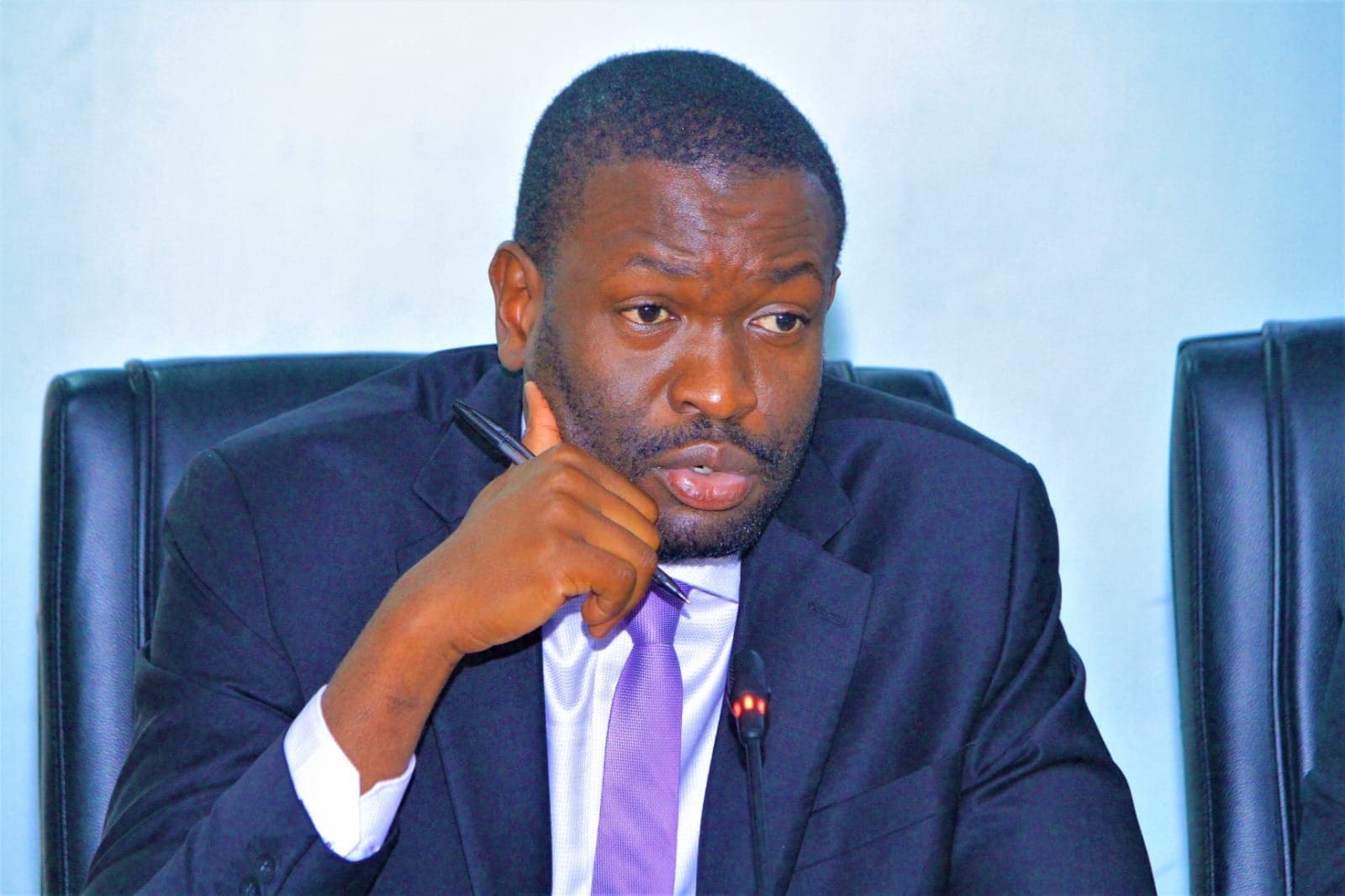
Senator Edwin Sifuna has rejected claims that the ODM-Kenya Kwanza 10-point agenda was implemented, calling the recent oversight report a shameful charade.

Nairobi Senator Edwin Sifuna has delivered a scathing indictment of the committee overseeing the 10-point agenda agreement, labeling the recent report presentation a “shameful charade” designed to deceive Kenyans. The ODM Secretary General’s remarks follow a tense week in the capital, as the March 7 deadline for the delivery of a final comprehensive report on the bipartisan pact passed with what critics describe as an orchestrated obfuscation rather than accountability.
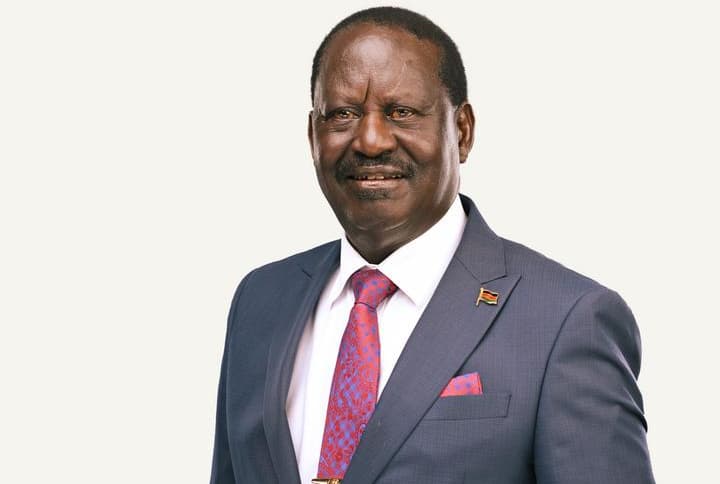
This political friction marks a potential breaking point for the cooperation framework established between President William Ruto and the late ODM party leader Raila Odinga in March 2025. With the government’s implementation committee failing to release a public, detailed audit by the agreed-upon deadline, questions of transparency, constitutional authority, and the future of the broad-based government arrangement have surged to the forefront of national discourse.
The 10-point agenda was born from the crucible of civil unrest that gripped Kenya in 2023, following violent protests over the high cost of living, electoral justice, and governance failures. The agreement, signed with significant fanfare, was intended to stabilize the nation through a series of commitments aimed at structural reform. The committee, led by former Nominated Senator Agnes Zani, was tasked with monitoring the execution of these pledges over a six-month window, culminating in a final report on March 7, 2026.
Instead of the anticipated public disclosure, the committee briefed a select group of political stakeholders. This closed-door approach drew immediate fire from the reformist faction of the Orange Democratic Movement. According to Sifuna, the committee was under a strict mandate to issue progress reports every two months and conclude its work with a definitive, publicly accessible document. The failure to do so, he argues, constitutes a direct violation of the memorandum of understanding (MoU) that underpins the entire cooperation pact.
The conflict has deepened with reports that the executive branch sought to unilaterally extend the committee’s mandate by 60 days. Sifuna has forcefully rejected this maneuver, labeling any such extension “unconstitutional, null and void.” He asserts that the ODM Parliamentary Group lacks the legal or constitutional authority to unilaterally extend a mandate derived from a national-level political agreement. According to the Senator, the oversight of this deal rests with the party’s National Executive Committee, not the parliamentary leadership.
Observers suggest this dispute reflects a wider schism within the party’s hierarchy. While the parliamentary leadership has advocated for continuity and downplayed the missed deadline, the faction led by Sifuna—often identifying with the “Linda Mwananchi” movement—is demanding tangible, measurable progress. The confusion witnessed during a recent event at the Kenyatta International Convention Centre, where attendees openly challenged executive representatives regarding the report’s contents, underscores the diminishing public patience for rhetoric in the absence of substantive policy shifts.
In response to the perceived failure of the official committee, the reformist bloc has moved to reclaim the narrative. Sifuna has announced that his faction will release an independent “true report” detailing the status of each of the 10 agenda items. This document is expected to be grounded in verifiable data, including independent economic surveys, parliamentary records, and testimonies from civil society organizations that have monitored the government’s performance since the agreement was signed.
The methodology, Sifuna claims, is scientific and follows a clear framework to hold the regime accountable. This counter-report serves as a direct challenge to the government’s narrative of progress, which has frequently cited achievements such as fertilizer subsidies, minor adjustments to fuel costs, and the enactment of specific legislation as evidence of success. Critics, however, argue that these measures are insufficient compared to the systemic economic pressures facing the average Kenyan household, particularly the continued burden of debt and the volatility of the shilling.
For the average citizen, the bickering over the 10-point agenda is not merely a political spat but a matter of daily survival. Inflationary pressures remain high, and the promise of electoral reform and the mitigation of police brutality—key pillars of the 2023 protest demands—remain contentious. When political leaders prioritize the mechanics of a committee mandate over the delivery of essential services or justice for victims of past violence, the trust deficit between the electorate and the political class widens significantly.
As the political temperature rises, the call for transparency is becoming deafening. The government’s challenge is to prove that the broad-based arrangement is more than a strategy for political survival and actually serves the public interest. Conversely, for the opposition, the challenge lies in maintaining a coherent stance that offers a viable alternative to the status quo without fracturing the party beyond repair. Whether the “true report” will provide a path forward or simply deepen the existing fissures remains the critical question as the nation moves into an uncertain political period.
The era of political convenience is under intense scrutiny. As the 60-day extension looms, Kenyans are left waiting to see if the state will finally honor the commitments that once halted a country in the throes of crisis, or if the 10-point agenda will become another historical footnote of unfulfilled political promises.
Keep the conversation in one place—threads here stay linked to the story and in the forums.
Sign in to start a discussion
Start a conversation about this story and keep it linked here.
Other hot threads
E-sports and Gaming Community in Kenya
Active 9 months ago
The Role of Technology in Modern Agriculture (AgriTech)
Active 9 months ago
Popular Recreational Activities Across Counties
Active 9 months ago
Investing in Youth Sports Development Programs
Active 9 months ago
Key figures and persons of interest featured in this article