We're loading the full news article for you. This includes the article content, images, author information, and related articles.
Senator Edwin Sifuna contests his ouster from ODM leadership at the Political Parties Disputes Tribunal, testing internal party democracy standards.

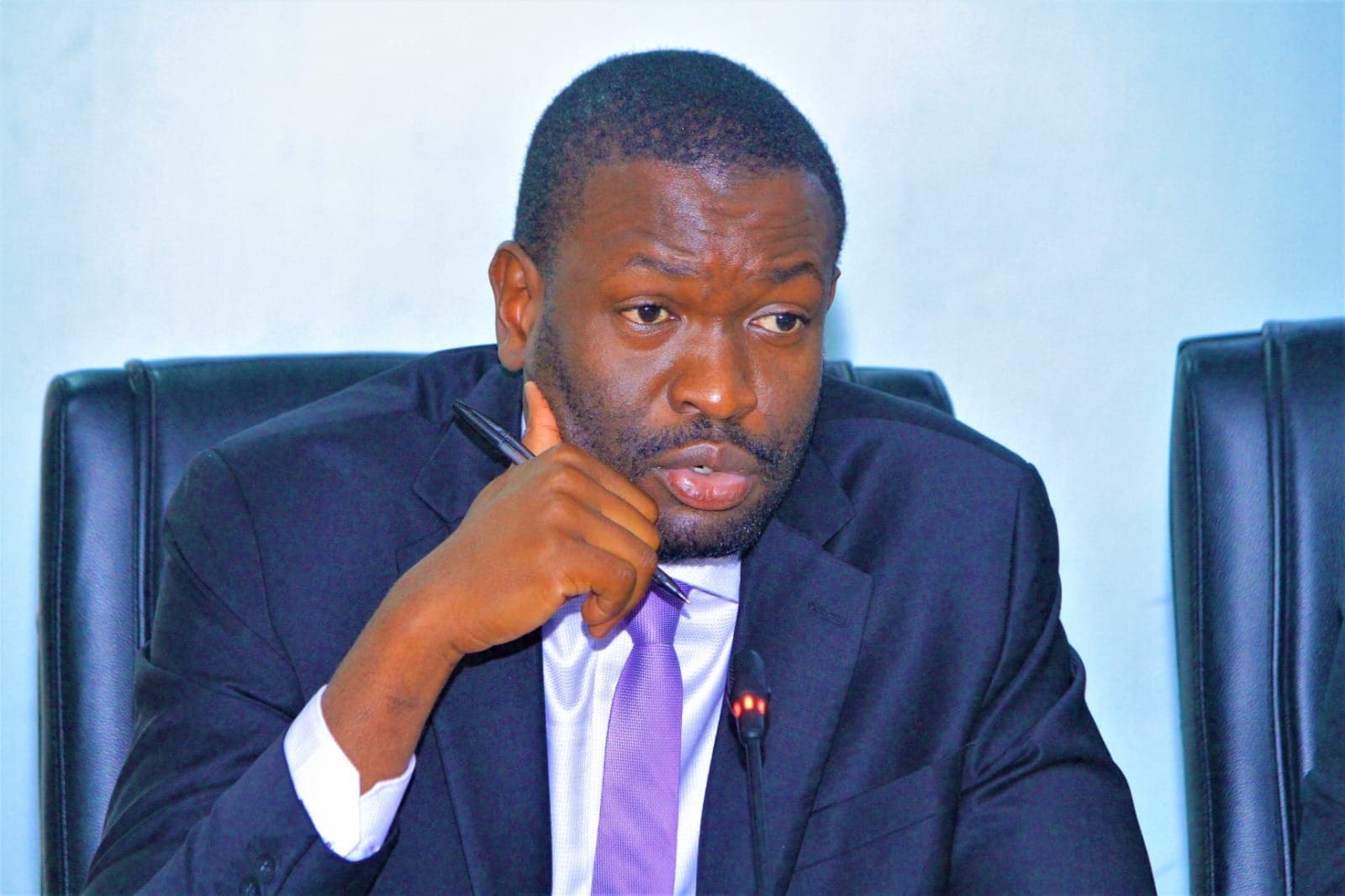
The air inside the Political Parties Disputes Tribunal on Thursday grew heavy with the weight of competing constitutional interpretations as Senator Edwin Sifuna stood before the bench to contest his removal as the Secretary General of the Orange Democratic Movement. The legal standoff marks a critical inflection point for one of Kenya's most prominent political institutions, centering on the fundamental tension between party autonomy and the constitutional mandates of due process.
At stake is not merely the immediate professional trajectory of a high-profile politician, but the established norms governing internal democracy within the country's political parties. This dispute forces a confrontation with the Political Parties Act, challenging the party's ability to enforce internal discipline against the backdrop of an individual's rights to fair administrative action and natural justice. For the millions of registered party supporters, the tribunal's eventual ruling will clarify the extent to which party organs can reshape their leadership structures without risking legal or political instability.
Senator Sifuna's legal team anchored their argument on the assertion that the party failed to adhere to its own constitution and the overarching statutory requirements of the Political Parties Act. Central to the petition is the claim that the removal process lacked the requisite transparency, notice periods, and opportunities for defense that are mandatory under the law. According to legal filings presented at the tribunal, Sifuna contends that the decision-making process was characterized by procedural irregularities that render the entire exercise null and void.
The ODM legal team, conversely, maintains that the party leadership acted within its mandate to maintain order, uphold party discipline, and ensure that the secretariat remains aligned with the political objectives of the party membership. They argue that the internal mechanism for removal was exercised lawfully to address what they describe as significant operational friction. The tribunal must now determine whether these actions constitute a legitimate exercise of internal party management or a violation of protected constitutional rights.
The conflict within the ODM hierarchy is not an isolated event but a reflection of the broader, often turbulent, political landscape in Kenya. When established parties face leadership crises, the resulting uncertainty trickles down to county-level branches, affecting voter mobilization, party financing, and the day-to-day operations of local offices. The current crisis has the potential to disrupt the organizational cohesion that the ODM relies upon to sustain its influence in the National Assembly and the Senate.
Political analysts at the University of Nairobi suggest that such high-profile infighting often stems from shifting alliances and differing visions for the party's future. When these tensions spill into public disputes, the cost to the party is often measured in waning public confidence and the potential alienation of grassroots supporters. The economic cost of such litigation is also significant legal fees for high-stakes constitutional petitions frequently run into millions of shillings, diverting resources from voter outreach and policy research.
The core of this dispute hinges on the principle of natural justice, which demands that any person affected by a decision must be given a fair chance to present their case. In the context of political parties, this requirement is frequently at odds with the necessity for rapid decision-making and political maneuvering. As the tribunal considers the evidence, it is tasked with interpreting whether the party's internal constitution provides sufficient safeguards against arbitrary removal.
Historical data on PPDT rulings indicate a consistent trend: the tribunal frequently strikes down removals if there is clear evidence that the party bypassed its own disciplinary committees or failed to serve adequate notice to the respondent. If the tribunal finds in favor of Sifuna, it would reinforce the necessity for parties to modernize their administrative structures to withstand legal scrutiny. If it upholds the removal, it could embolden party executives to exercise broader, more centralized control over leadership positions.
As the hearings continue, the focus shifts to the long-term impact on party discipline versus democratic participation. For voters and party members, the outcome of this tribunal session will serve as a definitive statement on the health of internal democracy within the ODM. Whether the resolution comes through a court order or a mediated settlement, the priority remains the stability of the institution.
The tribunal is expected to issue interim directives in the coming weeks, a decision that will likely reshape the ODM power structure ahead of upcoming political milestones. Until then, the party remains in a state of operational flux, with members and observers alike waiting to see if this legal battle signals a broader restructuring of the party's leadership or a temporary disruption that will be resolved through dialogue. The ultimate question for the tribunal is simple yet profound: do the rules of the party hold supreme authority, or do they remain subordinate to the overarching principles of constitutional justice?
Keep the conversation in one place—threads here stay linked to the story and in the forums.
Sign in to start a discussion
Start a conversation about this story and keep it linked here.
Other hot threads
E-sports and Gaming Community in Kenya
Active 9 months ago
The Role of Technology in Modern Agriculture (AgriTech)
Active 9 months ago
Popular Recreational Activities Across Counties
Active 9 months ago
Investing in Youth Sports Development Programs
Active 9 months ago
Key figures and persons of interest featured in this article