We're loading the full news article for you. This includes the article content, images, author information, and related articles.
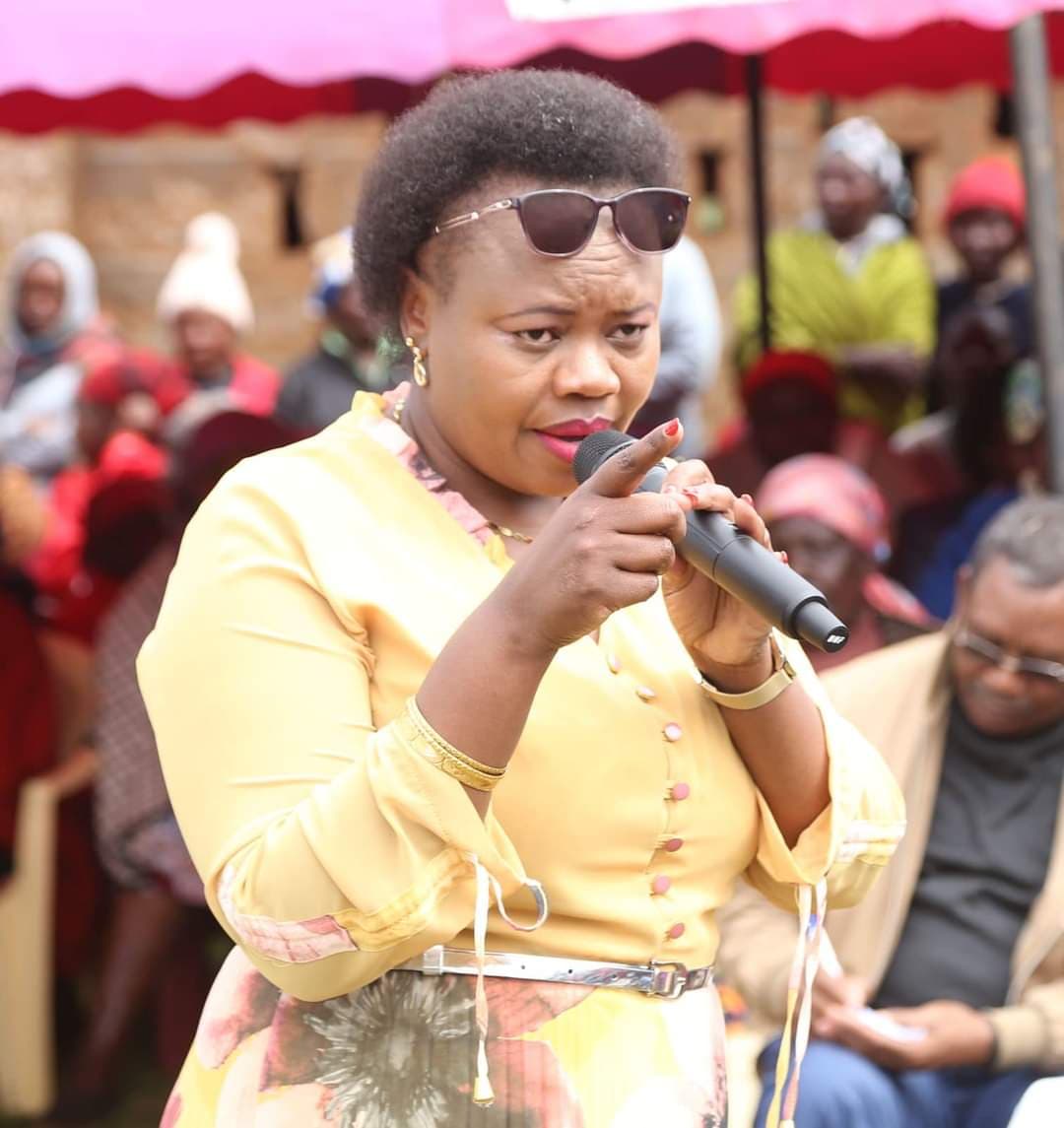
Githunguri MP Gathoni Wamuchomba has asserted that President William Ruto is systematically regaining his political foothold in the vote-rich Mt. Kenya region, directly challenging Rigathi Gachagua’s local supremacy.
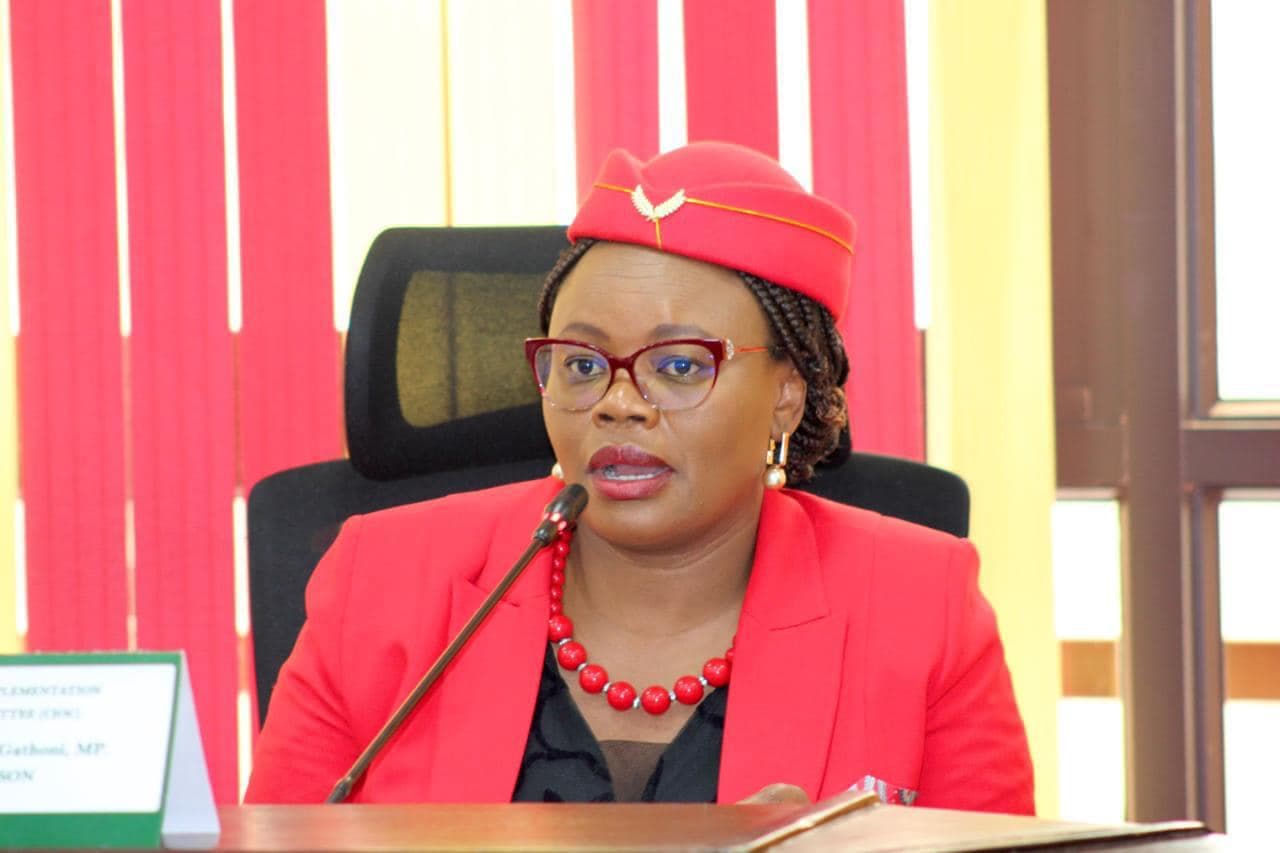
Githunguri MP Gathoni Wamuchomba has asserted that President William Ruto is systematically regaining his political foothold in the vote-rich Mt. Kenya region, directly challenging Rigathi Gachagua’s local supremacy.
The battle for the soul of the Mt. Kenya voting bloc has entered a volatile new phase. In a striking political assessment, Githunguri Member of Parliament Gathoni Wamuchomba—a fiercely independent voice in regional politics—has declared that President William Ruto is successfully executing a stealthy, grassroots resurgence across the Central Kenya highlands.
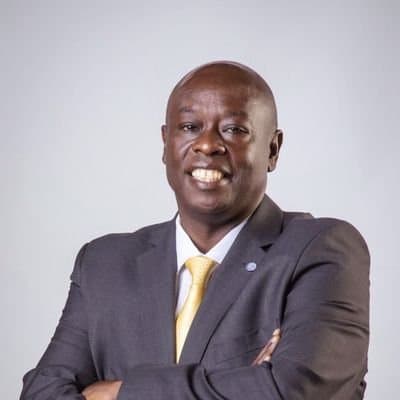
This declaration serves as a direct, highly public rebuke to the narrative heavily promoted by ousted Deputy President Rigathi Gachagua, who has consistently projected himself as the undisputed, irreplaceable kingpin of the region. As the political maneuvering for the 2027 electoral cycle accelerates, Wamuchomba’s insights reveal a deeply fractured landscape where absolute loyalty is a fleeting illusion.
Wamuchomba anchored her bold claims in the quintessential Kenyan political maxim: “Siasa ni Ground” (Politics is local). She argued that while high-level political posturing dominates the national media space, the true allegiance of the electorate is won through tangible, localized economic interventions and direct grassroots engagement.
According to her analysis, the Kenya Kwanza administration is bypassing the noise of regional kingpins and strategically embedding itself directly within the community. By addressing granular issues affecting the agricultural backbone of the region—such as the volatile pricing of coffee, tea, and macadamia nuts—the President is methodically rebuilding a direct, transactional relationship with the voters, independent of traditional ethnic power brokers.
Wamuchomba did not merely praise the President’s tactical acumen; she launched a thinly veiled, devastating critique of Rigathi Gachagua’s current political methodology. By characterizing the former Deputy President’s approach as someone who “types and deletes,” she painted a picture of a leader crippled by indecision, reactive politics, and a lack of coherent, long-term strategic vision.
This criticism strikes at the core of Gachagua’s populist persona. While he continues to draw massive crowds and dominate the digital conversation with fiery rhetoric, Wamuchomba suggests that this online and podium bravado is not translating into institutional political capital. In her view, emotional appeals regarding betrayal are insufficient to counter the organized, resource-heavy machinery of an incumbent President determined to protect his electoral investments.
To truly understand the shifting tectonic plates in Mt. Kenya, one must look past the politicians and focus entirely on the economy. The region is fundamentally driven by commercial agriculture and small to medium enterprise (SME) trade.
If the National Government can successfully implement reforms that put cash directly into the pockets of the Mt. Kenya farmer, the political grievances championed by marginalized leaders will rapidly lose their potency. Wamuchomba’s observations suggest that Ruto has recognized this vulnerability and is deploying targeted state resources to anesthetize the political anger stemming from recent tax hikes and economic stagnation.
The profound implication of Wamuchomba’s statement is that Mt. Kenya is no longer a monolithic voting bloc that can be corralled by a single ethnic overlord. The region has become a highly competitive, fragmented marketplace of political ideas and economic promises.
As the countdown to 2027 continues, the narrative of absolute regional control is dead. Leaders demanding blind ethnic loyalty will find themselves outmaneuvered by operatives who understand that in the modern Kenyan political landscape, loyalty is strictly rented through consistent economic delivery. For Rigathi Gachagua, the message is dire: the ground is shifting beneath his feet, and presidential influence is creeping back up the mountain.
Keep the conversation in one place—threads here stay linked to the story and in the forums.
Sign in to start a discussion
Start a conversation about this story and keep it linked here.
Other hot threads
E-sports and Gaming Community in Kenya
Active 9 months ago
The Role of Technology in Modern Agriculture (AgriTech)
Active 9 months ago
Popular Recreational Activities Across Counties
Active 9 months ago
Investing in Youth Sports Development Programs
Active 9 months ago
Key figures and persons of interest featured in this article