We're loading the full news article for you. This includes the article content, images, author information, and related articles.
The East African Community is facing a crippling financial crisis, with defaulting member states causing parliamentarians to go unpaid and threatening regional integration.
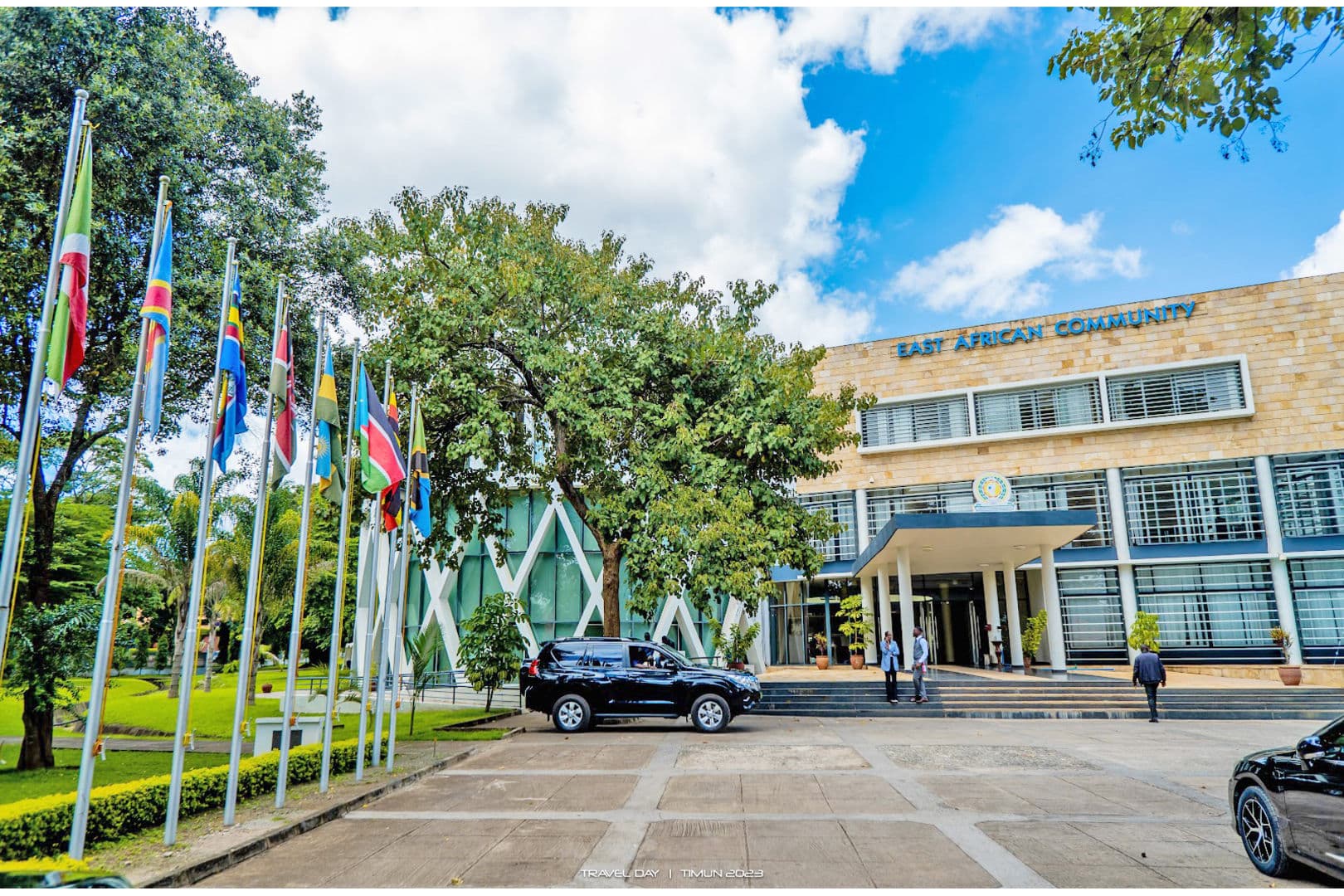
The East African Community (EAC) is currently navigating a devastating institutional liquidity crisis, triggered by the chronic failure of member states to honor their statutory financial contributions to the regional bloc.
The severe cash crunch has not only paralyzed crucial regional integration programs but has escalated to the point where parliamentarians and vital staff are going unpaid. This systemic defaulting threatens to unravel decades of diplomatic progress, casting a dark shadow over the credibility and operational viability of the entire East African project.
Startling financial data prepared for the EAC Council of Ministers exposes the sheer magnitude of the deficit. As of January 28, 2026, the secretariat had received a mere $21.4 million (approx. KES 2.7bn) out of the expected $56 million (approx. KES 7.3bn) contribution to the main budget. This equates to an abysmal 38 percent compliance rate, leaving a gaping financial hole that the secretariat simply cannot bridge.
This is not a sudden anomaly but the culmination of a persistent culture of non-compliance. While newer member states often face administrative hurdles in aligning their budgets, the current crisis involves consistent defaulting by established partner states. The failure to remit funds is increasingly interpreted not just as an economic shortfall, but as a glaring lack of political will to prioritize the regional integration agenda.
The immediate victims of this fiscal negligence are the employees and elected representatives of the East African Legislative Assembly (EALA). Reports indicate that MPs have gone without their rightful allowances, directly crippling their ability to conduct oversight, deliberate on regional legislation, and maintain the institutional framework of the EAC.
The EAC was founded on the promise of collective economic prosperity, seamless cross-border trade, and eventual political federation. However, these grand ambitions are entirely dependent on a well-funded, efficient secretariat capable of executing complex transnational projects.
Because of the current shortfall, critical initiatives ranging from joint infrastructure development to synchronized customs protocols have ground to a halt. The lack of funding directly undermines the implementation of the Common Market Protocol, hurting cross-border traders and businesses who rely on the EAC to dismantle tariff and non-tariff barriers.
As the largest economy within the bloc, Kenya bears a disproportionate burden when the EAC falters. Nairobi's industrial and service sectors are heavily reliant on the seamless exportation of goods into the wider East African market. A dysfunctional EAC directly translates to slower economic growth and reduced export revenues for the Kenyan economy.
Diplomatic pressure is now mounting on the EAC Heads of State to implement punitive measures against chronic defaulters. Proposals include suspending the voting rights of non-paying states or denying their citizens access to lucrative jobs within EAC organs. Without aggressive intervention to enforce financial discipline, the dream of a united, economically formidable East Africa remains in severe jeopardy.
"A regional community cannot run on empty promises and delayed remittances; if the partner states believe in the EAC, they must be willing to finance its existence."
Keep the conversation in one place—threads here stay linked to the story and in the forums.
Sign in to start a discussion
Start a conversation about this story and keep it linked here.
Other hot threads
E-sports and Gaming Community in Kenya
Active 9 months ago
The Role of Technology in Modern Agriculture (AgriTech)
Active 9 months ago
Popular Recreational Activities Across Counties
Active 9 months ago
Investing in Youth Sports Development Programs
Active 9 months ago