We're loading the full news article for you. This includes the article content, images, author information, and related articles.
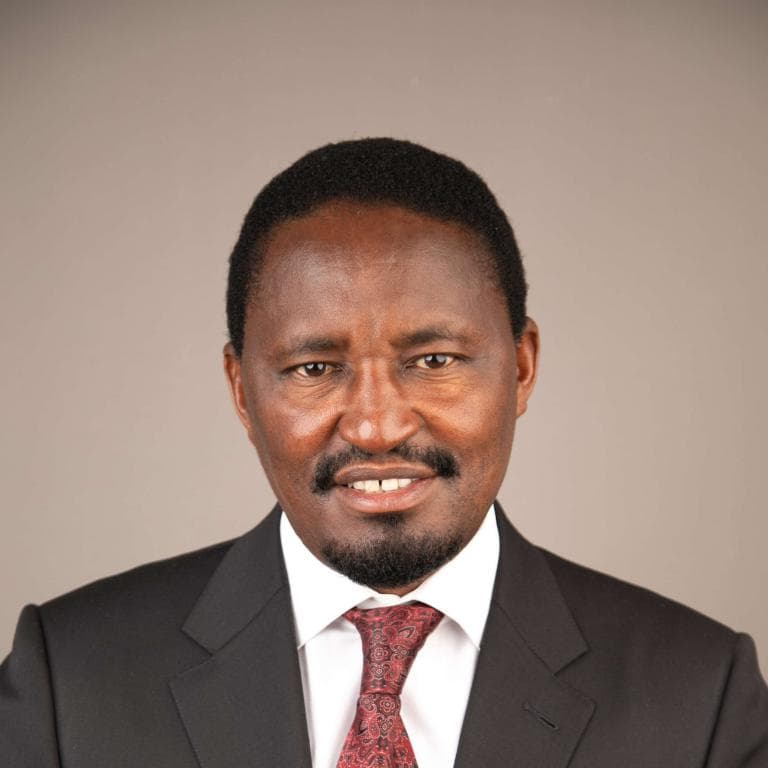
Laikipia East MP Mwangi Kiunjuri has launched a scathing attack on former Deputy President Rigathi Gachagua, accusing him of employing deceptive tactics to manipulate the Mt. Kenya electorate.
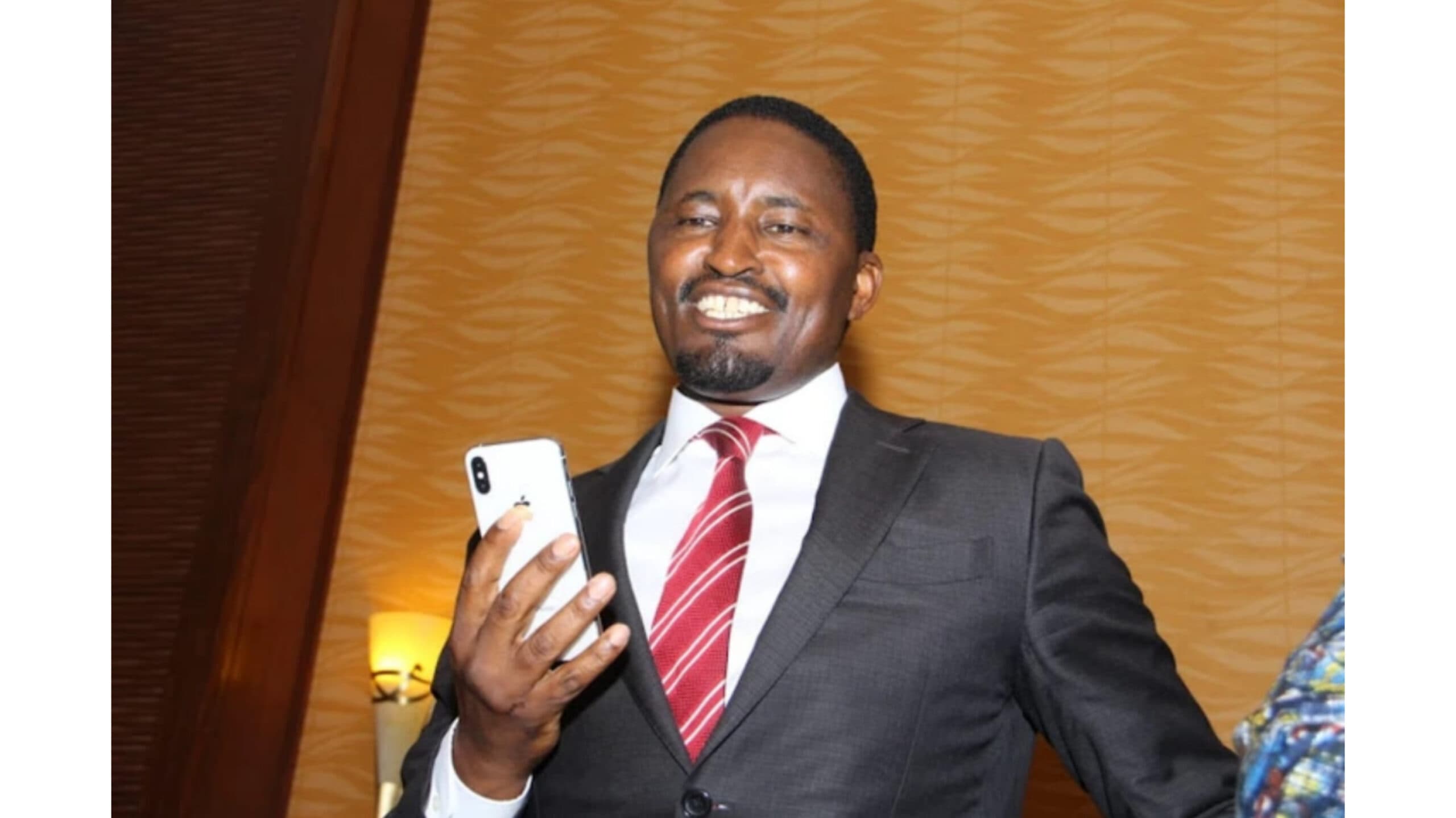
Laikipia East MP Mwangi Kiunjuri has launched a scathing attack on former Deputy President Rigathi Gachagua, accusing him of employing deceptive tactics to manipulate the Mt. Kenya electorate.
The political battlegrounds of Central Kenya are witnessing a fierce internal war, with veteran politicians drawing distinct battle lines ahead of the 2027 general elections.
Speaking to a charged crowd, Laikipia East Member of Parliament Mwangi Kiunjuri systematically dismantled the recent grassroots mobilization strategies employed by former Deputy President Rigathi Gachagua. Kiunjuri boldly accused Gachagua of engaging in sophisticated double-talk and exploiting "selective hearing" among the masses to further his own political survival. This public confrontation highlights the deep, widening fractures within the Mt. Kenya voting bloc, a region historically known for its monolithic voting patterns. The struggle for regional supremacy is no longer whispered in backrooms; it is now a loud, chaotic contest for the soul of the mountain. Kiunjuri's remarks suggest a growing rebellion against Gachagua's self-proclaimed status as the region's undisputed kingpin, setting the stage for a brutal political showdown.
Kiunjuri's primary grievance centers on what he perceives as Gachagua's hypocritical public messaging. According to the Laikipia East MP, the former Deputy President portrays himself as a persecuted savior to the grassroots, while simultaneously engaging in divisive, self-serving political maneuvers. This narrative of victimhood, Kiunjuri argues, is a calculated attempt to secure blind loyalty from the deeply conservative rural electorate. By calling out this "selective hearing," Kiunjuri is challenging the voters to look beyond the emotive rhetoric and critically analyze the actual developmental track record of their leaders. The strategy of weaponizing regional grievances—such as the perennial issues surrounding coffee and tea farming revenues—has long been a staple of Mt. Kenya politics, but Kiunjuri is now arguing that it is being used merely for personal political preservation rather than genuine economic empowerment.
The Mt. Kenya region, boasting millions of registered voters, is the grand prize in Kenyan electoral politics. Whoever controls the mountain effectively controls a massive chunk of the national vote. Gachagua's aggressive grassroots tours are clearly designed to consolidate this base, painting himself as the indispensable link between the region and national power structures. However, figures like Kiunjuri, alongside other regional heavyweights, are actively working to decentralize this power. They argue for a more pluralistic leadership structure, one that does not bow to the whims of a single self-appointed kingpin. This resistance is finding fertile ground among a younger, increasingly disillusioned demographic that feels abandoned by traditional political promises and is demanding tangible economic dividends rather than ethnic mobilization.
Behind the political grandstanding lies the harsh economic reality facing the Mt. Kenya electorate. The rising cost of living, coupled with historically low payouts for cash crops, has created a deeply frustrated populace. Politicians are acutely aware of this anger and are aggressively attempting to channel it. Kiunjuri's critique is fundamentally an economic one; he is questioning whether Gachagua's loud advocacy translates into extra shillings in the pockets of the tea farmer in Murang'a or the coffee grower in Nyeri. The political discourse is slowly but surely shifting from mere ethnic arithmetic to the intricate details of economic policy and agricultural reform. This shift forces leaders to offer concrete solutions rather than relying solely on the emotive pull of tribal solidarity.
As the political landscape continues to shift, the confrontation between Kiunjuri and Gachagua is merely the opening skirmish in a much larger war. The coming months will likely see an intensification of these grassroots battles, with alliances forming and collapsing at breakneck speed. The ultimate power, however, rests with the voters. They must navigate through the dense fog of political rhetoric, decipher the double-talk, and demand a leadership that is genuinely committed to their socio-economic upliftment. "We must reject the politics of deceit and demand absolute transparency from those who seek to lead us," Kiunjuri concluded, laying down a definitive marker for the political battles ahead.
Keep the conversation in one place—threads here stay linked to the story and in the forums.
Sign in to start a discussion
Start a conversation about this story and keep it linked here.
Other hot threads
E-sports and Gaming Community in Kenya
Active 9 months ago
The Role of Technology in Modern Agriculture (AgriTech)
Active 9 months ago
Popular Recreational Activities Across Counties
Active 9 months ago
Investing in Youth Sports Development Programs
Active 9 months ago
Key figures and persons of interest featured in this article