We're loading the full news article for you. This includes the article content, images, author information, and related articles.
The UK Parliament has commanded Royal Mail executives to answer for systemic delivery failures, amid mounting accusations that lucrative parcels are prioritised over critical letters.
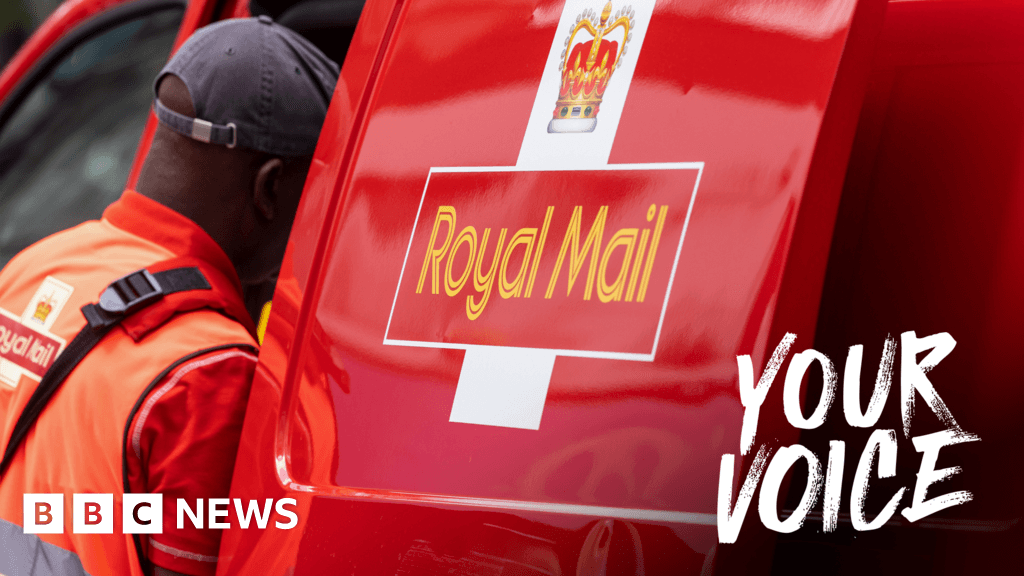
The UK Parliament has commanded Royal Mail executives to answer for systemic delivery failures, amid mounting accusations that lucrative parcels are prioritised over critical letters.
The escalating chaos engulfing the United Kingdom's postal network has finally reached a critical, unavoidable boiling point. Royal Mail's top executives have been summoned to face a rigorous parliamentary grilling as public frustration over missed medical appointments, delayed legal documents, and compromised business operations hits a deafening crescendo.
For the Kenyan diaspora and East African businesses heavily reliant on consistent international correspondence, the rapid deterioration of the UK's Universal Service Obligation is deeply troubling. The controversy highlights a global tension in modern logistics: the severe, highly profitable friction between statutory public service duties and the relentless, profit-driven surge of e-commerce parcel delivery.
The UK Parliament's Business and Trade Committee, chaired by the formidable Liam Byrne, has officially written to Royal Mail's interim CEO, Alistair Cochrane, demanding categorical assurances regarding service quality. The summons follows damning allegations, initially brought to light by investigative reports, that the postal service is systematically prioritising lucrative parcels over essential, standard letters.
Despite being given a two-week window to respond to these serious claims and outline commitments to rectify the ongoing "chaos," the service's shortcomings have proven too severe for simple written assurances. Chairman Byrne noted that the committee is deeply concerned by the growing volume of direct public representations regarding significant, life-altering failures in the letter delivery system, extending far beyond the traditional Christmas peak period.
The allegations suggest a controversial 'batching' practice, where letters are deliberately held back at sorting offices until enough items accumulate for a single, cost-effective delivery run. This practice, if conclusively proven, directly violates the spirit and legal requirement of the Universal Service Obligation, causing immense harm to citizens awaiting time-sensitive communications such as hospital referrals and banking statements.
The intense scrutiny arrives against the backdrop of Royal Mail's recent, highly controversial acquisition by Czech billionaire Daniel Kretinsky's EP Group. Approved in April, the takeover was fundamentally contingent on a strict legal undertaking that the new ownership would vehemently maintain the Universal Service Obligation—the historical bedrock of the UK's postal network.
However, one year into the EP Group's tenure, even premium first-class deliveries are drastically off track. In the preceding financial year, the company managed to deliver only 77 percent of First Class mail on time, falling disastrously short of the mandated 93 percent target. This systemic failure resulted in the communication services regulator, Ofcom, slapping Royal Mail with a hefty £21 million (approx. KES 3.5 billion) fine.
While the operational crisis is unfolding in the UK, the ripple effects are felt globally, including in Kenya. Thousands of Kenyans residing in the UK rely on the postal service to dispatch critical legal documents, academic certificates, and vital correspondence back home. Delays in the UK system inevitably cause severe bottlenecks in Nairobi, affecting university admissions, legal proceedings, and family welfare.
Furthermore, Royal Mail's management blames the ongoing disruption on local issues, citing high levels of sick absence and resourcing constraints. Yet, whistleblowers within the postal staff network claim that delivery rounds are being intentionally missed on a daily basis as workers are stretched far beyond their physical capacity to handle the booming parcel volume.
As the parliamentary inquiry looms, the core debate is whether a privatised, profit-seeking entity can faithfully execute a statutory public service in the age of Amazon and rapid e-commerce. If Royal Mail cannot drastically course-correct, the government may be forced to radically intervene to save an institution that has connected citizens for centuries, before public trust is irreparably shattered.
Keep the conversation in one place—threads here stay linked to the story and in the forums.
Sign in to start a discussion
Start a conversation about this story and keep it linked here.
Other hot threads
E-sports and Gaming Community in Kenya
Active 9 months ago
The Role of Technology in Modern Agriculture (AgriTech)
Active 9 months ago
Popular Recreational Activities Across Counties
Active 9 months ago
Investing in Youth Sports Development Programs
Active 9 months ago