We're loading the full news article for you. This includes the article content, images, author information, and related articles.
The President’s pivot from the 'Hustler' narrative to a First World infrastructure vision sparks fierce debate on economic realism.
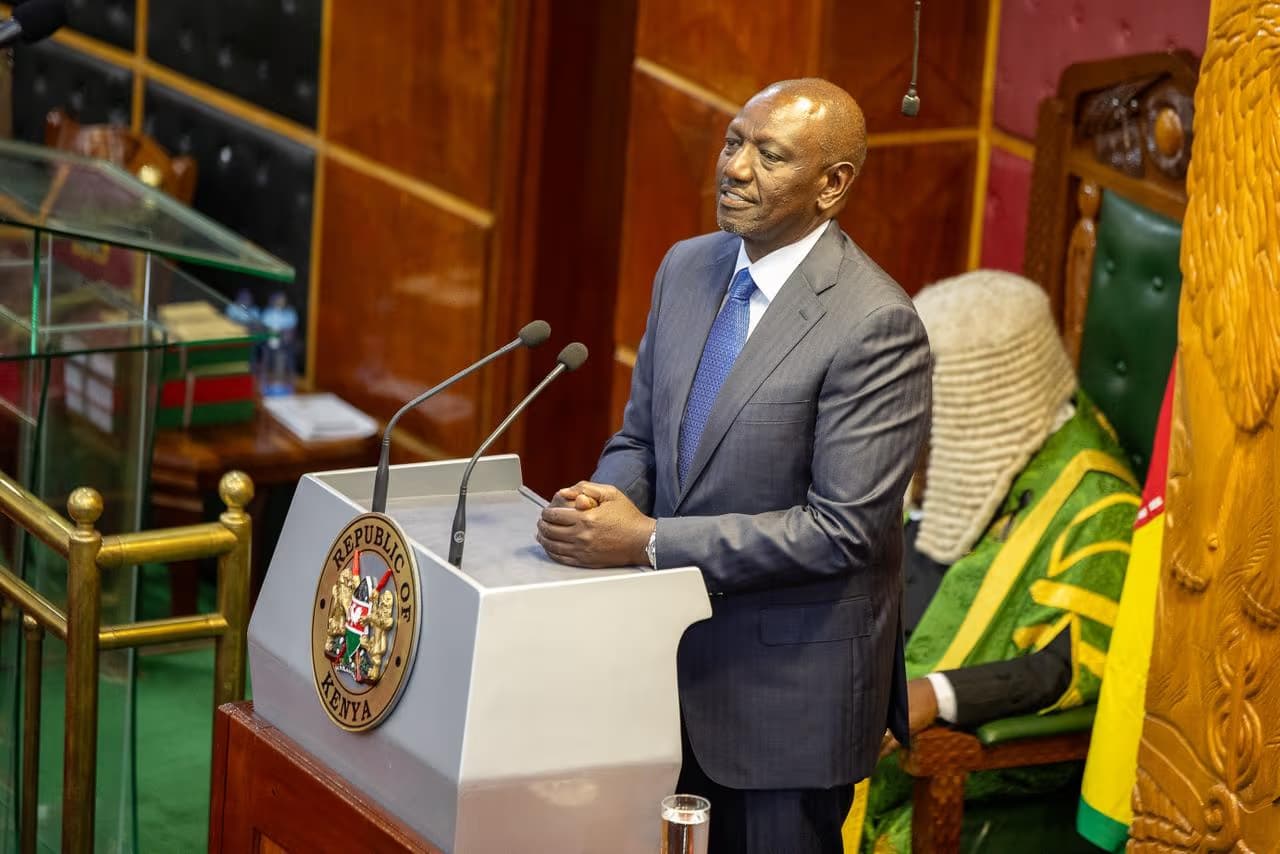
President William Ruto has officially traded the gritty populism of the 'Hustler Nation' for the gleaming aspirations of a 'Singaporean Dream,' embarking on a high-stakes economic trajectory that promises to transform Kenya into a First World powerhouse.
The announcement, made with characteristic fervor, signals a definitive ideological shift. By prioritizing massive capital-intensive projects over grassroots upliftment, the administration is betting its political capital on a long-term vision that critics fear may detach the government from the immediate, biting realities of the common citizen.
At the heart of this transformation lies the controversial National Infrastructure Fund (NIF), a financial vehicle designed to mobilize a staggering Sh5 trillion. This war chest is intended to bankroll a series of mega-projects that the government argues are essential for leapfrogging Kenya’s developmental stages. The President’s rhetoric has been unwavering: Kenya is "behind schedule" and must adopt the disciplined, infrastructure-led growth models that propelled nations like Singapore, South Korea, and Malaysia from poverty to prosperity in a single generation.
The strategy is built on several key pillars:
However, the transition from the "bottom-up" economic model—which swept Ruto to power—to this macro-level "Singapore dream" has left many questioning the coherence of the administration's policy.
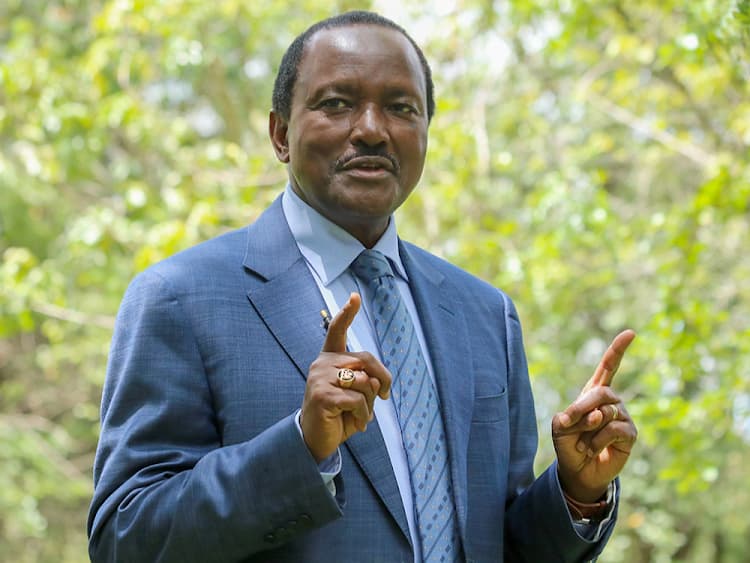
The opposition has wasted no time in dismantling the President’s new narrative. Wiper Party leader Kalonzo Musyoka has been particularly vocal, terming the Singapore dream a "dead card" strategy. He questions the feasibility of such ambitious comparisons when basic economic indicators are flashing red. "How do you make Kenya Singapore when many companies are migrating to Tanzania and Uganda, and our youth are unemployed?" Musyoka asked, highlighting the exodus of investors fleeing high operational costs and unpredictable tax regimes.
Economists warn that the Singapore model was built on a foundation of strict meritocracy, zero tolerance for corruption, and a highly efficient civil service—conditions that remain elusive in Kenya's current landscape. The NIF, while theoretically sound, faces the grim reality of a constrained fiscal space and a debt-burdened economy. Critics argue that without addressing the systemic rot of graft and bureaucratic inefficiency, pouring trillions into infrastructure will only deepen the country's debt crisis without delivering the promised First World status.
"We are not joking, my friends. This country must be transformed by all means possible," President Ruto declared, dismissing the skepticism. Yet, as the administration pivots to this grand vision, the risk remains that the 'Hustler'—the very demographic that formed the bedrock of his presidency—may feel abandoned in the pursuit of a distant, glittering horizon.
Keep the conversation in one place—threads here stay linked to the story and in the forums.
Sign in to start a discussion
Start a conversation about this story and keep it linked here.
Other hot threads
E-sports and Gaming Community in Kenya
Active 9 months ago
The Role of Technology in Modern Agriculture (AgriTech)
Active 9 months ago
Popular Recreational Activities Across Counties
Active 9 months ago
Investing in Youth Sports Development Programs
Active 9 months ago
Key figures and persons of interest featured in this article