We're loading the full news article for you. This includes the article content, images, author information, and related articles.
A strong opposition is vital for Kenya's democratic health. When political parties blur the line between government and opposition they lose credibility.
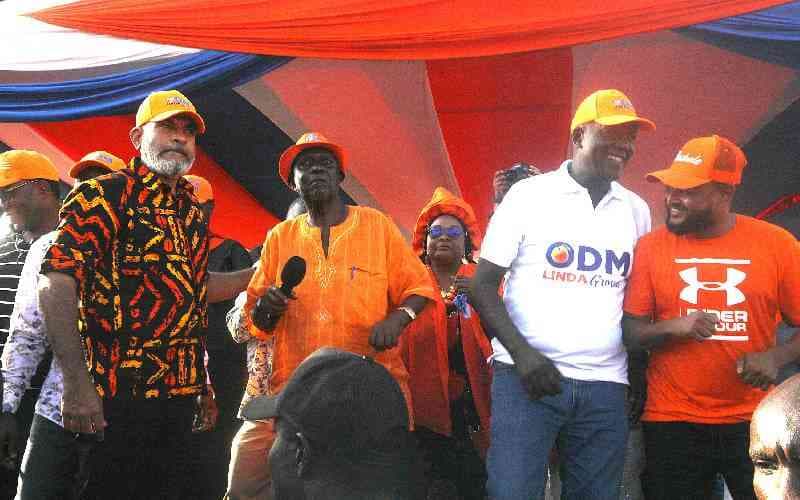
A strong opposition is the immune system of a democracy. When it fails, the body politic sickens. The current convulsions within the Orange Democratic Movement (ODM) are not just internal party squabbles; they are symptoms of a crisis that threatens the very health of Kenya’s multi-party democracy.
The recent removal of Secretary-General Edwin Sifuna and Saboti MP Caleb Amisi from the National Executive Committee (NEC) sends a chilling signal. The ostensible reason is "indiscipline," but the political subtext is undeniable: the party is purging those who refuse to bow to the deepening, murky alliance with President Ruto’s United Democratic Alliance (UDA).
Kenya has walked this path before. The lines between government and opposition are being blurred in the name of "unity." While national cohesion is a noble goal, it cannot come at the expense of accountability. ODM cannot credibly claim to defend the common mwananchi while inching into the corridors of state power to share the spoils.
Oburu Oginga, a party stalwart, argues that Sifuna is merely being "disciplined" and not expelled. This is semantics. The message to the rank and file is clear: Criticism of the rapprochement with the government will not be tolerated. This creates a monolithic political class where the citizen is left without a voice.
We need only look south to South Africa to see the dangers. When opposition parties get too cozy with the ruling elite, they bleed credibility. They become seen as opportunistic rather than principled. ODM risks alienating its fervent base, who voted for them to check the government, not to cheerlead it.
A party that hedges its position pleases no one. It is easier for rivals to paint it as a sell-out. ODM must choose clarity of purpose. If it wants to be a partner in government, it should do so openly and accept the responsibilities of incumbency. If it wants to be the opposition, it must reject arrangements that dilute its watchdog role.
"The greatest talents have been frequently misapplied," as the adage goes. ODM has talented leaders, but if that talent is used to maneuver for cabinet slots rather than to fight for the cost of living, healthcare, and education, history will judge them harshly.
You cannot eat at the King’s table and claim to fight for the peasants. ODM must decide which master it serves: the people or the power.
Keep the conversation in one place—threads here stay linked to the story and in the forums.
Sign in to start a discussion
Start a conversation about this story and keep it linked here.
Other hot threads
E-sports and Gaming Community in Kenya
Active 9 months ago
The Role of Technology in Modern Agriculture (AgriTech)
Active 9 months ago
Popular Recreational Activities Across Counties
Active 9 months ago
Investing in Youth Sports Development Programs
Active 9 months ago
Key figures and persons of interest featured in this article