We're loading the full news article for you. This includes the article content, images, author information, and related articles.
President Ruto and Oburu Oginga chair a joint UDA-ODM Parliamentary Group meeting as internal party dissent threatens the future of the coalition.

President William Ruto and Siaya Senator Oburu Oginga convened a high-stakes joint Parliamentary Group meeting at the Kenyatta International Convention Centre this Tuesday, signaling a determined effort to stabilize their cooperation framework amid a widening schism within the Orange Democratic Movement.
This gathering, intended to review the implementation status of the 10-point agenda established in March 2025, marks a critical juncture for the so-called Broad-Based Government. With the original one-year cooperation window having lapsed on March 7, the meeting serves as a litmus test for whether the ruling United Democratic Alliance and the opposition party can sustain a formal partnership ahead of the 2027 General Election, or if internal dissent will fracture the political landscape irreparably.
The 10-point agenda, once championed by President Ruto and the late former Prime Minister Raila Odinga, was designed as a stabilizer for a nation reeling from fiscal instability and electoral contestation. Its pillars are extensive, touching upon the very architecture of Kenya’s governance and economic future. The agenda includes, among other directives, the restructuring of the Independent Electoral and Boundaries Commission, comprehensive audits of the national debt, and targeted public appointments aimed at inclusivity.
For the administration, the joint meeting is a platform to demonstrate executive progress. Senior officials within the Kenya Kwanza coalition argue that significant work has already been undertaken, citing infrastructure projects and ongoing legislative efforts as evidence of the deal’s success. However, for a vocal segment of the opposition, these claims are perceived as superficial. Critics, particularly those aligned with the emerging Linda Mwananchi movement, contend that the agenda has stalled, accusing the executive of using the cooperation pact as a tool to neutralize opposition rather than address the structural concerns of the electorate.
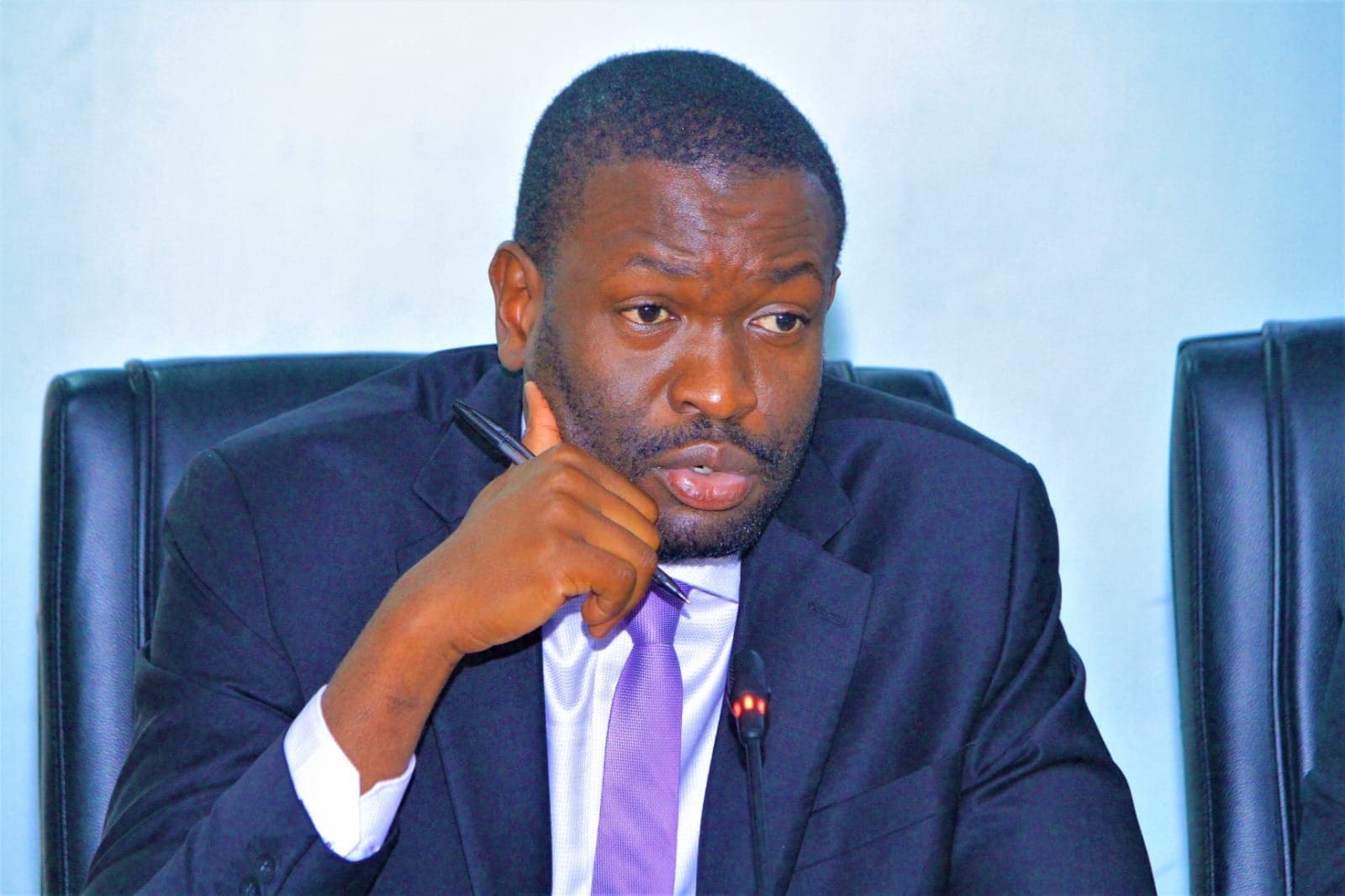
The absence of several high-ranking ODM legislators from today’s meeting exposes the deepening rift within the party. The faction led by Nairobi Senator Edwin Sifuna, Governor James Orengo, and other influential figures has explicitly boycotted the process, describing the meeting as a orchestrated public relations exercise. They maintain that the cooperation agreement expired three days ago and requires fresh, legitimate negotiation—or, as some suggest, a complete cessation of the partnership.
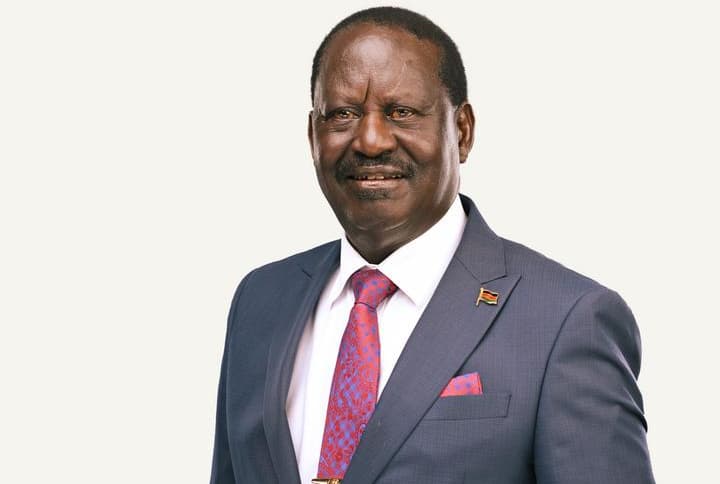
Oburu Oginga, acting as the primary interlocutor for the pro-cooperation wing of ODM, faces a delicate balancing act. As a seasoned political operator, he understands that the party’s future—and its influence in the next government—hinges on maintaining a functional relationship with the executive. Yet, he must contend with the grassroots sentiment that fears the party is losing its identity. His rhetoric in recent days has been conciliatory toward the president, focusing on the concept of "equal partnership" and a "win-win outcome," a narrative that stands in stark contrast to the defiance emanating from the Linda Mwananchi camp.
Behind the procedural debates over the 10-point agenda lies the inescapable reality of the 2027 General Election. The joint Parliamentary Group meeting is as much about setting the stage for the next poll as it is about current governance. For President Ruto, securing a working relationship with ODM is a strategic move to neutralize political volatility in the Nyanza region and ensure legislative efficiency in the National Assembly. For ODM, the stakes are existential.
Should the party fail to navigate these negotiations successfully, it risks splintering into a fractured entity, losing its traditional bastions to internal rivals or smaller, more agile regional movements. The pressure on Oburu to secure tangible "spoils"—appointments, development projects, and policy concessions—is immense. As the party prepares for a Special National Delegates Convention later this month, the outcome of today’s meeting will likely dictate the tone of the party’s primary contests and its eventual alliance strategy.
For the average Kenyan, the political maneuvering in the corridors of KICC feels increasingly removed from the realities of the daily struggle against the rising cost of living and the uneven recovery of the national economy. While political elites debate the validity of a one-year-old Memorandum of Understanding, citizens are looking for concrete improvements: lower prices for essential goods, reliable access to healthcare, and the consistent enforcement of constitutional rights. If the result of this high-level cooperation is mere legislative convenience rather than substantive reform, the skepticism currently fueling the Linda Mwananchi faction will likely permeate the broader electorate.
The joint meeting, while presented as a milestone for bipartisan collaboration, has ultimately highlighted that the stability of Kenya’s political system remains tethered to the whims of elite negotiation rather than the solid ground of institutionalized, issue-based politics. Whether this alliance yields lasting progress or merely delays the inevitable political realignment remains the central question for a nation watching the 2027 clock tick down.
Keep the conversation in one place—threads here stay linked to the story and in the forums.
Sign in to start a discussion
Start a conversation about this story and keep it linked here.
Other hot threads
E-sports and Gaming Community in Kenya
Active 9 months ago
The Role of Technology in Modern Agriculture (AgriTech)
Active 9 months ago
Popular Recreational Activities Across Counties
Active 9 months ago
Investing in Youth Sports Development Programs
Active 9 months ago
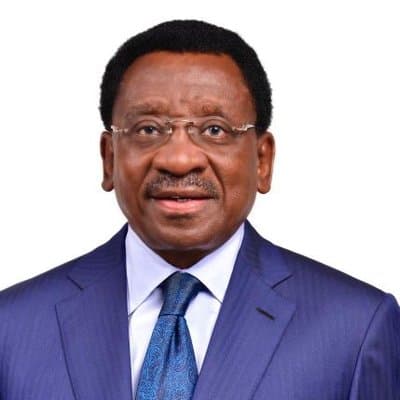
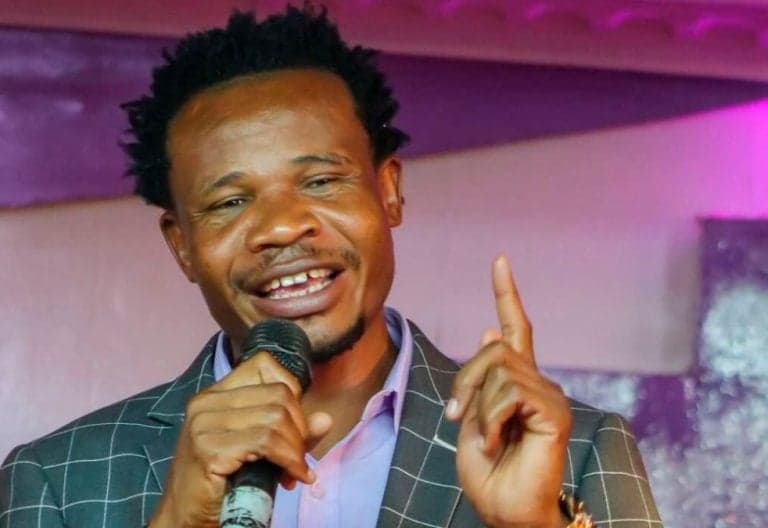
Key figures and persons of interest featured in this article