We're loading the full news article for you. This includes the article content, images, author information, and related articles.
More than three decades after a landmark inquiry promised reform, new data reveals a grim milestone in the incarceration of Aboriginal and Torres Strait Islander people.
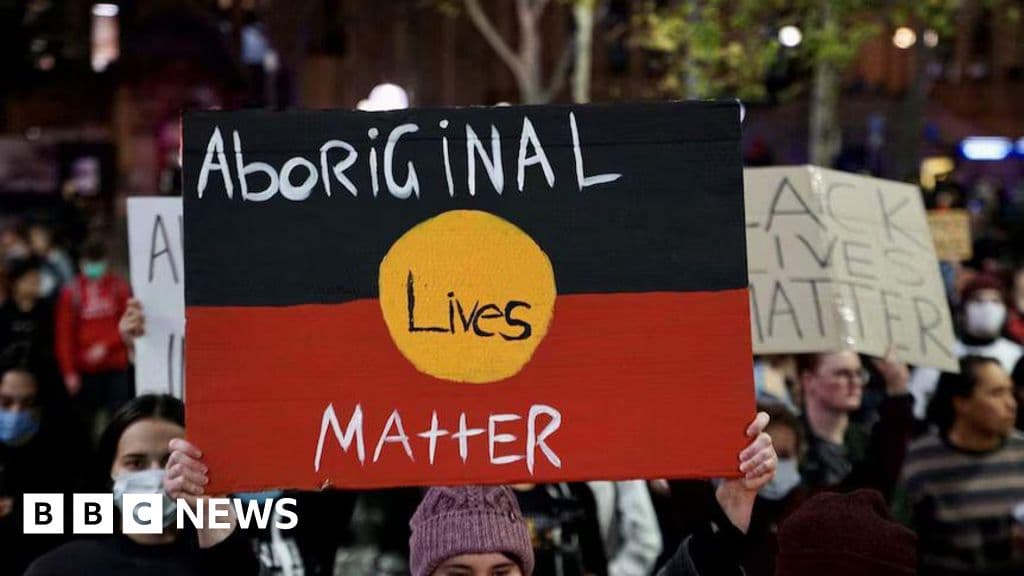
A grim record has been shattered in Australia, where the number of Indigenous people dying behind bars has surged to its highest level since 1980, exposing deep fractures in the nation’s justice system.
Data released today by the Australian Institute of Criminology paints a disturbing picture of a system in crisis. For Kenyan readers familiar with the struggle for police accountability—from the corridors of our own courts to the streets of Nairobi—the pattern is hauntingly recognizable: a marginalized community bearing the brunt of systemic enforcement failures.
The Institute revealed that 33 Indigenous Australians died in custody in the 12 months leading up to June this year. This figure represents a sharp escalation from the 24 deaths recorded in the previous period. These are not just statistics; they represent families left with unanswered questions more than 30 years after the Royal Commission into Aboriginal Deaths in Custody issued hundreds of recommendations intended to stop this very tragedy.
The report details a specific breakdown of where these lives were lost:
The disparity in the data is stark. While Aboriginal and Torres Strait Islander people make up less than four percent of Australia's total population, they constitute more than one-third of the country's prisoner cohort. This overrepresentation creates a cycle of incarceration that human rights advocates argue has become a national emergency.
In a finding that echoes global concerns regarding mental health in penal systems, the report categorized the primary cause of these deaths as "self-inflicted," followed closely by "natural causes." Hanging was identified as the cause in eight specific instances.
The sheer volume of these deaths challenges the narrative of progress. Despite decades of inquiries and political pledges, the safety of Indigenous people in custody remains perilous. As the data suggests, without a radical overhaul of how justice is administered to minority groups, the death toll is likely to continue its upward trajectory.
Keep the conversation in one place—threads here stay linked to the story and in the forums.
Sign in to start a discussion
Start a conversation about this story and keep it linked here.
Other hot threads
E-sports and Gaming Community in Kenya
Active 9 months ago
The Role of Technology in Modern Agriculture (AgriTech)
Active 9 months ago
Popular Recreational Activities Across Counties
Active 9 months ago
Investing in Youth Sports Development Programs
Active 9 months ago