We're loading the full news article for you. This includes the article content, images, author information, and related articles.
President admits police overwhelmed as military rolls into Western Cape and Gauteng.
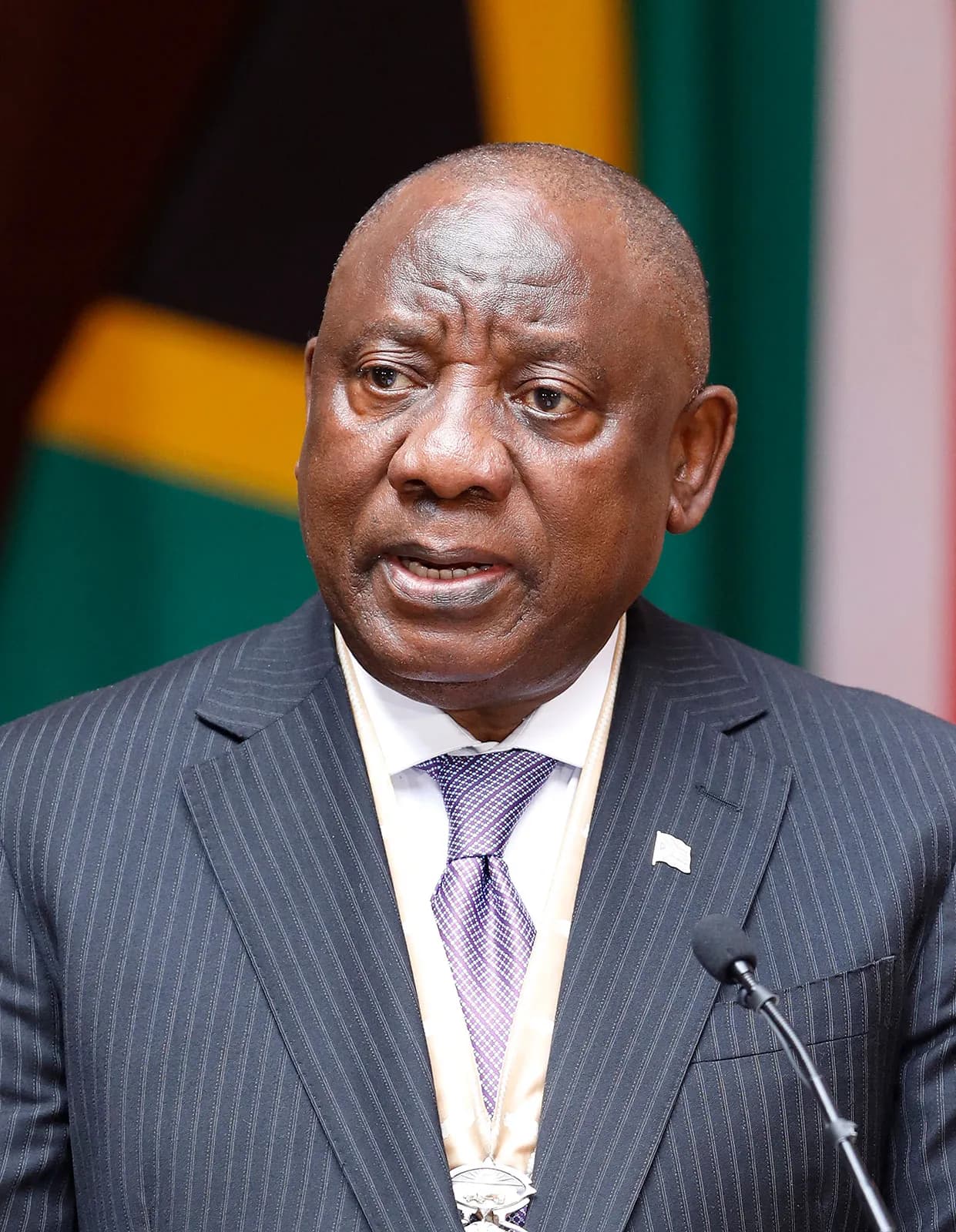
President Cyril Ramaphosa has declared war on South Africa’s criminal underworld, ordering the military to roll into the streets to confront the gangs that have turned parts of the nation into ungovernable warzones.
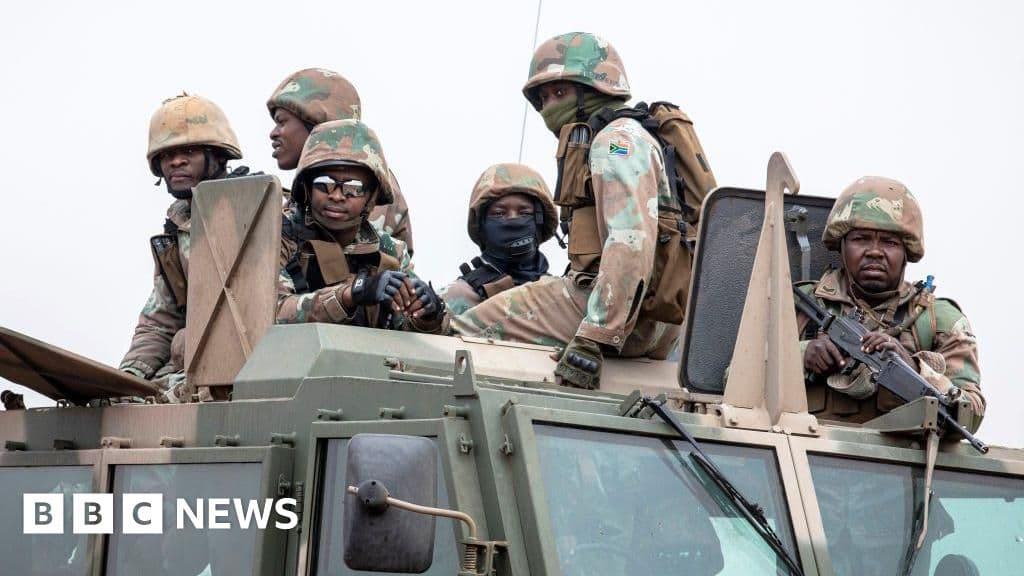
In a sombre State of the Nation Address, Ramaphosa admitted what many South Africans have feared for years: the police are overwhelmed. By invoking the deployment of the South African National Defence Force, the President has signaled that the threat posed by "construction mafias" and illegal mining syndicates is no longer a civil matter, but a direct threat to national security. The soldiers will not be in the barracks; they will be on the beat in the Western Cape and Gauteng.
The deployment focuses on two specific cancers eating away at the country’s stability. In the Western Cape, particularly on the Cape Flats, gang violence has spiraled out of control, with children frequently caught in the crossfire of turf wars that the local police have been powerless to stop. The military’s presence is intended to flood these zones with a force multiplier that the gangs cannot outgun.
In Gauteng, the economic heartland, the target is the "zama zamas"—heavily armed illegal miners who have taken over abandoned shafts and terrorized nearby communities. "These are not just miners; they are organized paramilitary units," Ramaphosa stated. "Organised crime is now the most immediate threat to our democracy, our society, and our economic development." The President’s directive is clear: reclaim the territory, dismantle the syndicates, and restore the rule of law.
Critics argue that deploying the army is a band-aid solution to a systemic rot within the South African Police Service. They point to previous deployments that quelled violence temporarily, only for it to flare up once the troops withdrew. However, the tone of this announcement suggests a more sustained engagement. The involvement of the military in domestic policing is a constitutionally grave step, reserved for when the civil authority is losing control.
The reaction on the ground has been mixed. In the gang-ravaged townships of Cape Town, residents are weary but hopeful that the sight of camouflage uniforms will bring a reprieve from the nightly gunfire. In the boardrooms of Johannesburg, business leaders are cautiously optimistic that the government is finally taking the "construction mafia"—who extort development projects—seriously.
South Africa stands at a precipice. The deployment of the SANDF is a roll of the dice by a President under pressure to show strength. If the army fails to stabilize the situation, the state will have played its last card. For the next few months, the streets of Cape Town and Johannesburg will be the frontline of a battle for the soul of the nation.
Keep the conversation in one place—threads here stay linked to the story and in the forums.
Sign in to start a discussion
Start a conversation about this story and keep it linked here.
Other hot threads
E-sports and Gaming Community in Kenya
Active 9 months ago
The Role of Technology in Modern Agriculture (AgriTech)
Active 9 months ago
Popular Recreational Activities Across Counties
Active 9 months ago
Investing in Youth Sports Development Programs
Active 9 months ago
Key figures and persons of interest featured in this article