We're loading the full news article for you. This includes the article content, images, author information, and related articles.
Conservationists have raised a global alarm over the explosive growth of pangolin trafficking networks, with Kenya, Uganda, and Nigeria emerging as critical hubs in this illicit transnational trade
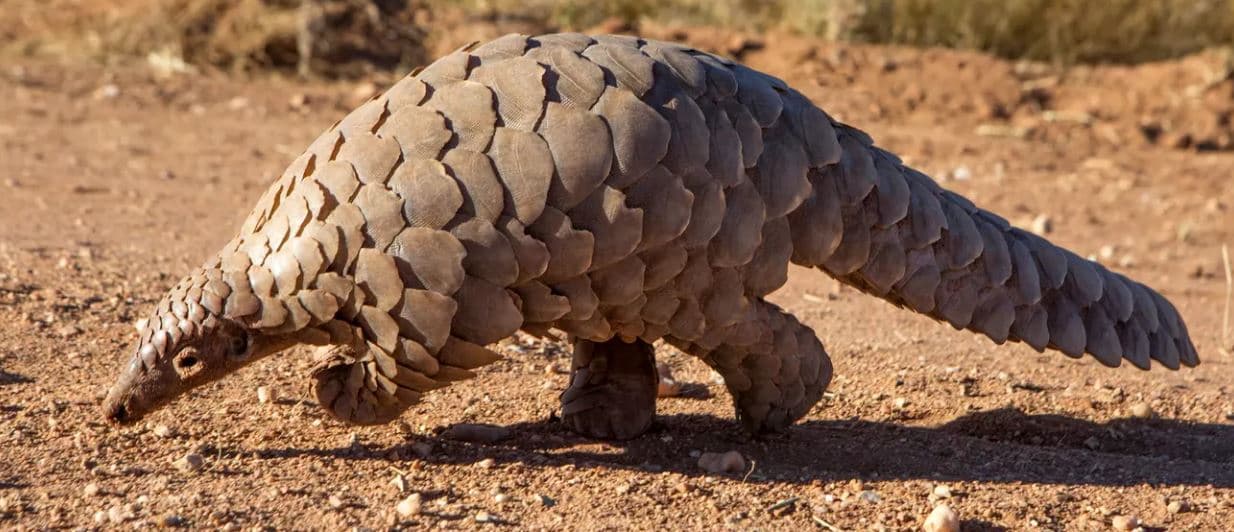
The quiet annihilation of the pangolin, the world's most trafficked mammal, has reached crisis levels across the African continent.
This escalating environmental crime not only threatens biodiversity but also fuels sophisticated transnational criminal syndicates that undermine the rule of law and national security within East Africa.
Recent reports have starkly identified Kenya, alongside Uganda, Cameroon, and Nigeria, as primary transit and poaching hubs for the illegal pangolin trade. Driven by an insatiable, unsubstantiated demand for their scales in traditional Asian medicine and their meat as a luxury delicacy, the slaughter is relentless. Seizures of multi-ton shipments of pangolin scales at major ports and borders reveal the terrifying scale and logistical sophistication of these trafficking networks.
The implications for Kenya are profound. The country's porous borders and expansive transport infrastructure are being actively exploited by cartels. These criminal enterprises operate with ruthless efficiency, often utilizing the same clandestine routes established for narcotics and human trafficking. The decimation of the pangolin population disrupts delicate ecological balances, as these creatures are vital for pest control, consuming millions of insects annually.
Conservationists and international law enforcement agencies are demanding immediate, draconian countermeasures. The current slap-on-the-wrist penalties are entirely insufficient to deter multi-million-dollar syndicates. A holistic approach is required, intertwining aggressive border security, advanced intelligence sharing, and the severe prosecution of high-level ringleaders, rather than low-level poachers.
At 15:30 EAT, discussions among wildlife authorities in Nairobi stress that protecting the pangolin is a litmus test for Kenya's commitment to global environmental stewardship. Failure is not an option when dealing with species extinction.
The time for passive conservation has long passed. The eradication of these trafficking networks requires the mobilization of military-grade resources and unwavering political will.
"We are the final generation with the power to save the pangolin; our inaction today guarantees their absence tomorrow."
Keep the conversation in one place—threads here stay linked to the story and in the forums.
Sign in to start a discussion
Start a conversation about this story and keep it linked here.
Other hot threads
E-sports and Gaming Community in Kenya
Active 9 months ago
The Role of Technology in Modern Agriculture (AgriTech)
Active 9 months ago
Popular Recreational Activities Across Counties
Active 9 months ago
Investing in Youth Sports Development Programs
Active 9 months ago