We're loading the full news article for you. This includes the article content, images, author information, and related articles.
Widows in western Kenya appeal for an end to the "Jaboya" system of sexual exploitation and the bureaucratic hurdles that deny them inheritance and pensions, calling for legal protection and dignity.
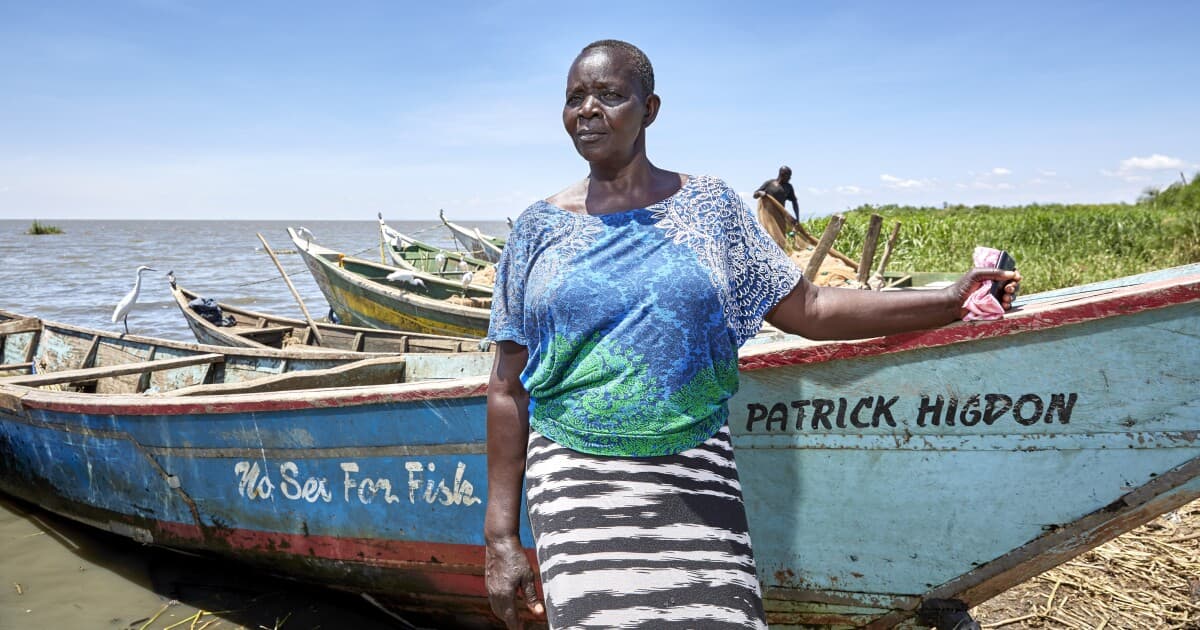
In a searing indictment of society’s treatment of its most vulnerable, widows in Siaya and across western Kenya have issued a desperate plea: stop demanding sex in exchange for fish, and stop stealing our inheritance in the name of culture.
The appeal, articulated through the Rona Foundation’s "Widows Charter," shines a spotlight on the dark underbelly of the Nyanza economy—the practice of "Jaboya," where widows are forced to offer sexual favors to fishermen just to secure stock for their market stalls. It is a form of economic coercion that amounts to sexual slavery, yet it persists in the open, sanctioned by silence and tradition. "Support us without sexual exploitation," they cried out, a simple demand for dignity that reveals the depth of their degradation.
Losing a husband in Kenya often means losing everything. The charter highlights how widows are systematically stripped of their property, evicted from their matrimonial homes, and branded as bad omens or "Chi Liel" (wife of the grave). This is not just culture; it is criminality masquerading as custom. The 2010 Constitution guarantees equal rights to land and inheritance, but in the villages of Rarieda and Bondo, the constitution is often overruled by the council of elders.
The bureaucratic violence is equally damaging. Widows face insurmountable hurdles in accessing their deceased husbands' pensions. Files disappear, bribes are demanded, and years pass while children drop out of school. The demand for the "elimination of delaying bureaucratic barriers" is a direct challenge to the government agencies that treat widows not as citizens, but as nuisances.
The Rona Foundation’s work in Siaya has documented over 8,000 cases of abuse. This is a crisis of human rights. The Governor of Siaya and the Ministry of Gender must move beyond platitudes. We need a county-level law that criminalizes widow dispossession and funds safe economic alternatives to the fish trade.
Until a widow can inherit her husband’s land without fear of violence, and trade in the market without selling her body, our claims of being a civilized society remain hollow. These women are not asking for pity; they are demanding the justice they are owed.
Keep the conversation in one place—threads here stay linked to the story and in the forums.
Sign in to start a discussion
Start a conversation about this story and keep it linked here.
Other hot threads
E-sports and Gaming Community in Kenya
Active 9 months ago
The Role of Technology in Modern Agriculture (AgriTech)
Active 9 months ago
Popular Recreational Activities Across Counties
Active 9 months ago
Investing in Youth Sports Development Programs
Active 9 months ago