We're loading the full news article for you. This includes the article content, images, author information, and related articles.
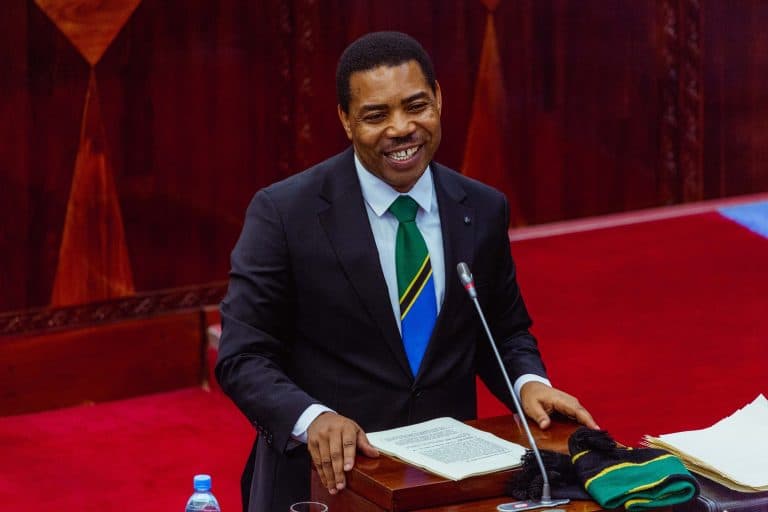
Prime Minister Mwigulu Nchemba and Deputy PM Doto Biteko issue a stern ultimatum to water authorities, classifying the 36.8 percent national water loss as an economic and security crisis requiring immediate intervention.

Prime Minister Mwigulu Nchemba and Deputy PM Doto Biteko issue a stern ultimatum to water authorities, classifying the 36.8 percent national water loss as an economic and security crisis requiring immediate intervention.
A staggering crisis of resource mismanagement has prompted the highest echelons of the Tanzanian government to issue an unprecedented directive. During the National Water Authorities Boards Meeting in Arusha, the administration declared outright war on the systemic inefficiencies crippling the national water supply.
Why is a bureaucratic reprimand dominating national headlines? Because the scale of the failure is catastrophic. The revelation that the country hemorrhages 36.8 percent of its water—equating to a financial hemorrhage of approximately KES 5.7 billion (114.12 billion TZS) annually—elevates the issue from a mere administrative hurdle to a severe threat to national health, agricultural stability, and economic sustainability.
Prime Minister Mwigulu Nchemba, alongside Deputy Prime Minister Dr. Doto Biteko, delivered a scathing assessment of the sector's performance. The financial toll of this non-revenue water loss is paralyzing. Funds that could be systematically reinvested to build expansive, modern water infrastructure are instead vanishing through decrepit pipelines, illegal diversions, and gross administrative negligence. The government's acceptable threshold for water loss stands at a maximum of 20 percent; current figures obliterate this benchmark, indicating profound structural decay.
Dr. Biteko explicitly highlighted regions where the catastrophe is most acute, noting failure rates surging to an apocalyptic 79 percent in areas like Rombo. When a municipality loses nearly eight out of every ten liters it pumps, the consequence is severe civilian deprivation. The Prime Minister categorized the protection of water sources as an absolute matter of national security. An uninterrupted water supply is the lifeblood of urban sanitation, rural agriculture, and industrial production. Permitting its unchecked loss is tantamount to economic sabotage.
The era of bureaucratic leniency has officially concluded. Prime Minister Nchemba issued a zero-tolerance mandate, stating that even a half-hour delay in delivering water where funds and machinery exist is utterly unacceptable. The administration has proactively equipped every regional zone with heavy drilling machinery, effectively stripping local authorities of the chronic excuse of logistical incapacity. Any region reporting artificial shortages must immediately deploy these state-provided assets or face severe disciplinary action.
Furthermore, the directive mandates that every critical public institution—encompassing primary schools, secondary institutions, and health dispensaries—must be guaranteed immediate access to water through expedited borehole drilling or connection to existing grids. The ripple effects of this mandate are profound: consistent water access in educational facilities drastically improves attendance and hygiene, while in healthcare centers, it is the fundamental baseline for infection control and patient survival.
Tanzania's aggressive confrontation of this crisis offers a critical case study for neighboring East African nations battling similar infrastructure demons, such as Kenya's struggles with non-revenue water in Nairobi's sprawling urban grid. To reverse the tide of loss, several urgent mechanisms are being operationalized:
The survival of the nation's economy is inextricably linked to the integrity of its pipelines. "Water has no substitute; to mishandle it is to gamble recklessly with the very existence of our citizens."
Keep the conversation in one place—threads here stay linked to the story and in the forums.
Sign in to start a discussion
Start a conversation about this story and keep it linked here.
Other hot threads
E-sports and Gaming Community in Kenya
Active 9 months ago
The Role of Technology in Modern Agriculture (AgriTech)
Active 9 months ago
Popular Recreational Activities Across Counties
Active 9 months ago
Investing in Youth Sports Development Programs
Active 9 months ago
Key figures and persons of interest featured in this article