We're loading the full news article for you. This includes the article content, images, author information, and related articles.
Wiper leader Kalonzo Musyoka condemns the arrests of Nairobi Hospital board chiefs, alleging executive overreach in private institutional governance.

The sterile silence of The Nairobi Hospital corridors, usually reserved for the quiet intensity of patient recovery, has been shattered by the clamor of political confrontation. The recent arrest of board chairman Dr. Job Obwaka and fellow directors has transformed a private institutional governance dispute into a national political flashpoint, drawing sharp condemnation from the highest echelons of the political opposition.
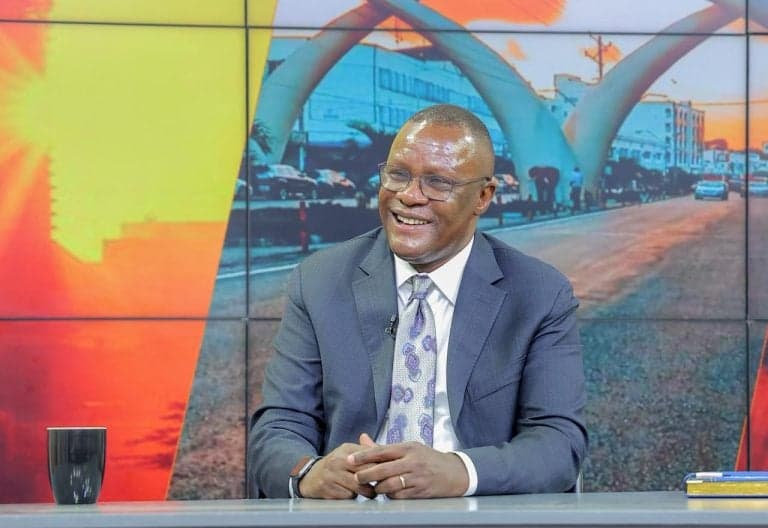
Wiper Patriotic Front Party leader Kalonzo Musyoka has publicly decried the development, characterizing the police action not as a pursuit of justice, but as a deliberate instrument of executive overreach. The incident, according to allegations leveled by Musyoka, stems from direct orders originating from the office of President William Ruto. This assertion, if substantiated, signals a troubling intersection between State House and the governance of private, member-owned healthcare institutions, raising urgent questions about the independence of corporate boards in Kenya.
The Nairobi Hospital, operated by the Kenya Hospital Association, occupies a singular position in the nation’s medical landscape. It is not merely a provider of healthcare but a cornerstone of East African medical infrastructure, handling specialized cases that dictate the standards for private medical care across the region. Consequently, stability within its boardroom is vital for maintaining the trust of both patients and investors.
For years, the institution has been plagued by a cycle of leadership instability, characterized by recurring battles between management and board members. The current arrests follow a period of intense internal friction, where allegations of financial mismanagement and operational inefficiency have repeatedly surfaced. Obwaka and his colleagues have found themselves at the center of these investigations, which are currently being handled by state investigative agencies.
The current state of affairs can be summarized by the following tensions:
Kalonzo Musyoka’s intervention elevates the dispute beyond a mere boardroom clash. By framing the arrests as a coordinated effort to dismantle independent oversight, the opposition seeks to highlight a broader pattern of state interference in the private sector. The argument posits that if the government can dictate the leadership of the nation’s premier private hospital, no institution—be it a bank, a media house, or a manufacturing firm—is truly insulated from political maneuvering.
Political analysts at the University of Nairobi suggest that this narrative serves a dual purpose. It allows the opposition to cultivate a base among the professional middle class, who are traditionally sensitive to issues of rule of law and corporate independence, while simultaneously undermining the legitimacy of the administration’s economic governance. However, the government has repeatedly denied these claims, asserting that investigative agencies act independently of the executive and that no individual is above the law, regardless of their position in the private sector.
The critical challenge now lies in separating legitimate regulatory oversight from political intimidation. The Nairobi Hospital serves a vast demographic, including government officials, the diplomatic corps, and the private sector elite. Any disruption in its leadership can have downstream effects on healthcare delivery, insurance premiums, and international partnerships. If the hospital is perceived as a pawn in a larger political game, the resultant uncertainty could jeopardize its ability to attract international medical experts and secure low-cost financing for infrastructure upgrades.
As the legal proceedings against Obwaka and the board members commence, the public remains the primary stakeholder. The resolution of this crisis will likely hinge on the transparency of the investigations. If the evidence presented in court is viewed as robust and impartial, the administration may weather the political storm. Conversely, if the proceedings appear selective or politically motivated, it will only deepen the divide between the state and the private sector, potentially triggering a wider crisis of investor confidence.
The courtroom remains the only venue where this conflict can be definitively mediated. Yet, until the judiciary renders a verdict, the halls of the Nairobi Hospital will continue to echo with the tremors of a battle fought far from the bedside, pitting the machinery of the state against the autonomy of the private boardroom. The ultimate question, which still lingers in the minds of the institution’s members, is whether the hospital can ever return to a state of quiet, professional governance, or if it is destined to remain a theater for the country’s high-stakes political dramas.
Keep the conversation in one place—threads here stay linked to the story and in the forums.
Sign in to start a discussion
Start a conversation about this story and keep it linked here.
Other hot threads
E-sports and Gaming Community in Kenya
Active 10 months ago
Popular Recreational Activities Across Counties
Active 10 months ago
The Role of Technology in Modern Agriculture (AgriTech)
Active 10 months ago
Investing in Youth Sports Development Programs
Active 10 months ago
Key figures and persons of interest featured in this article