We're loading the full news article for you. This includes the article content, images, author information, and related articles.
The 10-point reform agenda between UDA and ODM faces collapse as internal party rifts over implementation milestones threaten the broad-based government.

The uneasy alliance between the ruling United Democratic Alliance (UDA) and the opposition Orange Democratic Movement (ODM) stands at a precarious crossroads as internal factions clash over the implementation of their 10-point reform agenda. With a joint parliamentary group meeting looming, the core of this bipartisan cooperation, designed to stabilize the political landscape, faces its most significant test since its inception in March 2025.
This political friction matters because the 10-point agenda was never merely about policy—it was a critical mechanism for cooling a nation inflamed by youth-led protests and electoral grievances. The success or failure of this agreement determines whether Kenya will head into the 2027 General Election cycle with a semblance of bipartisan consensus or return to the volatility of winner-take-all political combat. At stake is the trust of millions of citizens who viewed the agenda as a vehicle for tangible institutional change.
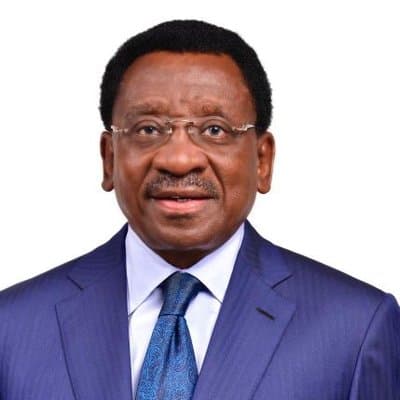
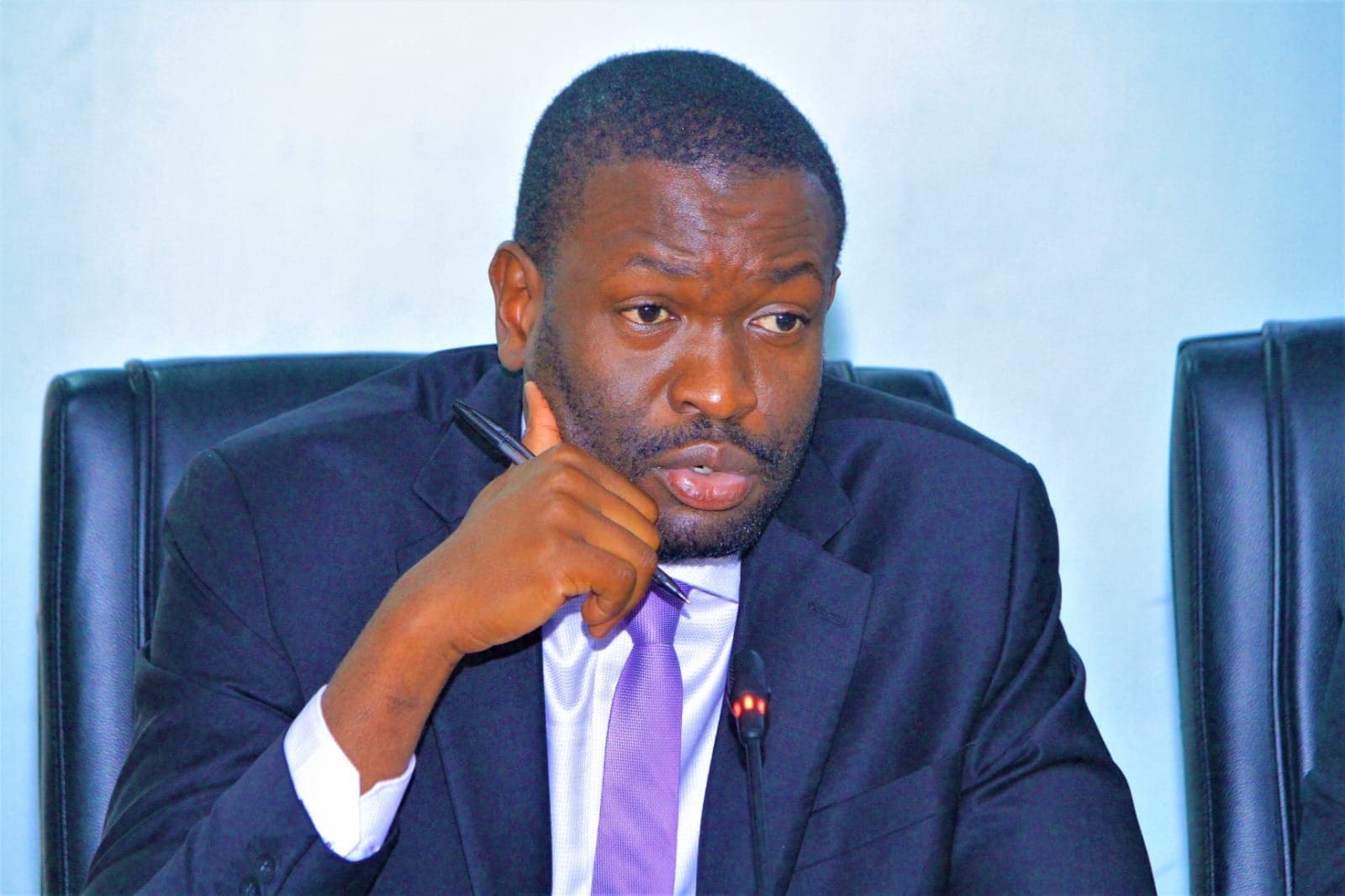
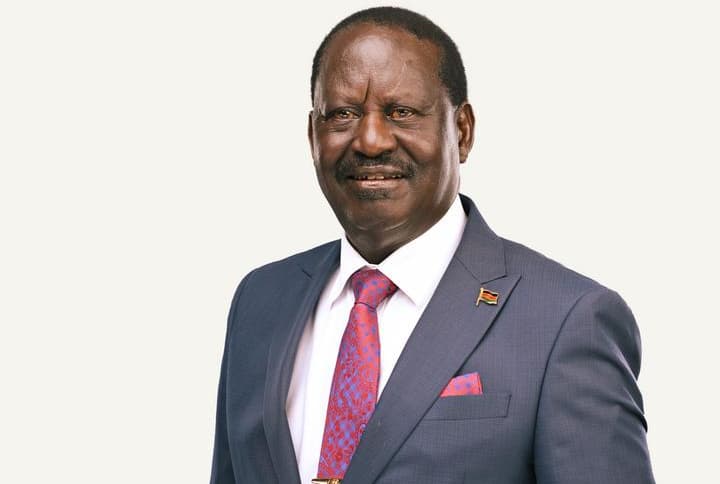
The 10-point agenda, birthed from the National Dialogue Committee (NADCO) recommendations, was championed by President William Ruto and the late ODM leader Raila Odinga. Its pillars—which include electoral commission restructuring, debt auditing, and ending extrajudicial killings—were meant to provide a roadmap for structural reform. However, nearly one year later, a vocal faction within ODM, led by Secretary-General Edwin Sifuna and Siaya Governor James Orengo, has labeled the cooperation a failure, citing a lack of quantifiable milestones and alleging the agenda has been hijacked by political brokers seeking cabinet positions rather than structural reforms.
In contrast, the pro-cooperation wing, bolstered by figures like Oburu Oginga, maintains that the reforms are a long-term process that cannot be confined to arbitrary deadlines. This schism has crystallized into a public confrontation, with the Linda Mwananchi movement declaring the agreement dead as of the March 7, 2026, anniversary. For these critics, the inability to produce a comprehensive status report is evidence of institutional lethargy.
The upcoming joint parliamentary meeting serves as a high-stakes effort to manage this fallout. Political analysts warn that the disagreement is not purely administrative but a maneuver to define the ideological battlegrounds for the 2027 elections. ODM is currently navigating a period of profound internal uncertainty, attempting to balance its historical role as a crusading opposition party with the pragmatic realities of its cooperation with the state. By distancing themselves from the agenda, factions like the Linda Mwananchi movement are positioning themselves as the "true" representatives of the disenfranchised, particularly the youth demographic that fueled the 2024–2025 protest movements.
Meanwhile, the government, through President Ruto’s administration, relies on this partnership to push through legislative reforms that require a supermajority. The absence of a unified ODM front jeopardizes this capacity. As the parliamentary group prepares to meet, the fundamental question remains: can the two sides agree on a renewed framework, or has the political utility of the agreement already been exhausted?
The ambiguity surrounding the implementation committee, chaired by Agnes Zani, further complicates the situation. Critics argue that the committee has operated behind closed doors, failing to provide the transparency demanded by the public. This lack of visibility has allowed the narrative of "political betrayal" to take hold among the opposition base. If the joint parliamentary meeting fails to produce a definitive, public-facing progress report that acknowledges specific gaps and sets enforceable targets, the UDA–ODM cooperation risks becoming a historical footnote rather than a catalyst for democratic renewal.
Ultimately, the citizens of Kenya are left waiting for substance in a sea of political maneuvering. Whether the 10-point agenda survives this week depends on the willingness of leadership to prioritize institutional integrity over tactical survival. The clock is ticking toward 2027, and the political actors involved have little room left for ambiguous promises.
Keep the conversation in one place—threads here stay linked to the story and in the forums.
Sign in to start a discussion
Start a conversation about this story and keep it linked here.
Other hot threads
E-sports and Gaming Community in Kenya
Active 9 months ago
The Role of Technology in Modern Agriculture (AgriTech)
Active 9 months ago
Popular Recreational Activities Across Counties
Active 9 months ago
Investing in Youth Sports Development Programs
Active 9 months ago
Key figures and persons of interest featured in this article