We're loading the full news article for you. This includes the article content, images, author information, and related articles.
Less than a week after a Washington handshake promised stability, the reality on the ground in South Kivu is a humanitarian catastrophe threatening regional security.

The ink had barely dried on the Washington peace accord before the sounds of artillery returned to the eastern Democratic Republic of Congo, forcing a staggering 200,000 civilians into the bush. The renewed violence, erupting just days after a high-profile diplomatic ceremony, has turned the promise of a ceasefire into a desperate scramble for survival along the shores of Lake Tanganyika.
This rapid escalation exposes the fragility of the diplomatic victory claimed by US President Donald Trump earlier this week. For Kenya and the wider East African Community (EAC), the renewed violence signals that the road to stability—critical for regional trade and security—remains perilously mined.
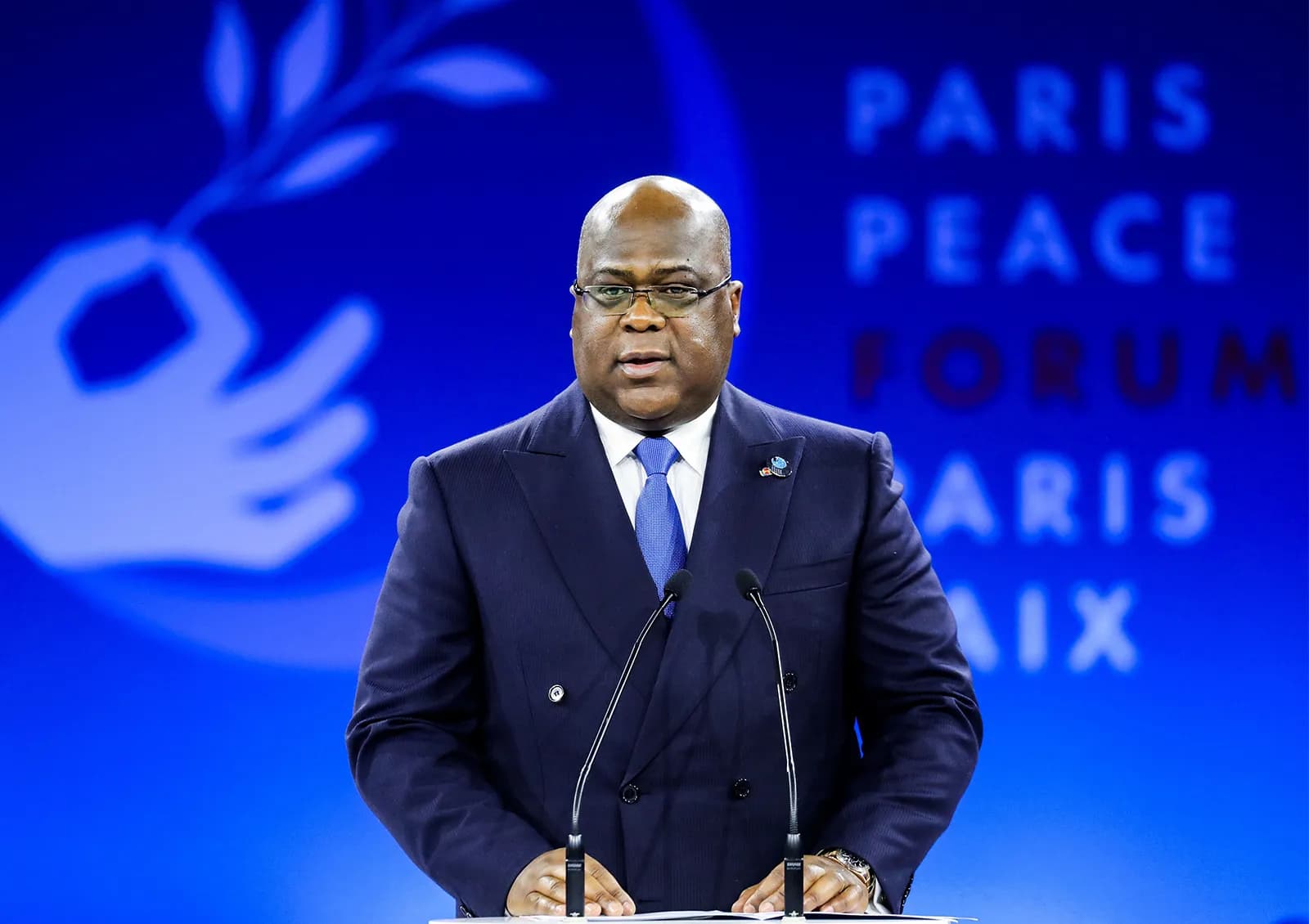
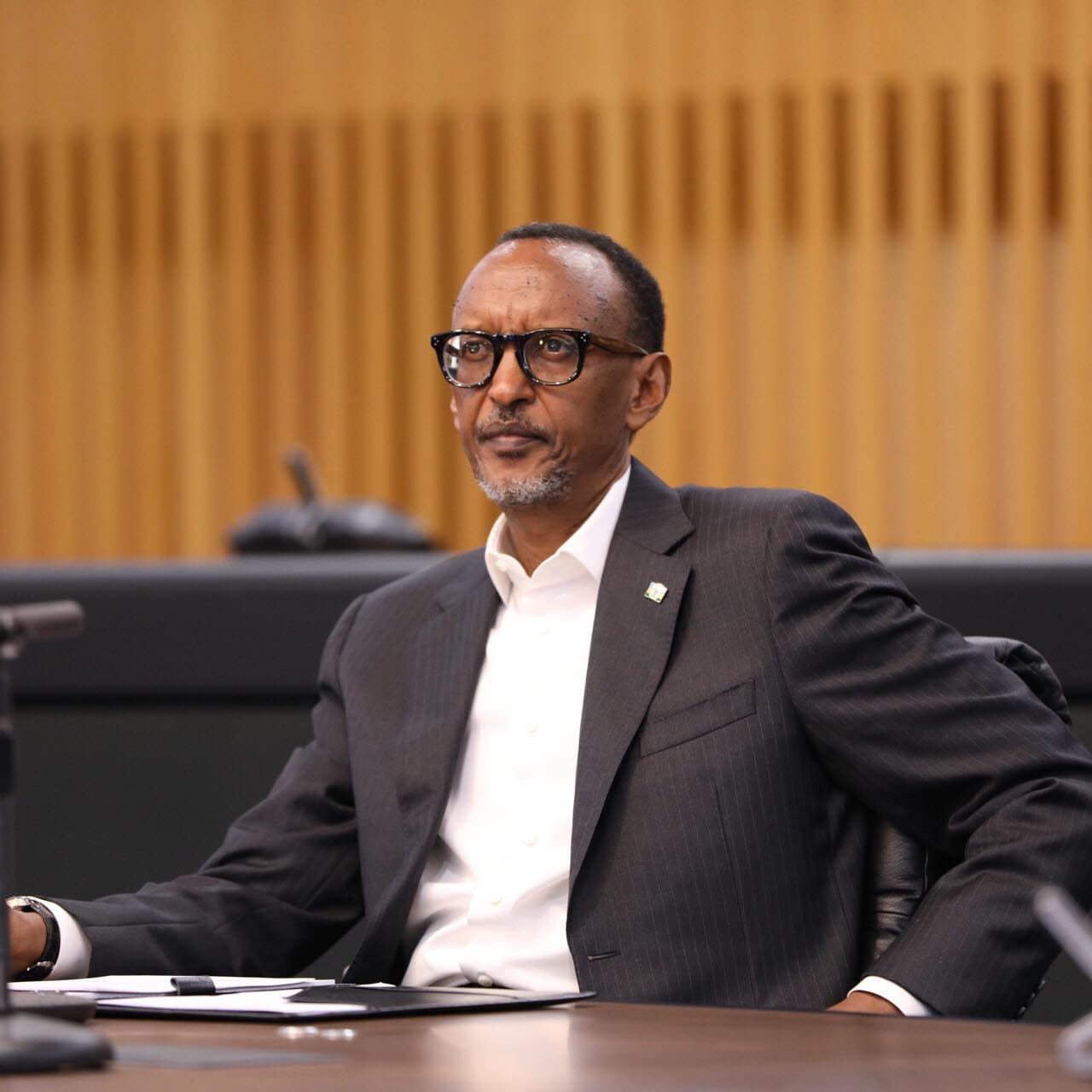
Only five days ago, on December 4, President Trump hosted Rwandan President Paul Kagame and Congolese President Félix Tshisekedi in Washington. The atmosphere was celebratory, with the US administration asserting they were “succeeding where so many others have failed” in ending a conflict that has bled the region for three decades.
However, the situation in South Kivu paints a starkly different picture. According to the United Nations, at least 74 people have been killed in the last 48 hours, with the majority being civilians caught in the crossfire. Another 83 victims have been admitted to overwhelmed local hospitals with severe wounds.
Local officials confirmed that M23 rebels, widely accused by Kinshasa and UN experts of being backed by Kigali, are aggressively advancing toward Uvira. This strategic lakeside town sits on the border with Burundi and serves as a vital commercial artery for the Great Lakes region.
The fighting has pitted the M23 insurgents against both the Congolese army (FARDC) and the ‘Wazalendo’—a loose coalition of local armed groups defending their villages. The chaos has triggered a massive displacement crisis that humanitarian agencies warn could spill over into neighboring countries.
The stakes in Uvira are exceptionally high for the region:
Corneille Nangaa, leader of the Alliance Fleuve Congo (AFC) rebel coalition, urged fleeing soldiers not to abandon Uvira, signaling that the insurgents are intent on seizing the town. Meanwhile, South Kivu provincial spokesperson Didier Kabi admitted that rumors of the rebel advance had caused "chaos" in the town, though he maintained that calm had been tentatively restored.
As smoke rises over South Kivu, the question in Nairobi and Kinshasa is no longer about the signing of treaties, but whether any piece of paper can silence guns that have defined a generation. For the 200,000 people currently sleeping in the open, the diplomatic success in Washington feels a world away.
Keep the conversation in one place—threads here stay linked to the story and in the forums.
Sign in to start a discussion
Start a conversation about this story and keep it linked here.
Other hot threads
E-sports and Gaming Community in Kenya
Active 9 months ago
The Role of Technology in Modern Agriculture (AgriTech)
Active 9 months ago
Popular Recreational Activities Across Counties
Active 9 months ago
Investing in Youth Sports Development Programs
Active 9 months ago
Key figures and persons of interest featured in this article