We're loading the complete profile of this person of interest including their biography, achievements, and contributions.
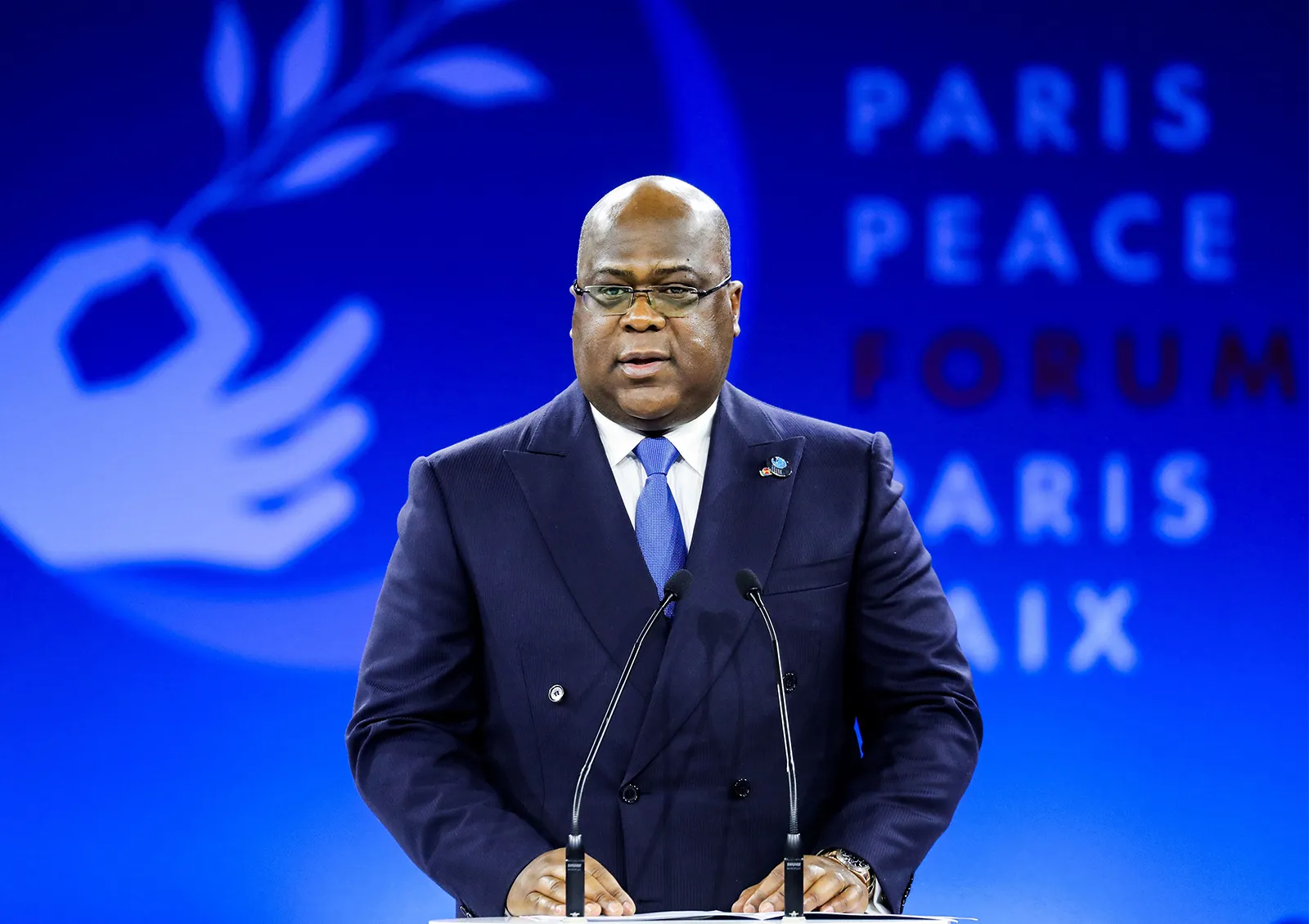
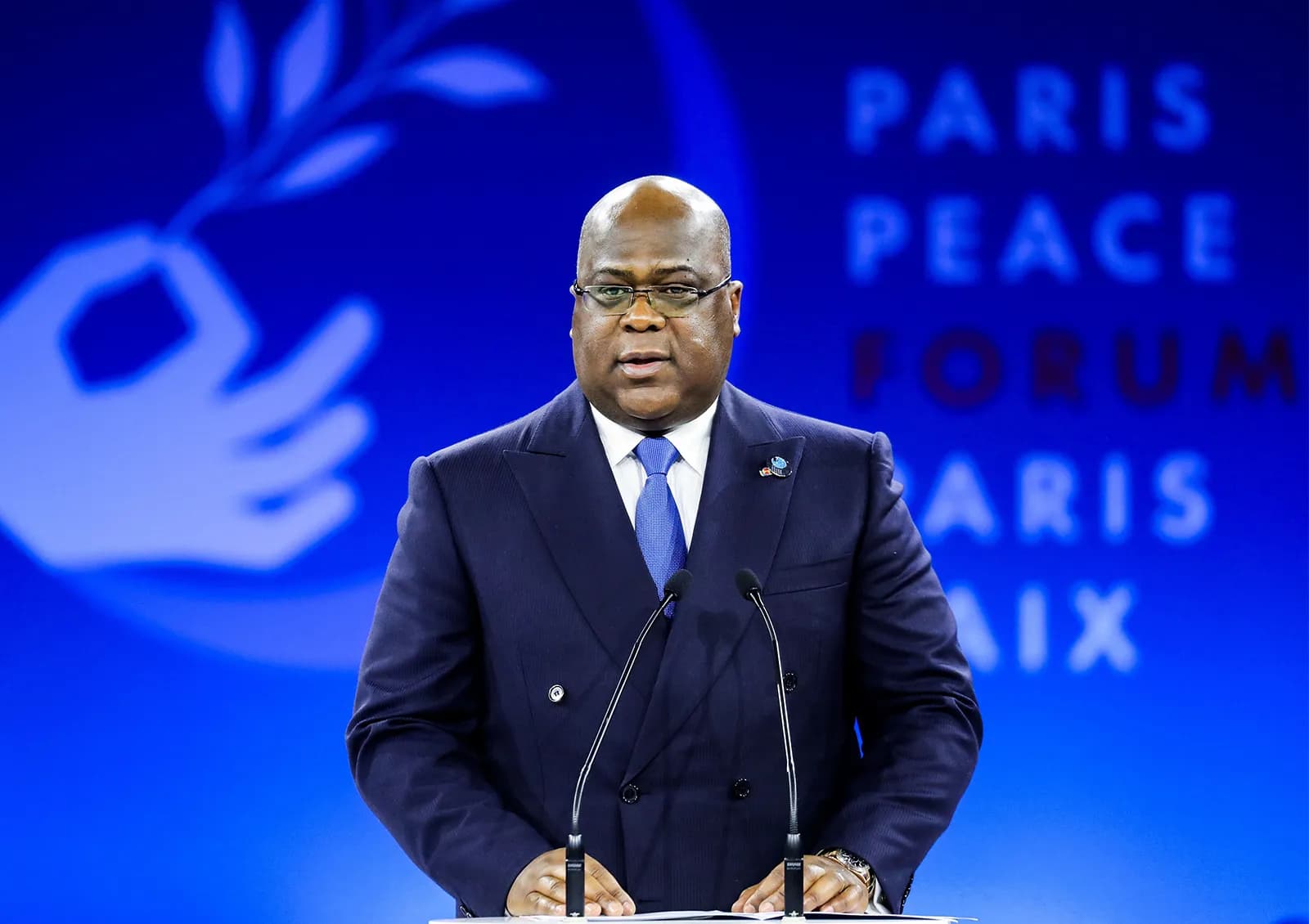
President of Democratic Republic of the Congo
Born
1963(63 yrs)
County
Kinshasa
Public Views
Experience
Documented career positions
Félix Antoine Tshisekedi Tshilombo (born 13 June 1963) is the President of the Democratic Republic of the Congo (DRC), in office since January 2019. The son of legendary opposition figure Étienne Tshisekedi, he rose through the Union for Democracy and Social Progress (UDPS)—the country’s historic opposition party—eventually becoming its leader and 2018 presidential candidate. His victory in the December 2018 election was upheld by the Constitutional Court after a legal challenge, and it produced the DRC’s first peaceful transfer of power since independence—though the result was widely disputed by rivals and some observer groups, with allegations of irregularities and claims of a political deal with the outgoing establishment. Tshisekedi won a second term after the December 2023 presidential vote, with the electoral commission announcing he secured more than 73% of ballots, amid strong opposition complaints about the conduct of the poll. His presidency has been dominated by the security emergency in eastern Congo—especially the resurgence of M23, which international reporting continues to describe as Rwanda-backed—alongside a parallel ambition to strengthen state authority and reform governance in the strategic mining economy.
First peaceful transfer of power since independence (2019): His inauguration followed the first non-violent handover of the presidency in the DRC’s post-1960 history.
Re-elected for a second term (2023): Declared winner with 73%+ in the December 2023 election, extending his mandate into a second term.
Repositioned national priorities around sovereignty in the East: Made the M23 crisis and territorial integrity a defining national agenda item of his presidency.
Disputed 2018 election: Rivals and some observers alleged irregularities; legal challenges were dismissed, but controversy has remained part of his political shadow.
Deal-making allegations: Persistent claims that his 2019 rise involved elite accommodation with the outgoing political order have continued to shape opposition narratives.
Contested 2023 election: Opposition groups criticized the process and credibility of the vote as the commission announced his landslide re-election.
Governance focus on strategic resources: Kept mining-sector governance and national benefit from minerals central to his policy messaging and state agenda.
Eastern Congo escalation under his watch: Reporting in late 2025 describes M23 entrenchment, civilian deaths, and massive displacement, fueling criticism of state capacity and regional diplomacy.