We're loading the full news article for you. This includes the article content, images, author information, and related articles.
Oil prices plunged in Asian trade after Trump claimed peace talks with Iran were progressing, a move that sparked market relief but left analysts skeptical.

Global energy markets plunged into a state of nervous volatility early Wednesday morning, as conflicting signals regarding a potential diplomatic breakthrough between the United States and Iran dominated investor sentiment. The sudden shift in oil prices, characterized by a sharp sell-off in Asian trading sessions, reflects the extreme sensitivity of global trade networks to the rhetoric emanating from the White House, even as officials in Tehran vehemently contest the narrative of an impending settlement.
The central tension lies in whether these developments represent a genuine de-escalation of the most significant geopolitical crisis of the decade or merely another instance of high-stakes market manipulation. For global citizens and policymakers in Nairobi alike, the implications are profound: any sustained movement in oil prices directly impacts the cost of living, transport infrastructure, and the inflationary trajectory of the Kenyan Shilling. As the world watches, the disconnect between diplomatic signaling and the realities on the ground in the Middle East has created an environment where uncertainty remains the only consistent market variable.
The immediate catalyst for the morning's market movement was a series of statements by United States President Donald Trump, who declared that negotiations to resolve the ongoing conflict with Iran were actively progressing. This assertion, delivered with the president's characteristic confidence, sent Brent crude prices tumbling by 6.6 percent to 97.56 USD (approximately 12,683 KES) per barrel. US-traded oil experienced a similarly aggressive contraction, dropping more than 5.5 percent to 87.20 USD (approximately 11,336 KES) per barrel.
Investors, fearing a prolonged interruption in supply due to the volatile situation in the Strait of Hormuz—a maritime chokepoint through which a significant portion of the world's oil passes—had spent the previous weeks pricing in a 'conflict premium.' When the prospect of peace emerged, that premium vanished overnight. However, the reliance on high-level political rhetoric to drive commodity prices has left market analysts questioning the sustainability of this downward trend, particularly given the lack of independent confirmation from Iranian representatives.
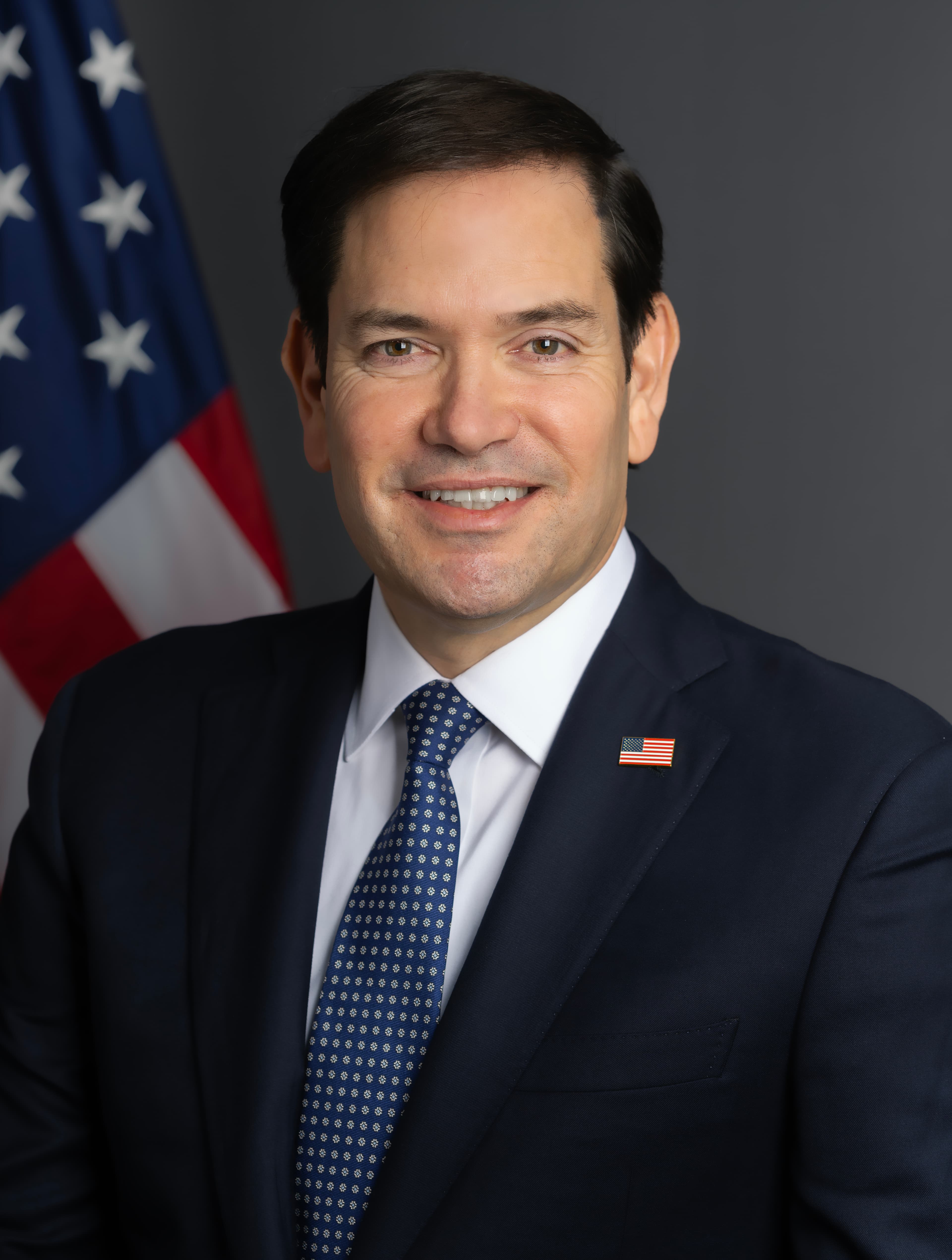
The divergence between the White House's messaging and the reality from Tehran is stark. While President Trump has signaled the involvement of Vice President JD Vance and Secretary of State Marco Rubio in a structured negotiation process, officials in the Iranian capital have publicly dismissed these claims as fabrications. This is not the first instance where the two nations have occupied entirely different realities regarding their diplomatic engagement, but the stakes this time include the direct exchange of military strikes.
Key details currently under independent verification include the nature of the reported 15-point peace plan. According to international reports, the proposal hinges on a complex quid-pro-quo arrangement. While the specifics are shielded by the opacity of back-channel diplomacy, the reported framework includes the following conditions:
For a reader in Nairobi, the headlines originating from Washington and Tehran are not distant geopolitical abstractions but immediate economic pressures. Kenya is a net oil importer, and its economy is acutely sensitive to fluctuations in the price of refined petroleum products. When global crude prices rise, the Energy and Petroleum Regulatory Authority (EPRA) is forced to adjust pump prices upward, creating a cascade effect that elevates the cost of public transport, manufacturing, and food logistics.
Economists at regional institutions note that while the current dip in oil prices appears beneficial for the Kenyan consumer, it masks the underlying risk of extreme volatility. A market that shifts 6 percent in a single trading session based on unverified diplomatic claims creates an unpredictable environment for the Central Bank of Kenya. Planning for fuel imports and managing foreign exchange reserves becomes significantly more complex when the underlying commodity price is tethered to the mercurial statements of foreign heads of state rather than structural supply-demand fundamentals.
History suggests that oil markets are notoriously reactive to promises of peace in the Middle East, yet rarely do such promises translate into long-term stability without extensive, verified diplomatic work. In previous decades, similar diplomatic overtures have resulted in 'dead cat bounces'—short-term market corrections that fail to address the systemic causes of the conflict. The danger today is that the market may be over-correcting, ignoring the reality that military strikes between Israel and Iran have not ceased.
The role of Vice President Vance and Secretary of State Rubio in these discussions signals that the White House is treating this as a top-tier national security priority. However, until there is a tangible document signed or a verifiable reduction in maritime hostilities, the current price slide may prove transient. For Kenya and other developing economies, the lesson remains clear: reliance on global commodity markets that are subject to the whims of political negotiation leaves them vulnerable to shocks that can wipe out months of economic gains.
As the diplomatic back-and-forth continues, the global energy sector waits for a definitive signal—either a solidified ceasefire or a resumption of full-scale conflict—that will determine the direction of oil prices for the remainder of the year. Until that clarity arrives, the markets will continue to oscillate between hope and apprehension, leaving businesses and consumers to navigate the uncertainty of a fractured global order.
Keep the conversation in one place—threads here stay linked to the story and in the forums.
Sign in to start a discussion
Start a conversation about this story and keep it linked here.
Other hot threads
E-sports and Gaming Community in Kenya
Active 10 months ago
The Role of Technology in Modern Agriculture (AgriTech)
Active 10 months ago
Popular Recreational Activities Across Counties
Active 10 months ago
Investing in Youth Sports Development Programs
Active 10 months ago
Key figures and persons of interest featured in this article