We're loading the full news article for you. This includes the article content, images, author information, and related articles.
Senator Oburu Oginga initiates high-stakes mediation to salvage the ODM National Delegates Conference amidst mounting threats of legal obstruction.

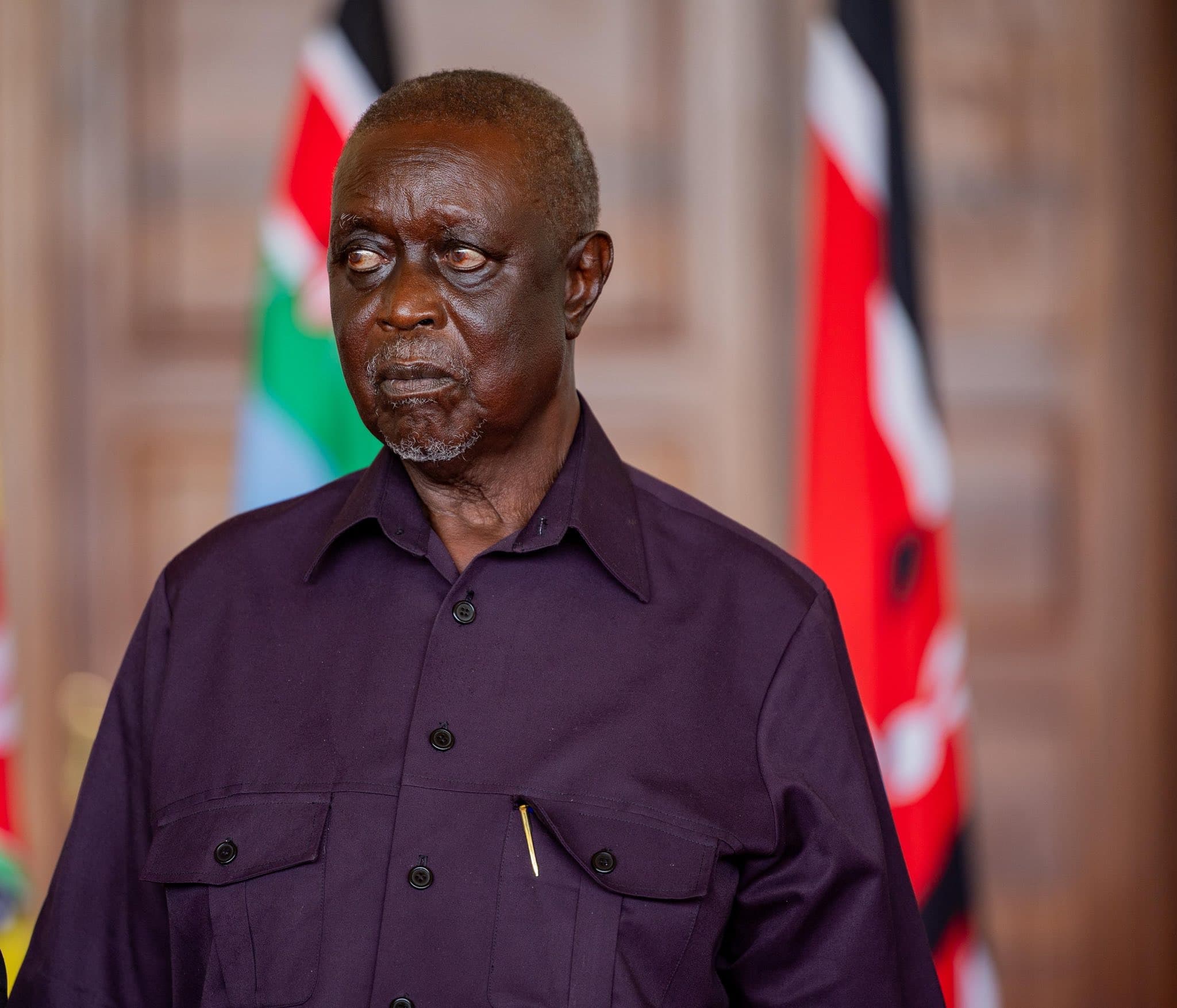
The Orange Democratic Movement (ODM) is staring into an existential abyss, with the party’s planned National Delegates Convention (NDC) on March 27, 2026, teetering on the edge of legal and political collapse. As Siaya Senator and party leader Dr. Oburu Oginga attempts to steer the outfit through a treacherous transition, he has been forced to resort to high-stakes mediation to counter a growing insurgency led by younger party cadres who view the current leadership trajectory as a betrayal of the movement’s foundational principles.
For the ODM, this is more than a mere internal dispute over procedure. It is a fundamental clash of visions that threatens to fracture the party that has historically served as the primary opposition vehicle in Kenyan politics. The stakes involve the party’s administrative control, its strategic cooperation with President William Ruto’s government, and the survival of the Oginga legacy in a post-Raila Odinga era. As dissent reaches a boiling point, Senator Oburu is now engaged in a desperate bid to reconcile the warring factions before the planned convention, which opponents are actively seeking to block through the Political Parties Disputes Tribunal.
The core of the conflict lies in the divergent paths proposed for the party’s future. One camp, led by the interim leadership under Oburu, advocates for a pragmatic "broad-based" engagement with the current administration, arguing that national stability and political relevance necessitate a seat at the table. They have aggressively pushed for the NDC as a vehicle to consolidate this position and formalize the current leadership structure.
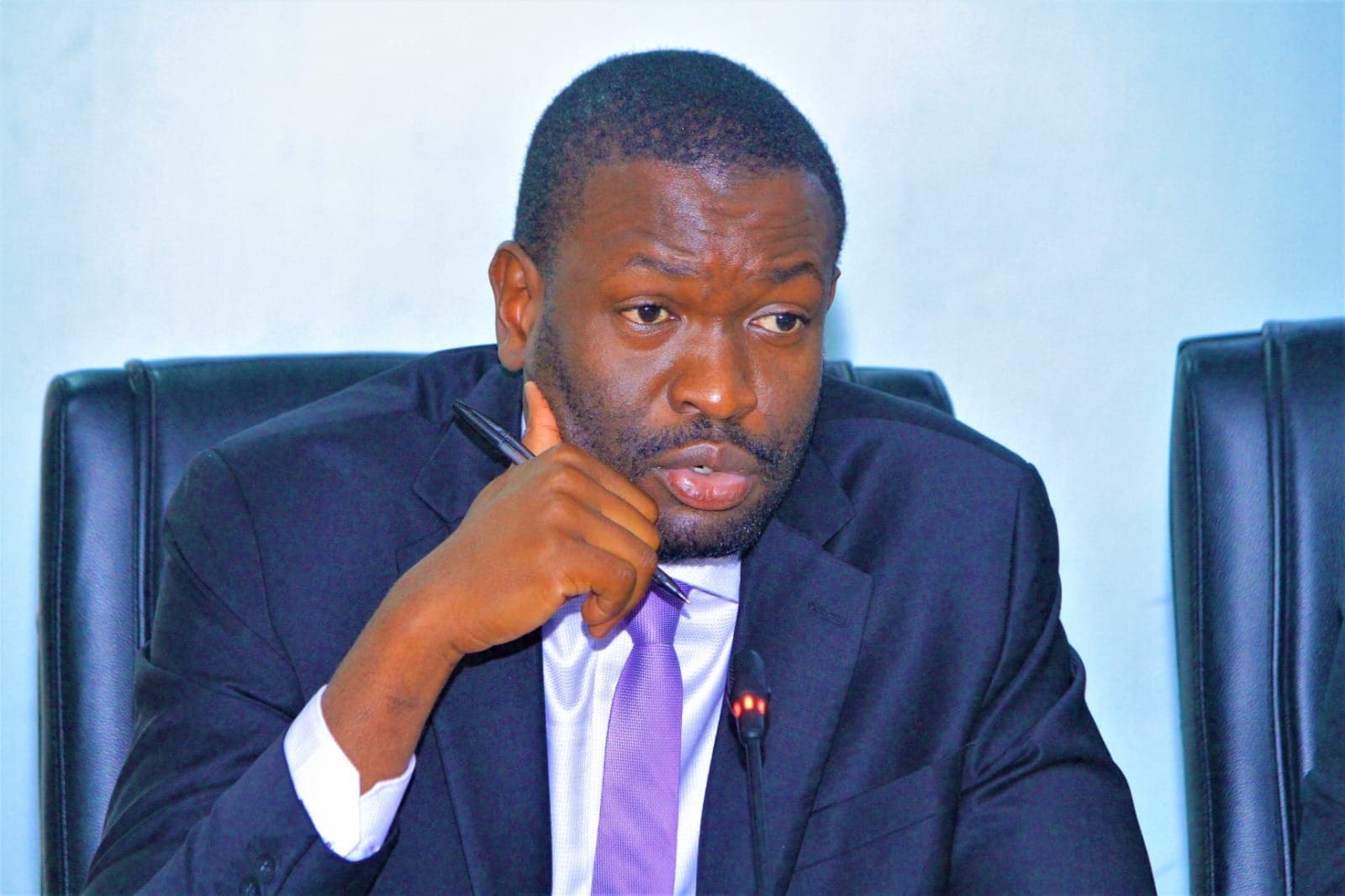
Conversely, the Linda Mwananchi faction, spearheaded by Nairobi Senator Edwin Sifuna and Embakasi East MP Babu Owino, views this rapprochement as a surrender of the opposition’s mandate. They argue that the party has lost its way, becoming a hollowed-out shell that prioritizes the self-preservation of an older guard over the aspirations of a disenchanted electorate. This faction has turned the party’s own constitutional processes into a battlefield, challenging the legitimacy of the NDC and demanding a transparent, grassroots-led election for national officials.
The tension has manifested in a series of administrative and legal skirmishes, including:
Senator Oburu Oginga has positioned himself as the ultimate arbiter, employing a style of diplomacy that relies on his status as the party’s elder statesman and his familial connection to the late Raila Odinga. Yet, this approach is meeting diminishing returns. In recent public appearances, including a notable visit to party headquarters earlier this week, Oburu attempted to project authority by publicly endorsing interim officials like Busia Women Representative Catherine Omanyo. However, his efforts to bypass the internal friction have only served to galvanize his opponents, who view such unilateral endorsements as evidence of a top-down leadership style that ignores the party’s rank-and-file.
Political analysts note that Oburu is operating under a unique set of pressures. He must contend with the "Gen Z" wave of activists who have redefined the protest landscape in Kenya, and who have found common cause with the dissenting ODM MPs. When leaders like the Vihiga Senator Godfrey Osotsi align with the Linda Mwananchi movement to participate in planned protest anniversaries, they signal that the party’s internal divide is increasingly leaking into the wider national political arena. For Oburu, the mediation process is not just about keeping the party together it is about preventing the ODM from becoming irrelevant in the face of a youth-driven political realignment.
The paralysis within the ODM hierarchy is having immediate economic and logistical implications for the party. As resources are diverted to legal fees and internal campaigning, the party’s ability to fund its grassroots initiatives has dwindled. The reliance on application fees to sustain operations has drawn accusations of commercializing the party’s internal democracy. Furthermore, the confusion over meeting schedules—exemplified by the back-and-forth concerning the grassroots delegates’ elections—creates an environment of uncertainty that discourages potential party financiers and frustrates dedicated members.
The decision to postpone county-level elections in regions like Migori at the eleventh hour has left local delegates in limbo. This indicates a party that is not merely debating its future but is actively struggling to maintain the functional machinery of a political organization. If the March 27 NDC is successfully blocked or descends into chaos, the ODM risks facing a legitimacy crisis that could lead to a wholesale exodus of its parliamentary members, many of whom are already hedging their bets against a 2027 General Election that promises to be the most fragmented in recent history.
Ultimately, Senator Oburu faces the unenviable task of trying to maintain a facade of unity while the foundation cracks. His mediation efforts are the final barrier against a complete structural collapse. Whether he succeeds or fails will determine not just the fate of the ODM, but the trajectory of the opposition in a Kenya that is rapidly evolving beyond the traditional political hierarchies of the past.
Keep the conversation in one place—threads here stay linked to the story and in the forums.
Sign in to start a discussion
Start a conversation about this story and keep it linked here.
Other hot threads
E-sports and Gaming Community in Kenya
Active 9 months ago
The Role of Technology in Modern Agriculture (AgriTech)
Active 9 months ago
Popular Recreational Activities Across Counties
Active 9 months ago
Investing in Youth Sports Development Programs
Active 9 months ago
Key figures and persons of interest featured in this article